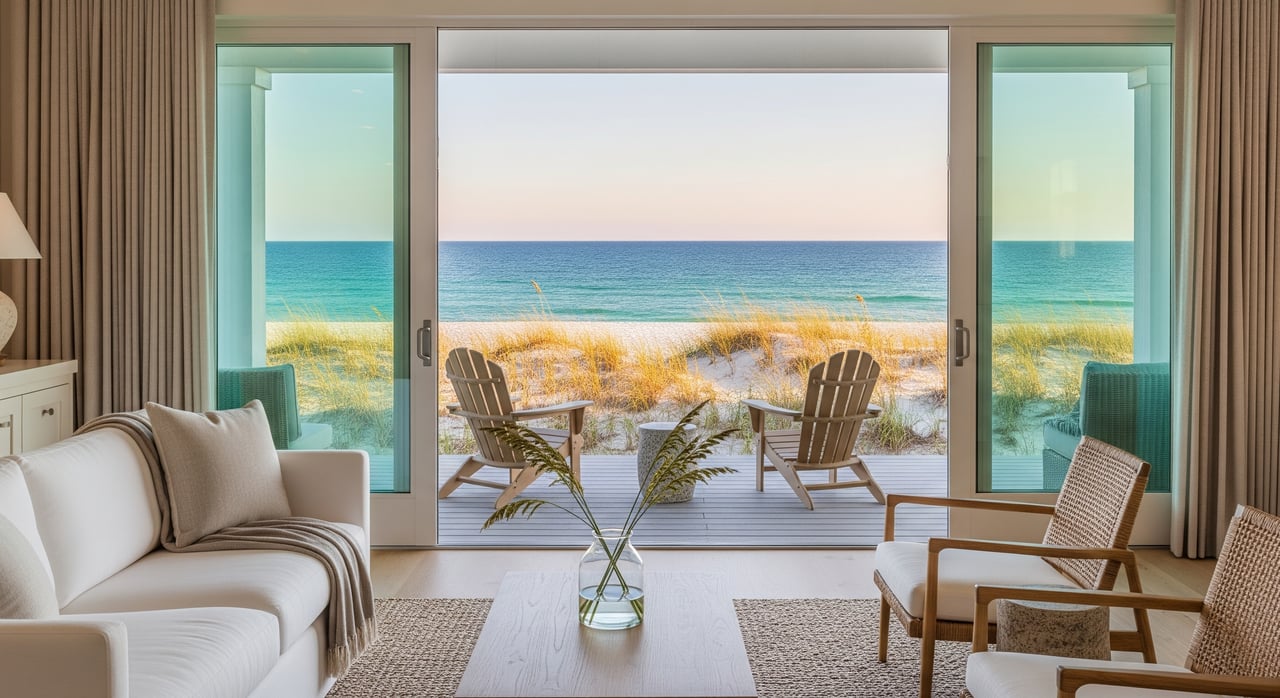
Cinnamon Beach Short-Term Rental Rules for Owners
December 25, 2025
December 25, 2025
Thinking about turning your Cinnamon Beach home into a short-term rental? You’re not alone. With steady demand from snowbirds and summer vacationers, the 32137 area can be a strong market when you set things up right. In this guide, you’ll learn the essential legal steps, how to model income, day-to-day operations, hurricane readiness, and how to keep great standing with your HOA and neighbors. Let’s dive in.
If you own a condo or home in Cinnamon Beach and want to rent it for stays under 30 days, this guide is for you. You’ll find the key steps to get compliant, build a realistic budget, and create a smooth guest experience that protects your property and reputation.
Getting the legal and tax pieces right is the foundation for your rental. Start here before you publish a listing or accept bookings.
Cinnamon Beach is a private resort community with its own governing documents. Verify your HOA’s rental policy and follow it exactly. Common requirements include:
Ask your association for current CC&Rs, bylaws, and rental policies. Get written confirmation if anything is unclear.
Short-term rentals in Florida are subject to state sales tax of 6 percent. If you collect rent, you generally must register with the Florida Department of Revenue to collect and remit taxes and file returns. Keep records of rental dates, amounts collected, and tax remittances.
In addition to state sales tax, Flagler County may levy a tourist development tax on short-term stays. Confirm current rates, filing steps, and any county-level registration or inspections. If your property sits within the City of Palm Coast, verify whether the city requires a business tax receipt or has noise, parking, or vacation rental rules that affect you.
When in doubt, contact the county or city business services and code enforcement offices to confirm what applies to your specific address in 32137.
Create a simple system to store guest names, stay dates, payments, taxes collected, agreements, and deposits. Good records support tax filings, HOA inquiries, and any insurance claims.
Many homeowner or condo policies limit or exclude short-term rental use. Talk to your insurer about a policy that covers:
If your home is in a FEMA flood zone, standard homeowner policies do not cover flood. Ask your lender and insurer about flood insurance requirements and options.
A clear budget helps you price correctly and avoid surprises. Use conservative assumptions and revisit your plan each season.
Cinnamon Beach follows coastal Florida demand patterns:
Your revenue depends on property type, location, amenities, and timing. Use recent comps from local managers or STR analytics tools to gauge occupancy and nightly rates. Include weekend and holiday uplifts when appropriate. Add reasonable fees that comply with HOA rules, such as cleaning or pet fees.
List every expense category so you’re not caught off guard:
Budget for furnishings, appliance replacements, deep cleans, and upgrades that boost bookings, such as smart locks, high-speed Wi‑Fi, or pool heating. In coastal Florida, consider hurricane hardening like shutters or impact glass.
Reliable systems reduce stress, keep guests happy, and protect your standing with the community.
Match your minimum-night settings to HOA requirements and your cleaning capacity. During peak weeks, a longer minimum stay can reduce wear and turnover costs. In shoulder seasons, shorter stays may help fill gaps.
Most owners start with major platforms and add a direct-booking option as they grow. A channel manager can sync calendars and prevent double bookings. Use a single master calendar and block out maintenance days in advance.
Dynamic pricing tools or seasonal rate tables help you adjust for weekends, holidays, school breaks, and local events. Review your rates weekly during peak seasons and biweekly in shoulder seasons. Always align your pricing with HOA capacity and community rules.
Set expectations before guests arrive:
Screen for fit by confirming the purpose of the stay, the number of guests, and acknowledgment of rules. This protects your home and the community.
Create a cleaning and inspection checklist that covers:
Share your standards with vendors and set service level expectations for response times.
Install a smart lock or keypad and change codes per guest. Provide two backup access options for emergencies. If you use doorbell cameras or exterior security devices, confirm they are allowed and disclose them in your listing and house manual.
In coastal Florida, preparation protects your guests, property, and income.
Confirm that your policy covers short-term rental activity, guest liability, contents, and loss of income. Ask your insurer about coverage during named storms. If you are in a flood zone, discuss flood insurance options.
Equip the home with:
Add safety notes and emergency contacts in your house manual.
Set a clear cancellation and rebooking policy for storm warnings and mandatory evacuations. Encourage guests to purchase travel insurance during hurricane season. Explain how you handle refunds or credits based on official advisories.
Have a storm plan with your manager and vendors:
Leave evacuation zone information and local emergency numbers in your welcome book.
Good community relations protect your ability to rent long term.
Place your rules in the listing, the booking confirmation, and the house manual. Focus on:
If guest registration or passes are required, complete them before arrival. Share community expectations with guests and provide a local contact who can respond quickly to any concerns.
Ask guests to respect neighbors and common areas. After checkout, send a friendly review request and address any issues promptly. Consistent, respectful operations lead to stronger ratings and fewer complaints.
Use these checkpoints to validate details for your specific property in 32137:
If you want a second set of eyes on rental potential or you’re weighing rent versus sell, we can help you evaluate the numbers and timing.
Ready to position your Cinnamon Beach property for success? Reach out to Goodman Group Luxury Real Estate for local guidance on regulations, pricing, and vendor referrals tailored to 32137.
Goodman Group Luxury Real Estate
Stay up to date on the latest real estate trends.


My goal is to not only meet but exceed expectations, ensuring that each real estate journey is as rewarding and stress-free as possible. I am dedicated to providing top-notch service that goes above and beyond. Get in touch today to experience a seamless and fulfilling real estate journey.
4440 N Ocean Shore Blvd, Suite 101 Palm Coast, FL 32137