Palm Coast Luxury Home Pricing in Coastal Communities
February 12, 2026
February 12, 2026
Thinking about listing your Palm Coast oceanfront or Intracoastal home? Getting the price right sets the tone for everything that follows. You want a number that reflects your property’s uniqueness without sitting on the market. In this guide, you’ll learn how luxury pricing works in Palm Coast’s coastal communities, what serious buyers value, and how to prepare so you can justify your price with confidence. Let’s dive in.
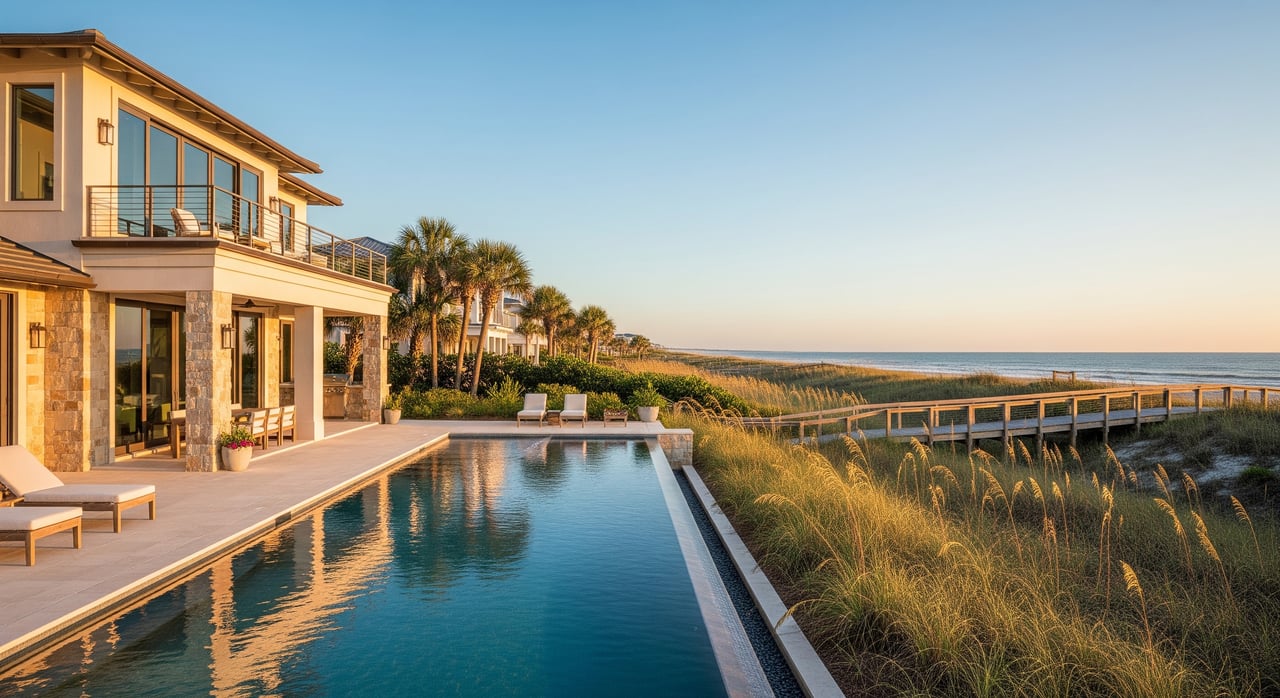
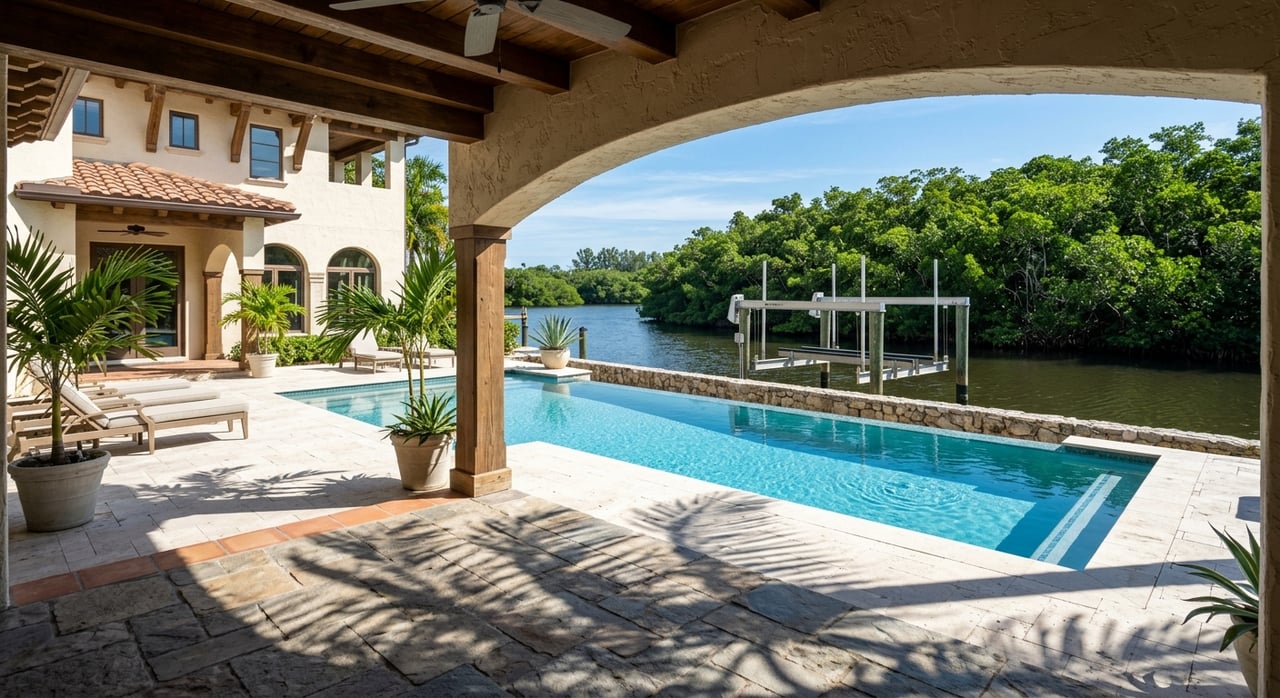
In Palm Coast, location and view do the heavy lifting. Direct oceanfront with private beach access typically sits at the top of the market, followed by Intracoastal homes with deep-water docks, then near-ocean and canal or lagoon properties. Within each category, the quality and permanence of the view matter. Unobstructed panoramic water views and wide, accessible beaches command stronger interest than partial or obstructed views.
Micro-location within the community also affects price. Gated oceanfront and resort neighborhoods, or ICW properties on navigable stretches with private docks, tend to trade above non-waterfront locations with similar interiors.
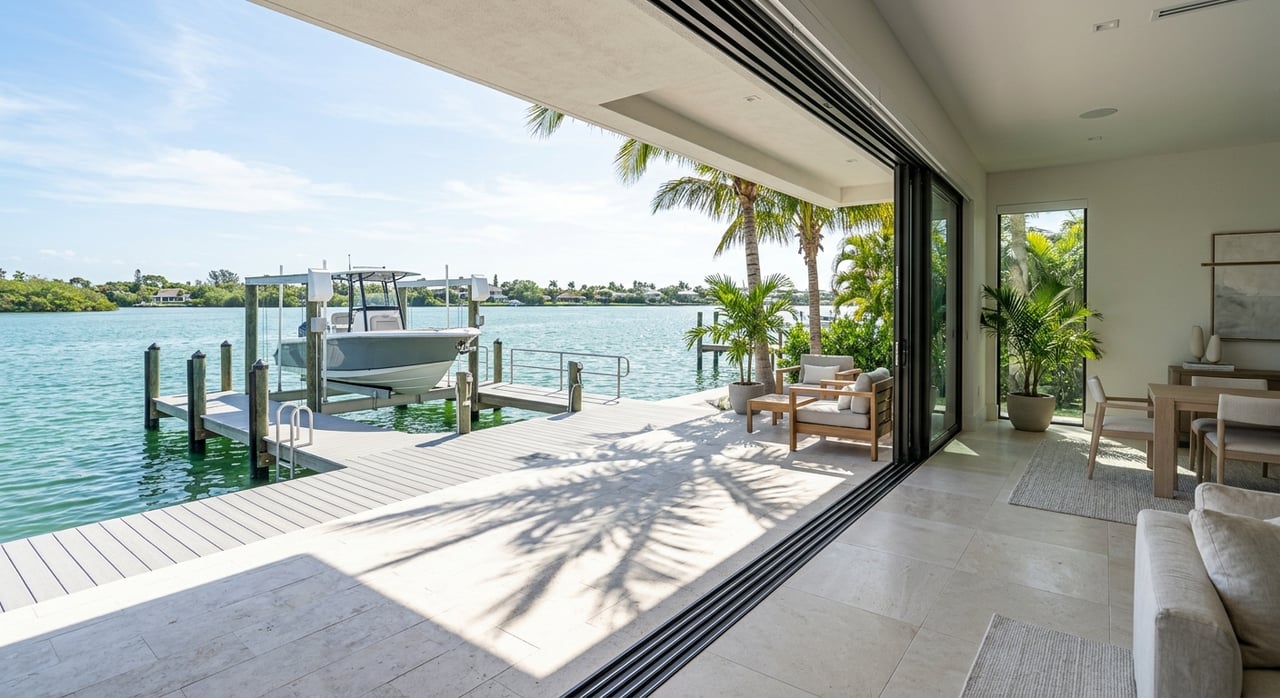
Lot size, orientation, and dune structure influence how a home lives and what buyers will pay. For water lovers, dock and mooring capability add meaningful value. Deep-water access, bridge clearance, and channel depth are common diligence items. If the property has a seawall or bulkhead, buyers will look for its condition and permitting history. The need for near-term seawall work can pull offers down unless you address it upfront.
Luxury buyers expect turnkey. Recent system upgrades, high-quality finishes, hurricane-rated windows and doors, and resilience features like elevation or flood vents help your price hold. Architectural uniqueness, guest suites, outdoor living spaces, and smart-home systems add appeal, though they can complicate comparable sales. Documenting costs and permits for custom features helps support value.
Access to private club, golf, marina, or resort amenities can support stronger pricing. The flip side is a narrower buyer pool if monthly fees are high or memberships are mandatory. Clear, well-presented information about what’s included, transferability, and current fees improves buyer confidence and keeps your price story intact.
Ongoing dues and any pending special assessments affect both affordability and perceived risk. Be ready with association documents, fee schedules, reserve status, and any known projects such as dredging, seawall maintenance, or clubhouse updates. Surprises here tend to show up as price reductions or longer days on market.
Coastal Florida insurance has been evolving. Buyers and lenders pay close attention to wind mitigation, roof age, elevation, flood zone, and claims history. FEMA’s Risk Rating 2.0 shifted flood pricing toward property-specific risk, which can raise premiums for some coastal homes. Private flood insurance options exist but can be selective for high-value properties. A wind mitigation inspection, roof certification, elevation or flood certificate, and current insurance quotes help defend your price during negotiations.
Palm Coast’s luxury segment is a niche market with a smaller buyer pool. Listings can take longer to sell than entry-level homes. When similar recent sales are scarce, appraisers and buyers put more weight on waterfront category, lot scarcity, and replacement cost. Setting a price that matches current supply and demand is essential.
Expect a mix of cash and jumbo financing. Appraisals on unique homes can be challenging since many custom features do not have direct MLS comps. A strong valuation narrative with curated comps, cost summaries, and property-specific documentation helps bridge gaps and keep deals moving.
Start with your most relevant pool: recent sold oceanfront or Intracoastal homes in the same or closely comparable communities. If there are not enough sales in the last 12 to 24 months, expand to nearby coastal neighborhoods with similar amenities, then consider older sales with thoughtful time adjustments based on market direction.
Price per square foot is a guide, not a rule. Waterfront type, dock and water depth, view quality, lot size and privacy, and major system upgrades often outweigh simple size metrics. For example, a smaller direct oceanfront home can justify a higher per-foot price than a larger inland property because the land and view set the ceiling.
Common adjustments include:
Because premiums vary by micro-location and buyer demand, validate any pricing assumptions with local MLS sold data, Flagler County property records, and input from a coastal-experienced appraiser and insurance broker.
You set stronger pricing expectations when your documentation is airtight. Assemble:
Consider pre-listing inspections for structure, termite, pool, and mechanical systems. Address visible items that luxury buyers notice, such as exterior paint, landscaping, pool resurfacing, and dated fixtures. Staging, professional photography, drone footage, and twilight shots help showcase waterfront and resort amenities to out-of-area buyers.
Your approach depends on inventory, seasonality, and your goals.
Discuss appraisal-gap scenarios with your agent before launching. Have supporting comps, replacement-cost estimates, and flexibility with financing contingencies ready to keep strong buyers engaged.
Target where the buyers are. In Palm Coast luxury, that often includes in-state moves, second-home buyers from the Northeast and Midwest, and boaters seeking ICW access. High-quality digital marketing, luxury networks, and targeted outreach to boating and club communities help reach the right audience.
Expect negotiations around insurability, dock or seawall condition, HOA assessments, and true waterfront access. You can keep your price story intact by sharing documentation early, providing clear estimates for known items, or offering targeted credits when needed.
Be prepared to answer questions about long-term storm performance, elevation, and sea-level considerations. Share what is specific to your property, including flood zone and any resilience features. Clarify who maintains the seawall or dock and whether there are planned coastal projects or regulatory changes that affect the property. Transparency builds trust and protects price.
Within Flagler County’s coastal corridor, values shift block by block based on proximity to the beach or ICW, navigability, and community amenities. Gated oceanfront and resort settings typically carry premiums. ICW sections with deep water and private docks command interest from boating buyers. Nearby canal, lagoon, and near-ocean properties provide alternatives with different price bands. Your comp set should mirror your micro-location as closely as possible.
Pricing a luxury coastal home in Palm Coast is part data and part narrative. The data comes from recent solds, lot and water characteristics, and condition. The narrative connects view quality, lifestyle amenities, resilience, and insurability to a clear value story. When you combine both, you attract qualified buyers and protect your bottom line.
Ready to talk strategy for your oceanfront, Intracoastal, or resort property? Reach out to Goodman Group Luxury Real Estate for hyperlocal guidance, a tailored pricing plan, and marketing built for high-end coastal listings.
Stay up to date on the latest real estate trends.
My goal is to not only meet but exceed expectations, ensuring that each real estate journey is as rewarding and stress-free as possible. I am dedicated to providing top-notch service that goes above and beyond. Get in touch today to experience a seamless and fulfilling real estate journey.
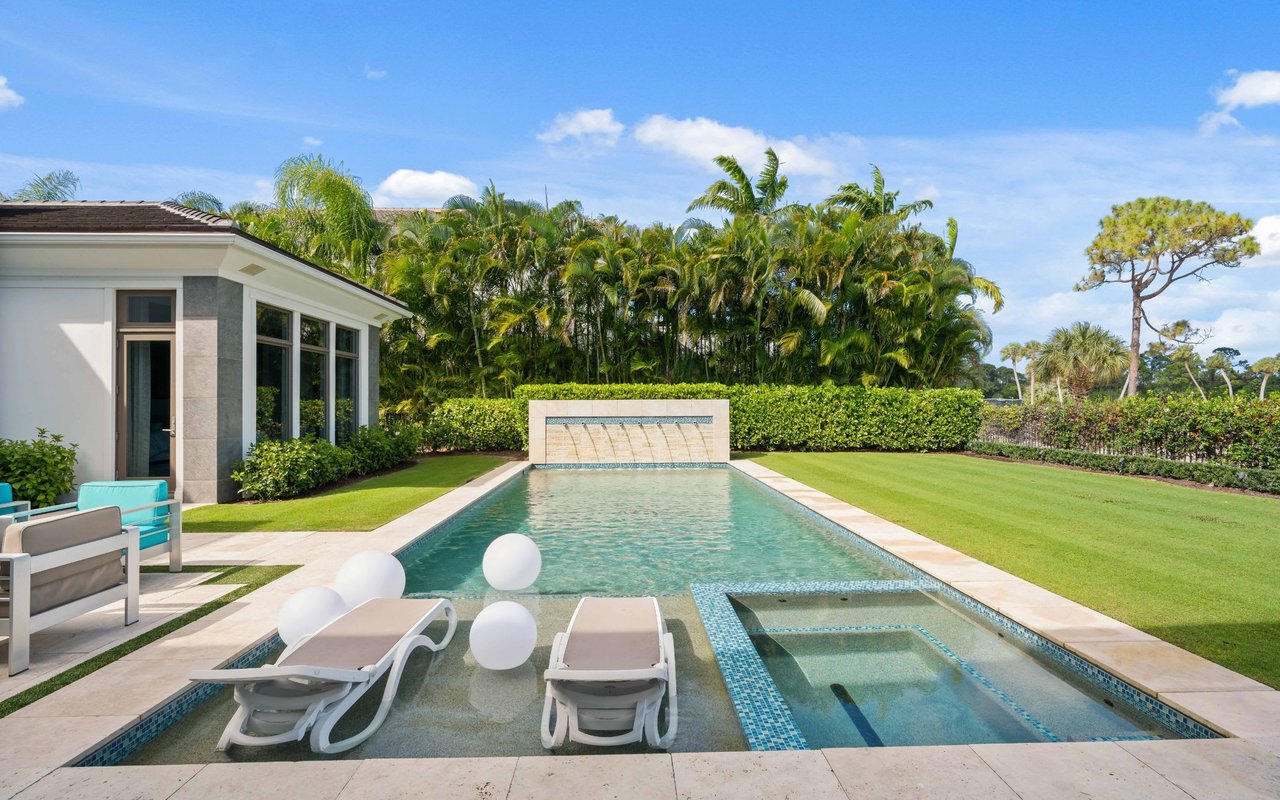
5182 N OCEAN SHORE BLVD UNIT C PALM COAST FL 32137