Palm Coast Second Home Neighborhoods to Consider
February 5, 2026
February 5, 2026
Wondering where second-home buyers focus in Palm Coast? With oceanfront condos, amenity-rich golf communities, and canal homes for boaters, the options can feel overwhelming. You want a place that is easy to lock and leave, has clear rental rules, and fits the lifestyle you love. This guide breaks down Palm Coast’s main micro-areas and how each measures up on ownership ease, rental flexibility, and amenity access. Let’s dive in.
Palm Coast sits on Florida’s northeast Atlantic coast between St. Augustine and Daytona Beach. Buyers come for beaches, the Intracoastal, and master-planned communities with strong amenities. Seasonal demand is highest from fall through spring, especially for beachfront and water-access properties.
If you travel often, you have straightforward access to Jacksonville and Daytona Beach airports. Drive times generally range from about 30 to 75 minutes depending on where you stay and traffic. Rental demand is strongest near the beach, boat access, and in communities that welcome seasonal visitors.
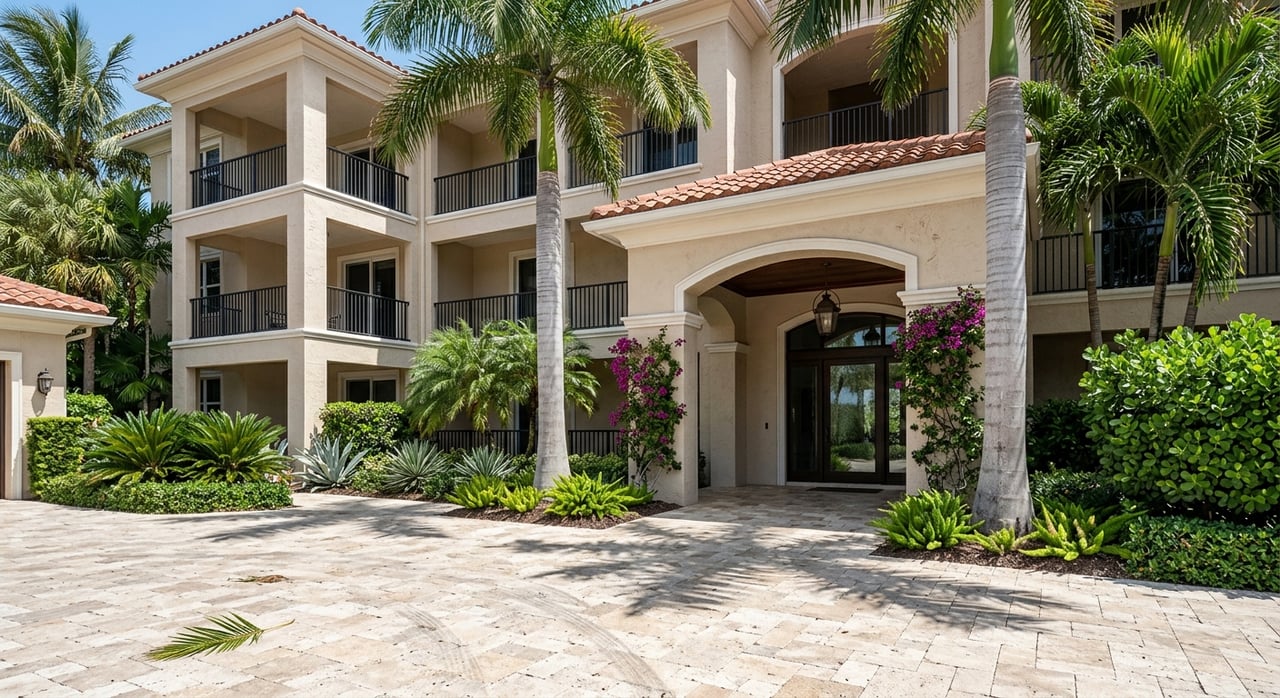
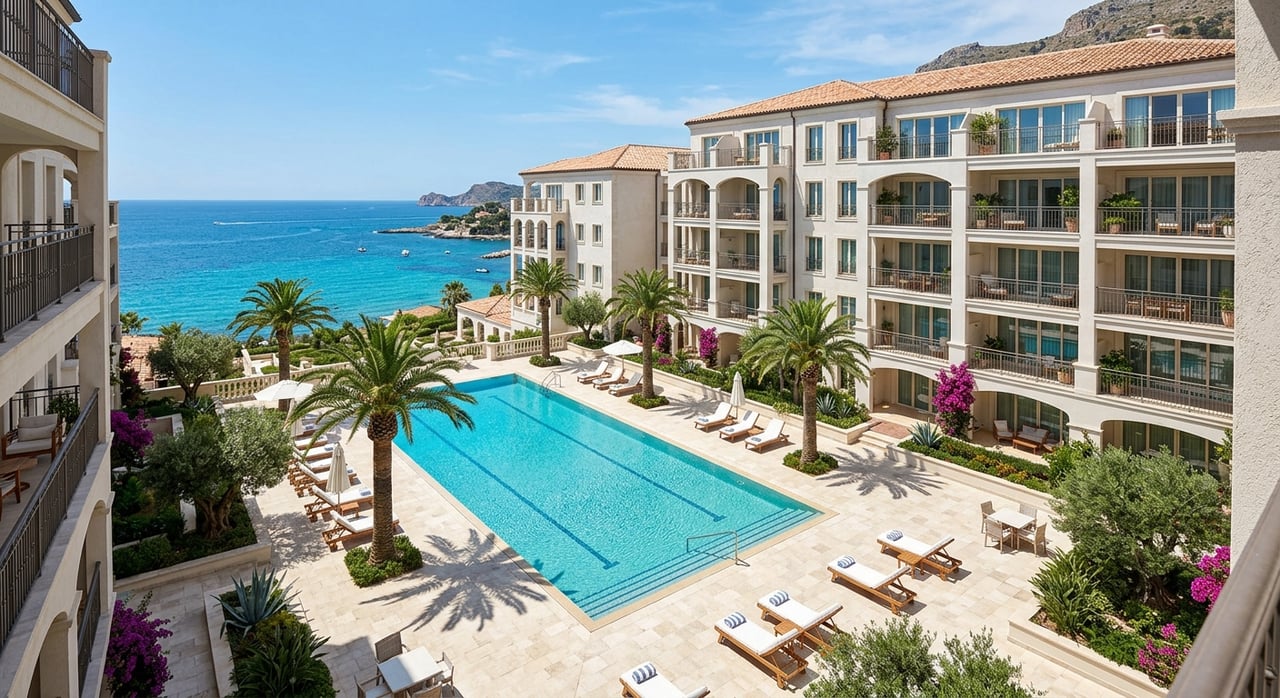
You get direct beach access, sunrise views, and an easy lifestyle that is simple to market for vacation stays. Oceanfront and nearby low-rise condos are top choices for seasonal owners and short-term guests.
Many condo buildings include exterior maintenance and sometimes on-site management. That keeps your personal upkeep low so you can arrive and enjoy.
HOAs often set rental rules such as minimum stay periods, guest registration, and parking guidelines. Review those policies early so you know what is allowed for short-term or seasonal rentals.
Coastal properties face wind, surge, and erosion risks, which can increase insurance premiums. Lenders may require flood insurance if the property is in a mapped flood zone. Ask for wind and flood quotes during due diligence and check for wind mitigation credits on roofs and windows.
Choose this micro-area if you want the beach first and are comfortable balancing HOA rules and coastal insurance requirements.
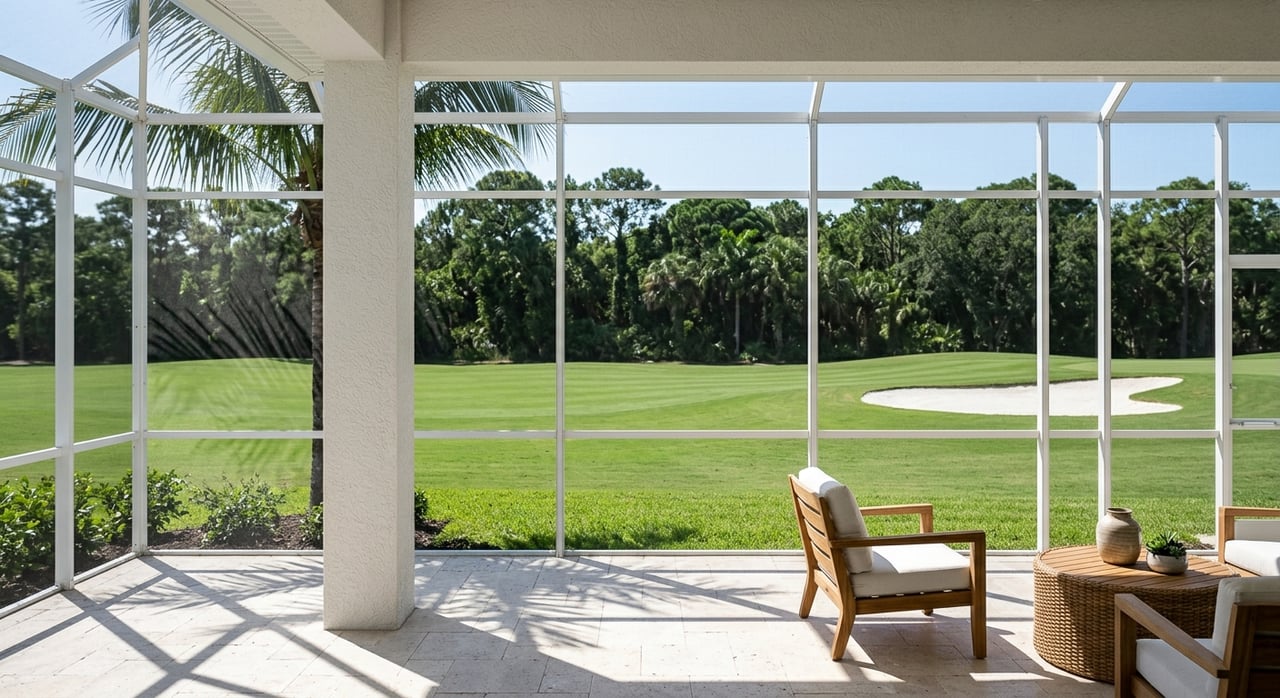
These amenity-rich communities often feature golf, clubhouses, pools, fitness centers, and social programming. The lifestyle is turnkey, with a community feel and convenient services.
This is a strong point. Gated entries, on-site security, and HOA-covered grounds care make it easy to travel. Many homes are designed for low maintenance.
Rental rules vary by HOA. Some communities allow short-term rentals while others limit or prohibit them. Expect registration and guest rules where rentals are allowed.
HOA fees support the amenities you enjoy and may rise over time. Rental demand can be steady during peak season and more variable the rest of the year. Confirm the latest fee structure and any special assessments.
Pick this option if you want turnkey living, strong amenities, and a low-maintenance setup with clear community guidelines.
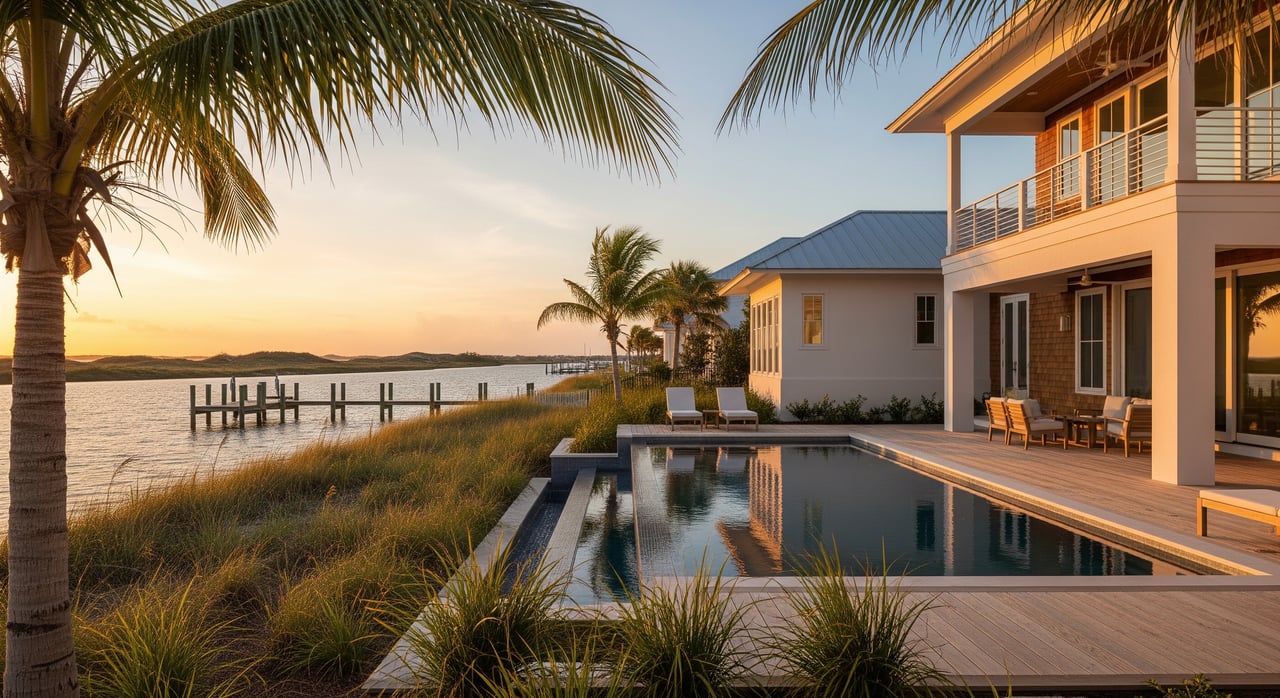
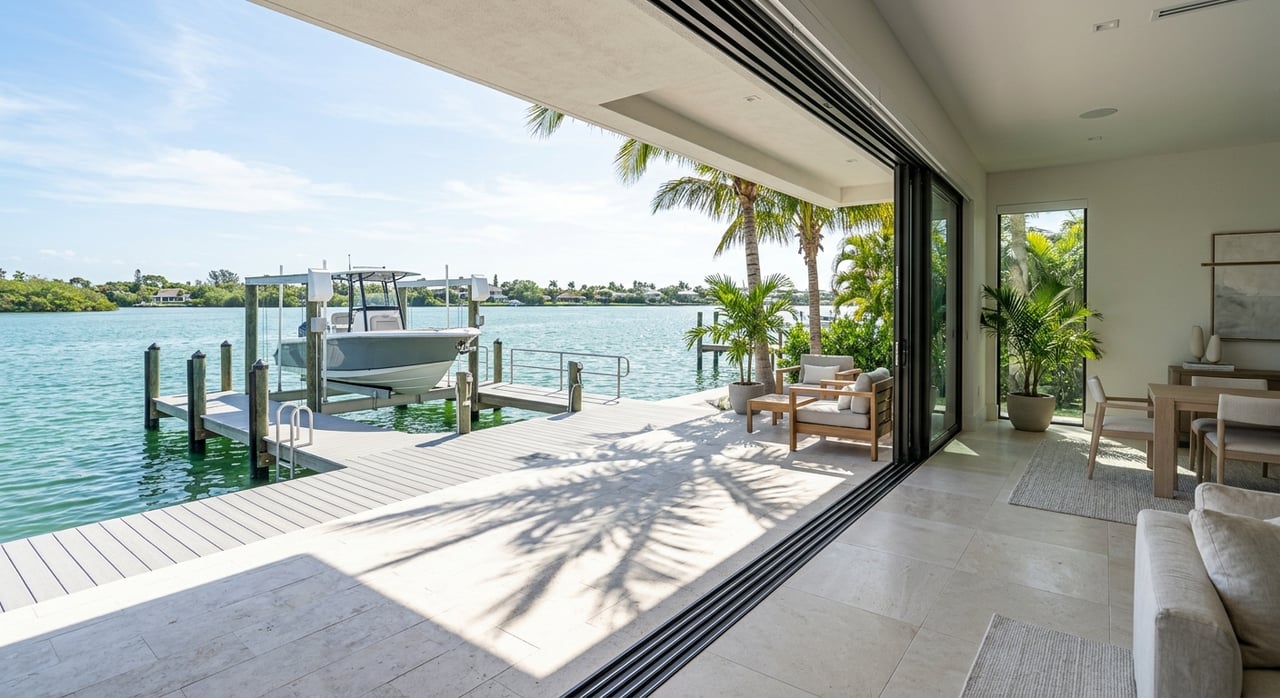
If you are a boater or angler, homes along canals and the Intracoastal Waterway are hard to beat. Properties with docks and deep-water access command a premium and draw renters who want a boating experience.
Expect higher maintenance than inland homes. Docks, bulkheads, and marine pests require attention. A reliable local property manager is essential if you will be away for long stretches.
Rental potential depends on the location and any HOA or deed restrictions. Standalone waterfront homes may face fewer HOA rules, but all owners must follow local registration and tax requirements for short-term rentals.
Flood and storm surge exposure varies by canal and elevation. Lenders often require flood insurance. Obtain a flood zone determination and an elevation certificate, and request flood and wind quotes as part of your due diligence.
Choose this if direct water access and boating are top priorities and you are comfortable budgeting for higher marine maintenance and insurance.
These homes are purpose-built for low maintenance. HOAs often handle exterior upkeep, security, and landscaping. Many are near shopping, healthcare, and sometimes the beach, which can appeal to seasonal renters.
This is ideal for frequent travelers. Keyless entry and on-site support can simplify arrivals, departures, and guest management.
HOAs may limit the number of rentals, set minimum stay lengths, or require owner occupancy for a period after purchase. Confirm the exact terms before you go under contract.
Consider this if you want minimal upkeep, clear community services, and an easy setup for extended stays.
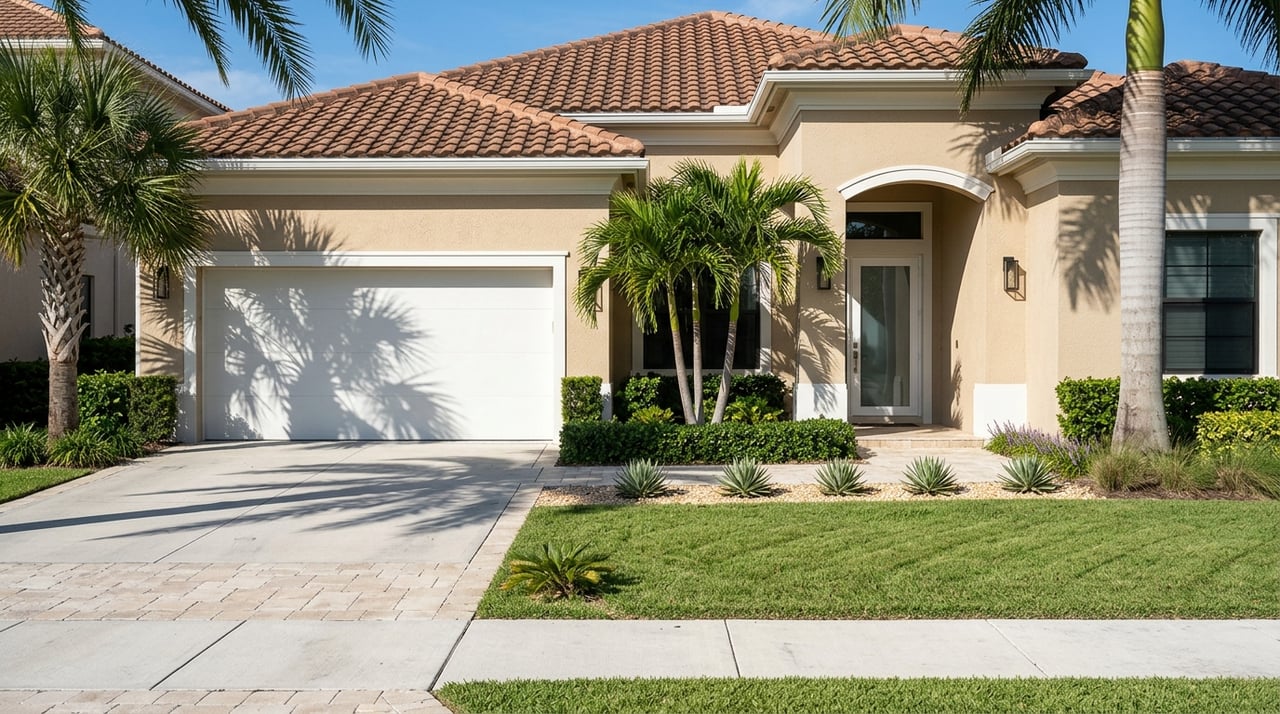
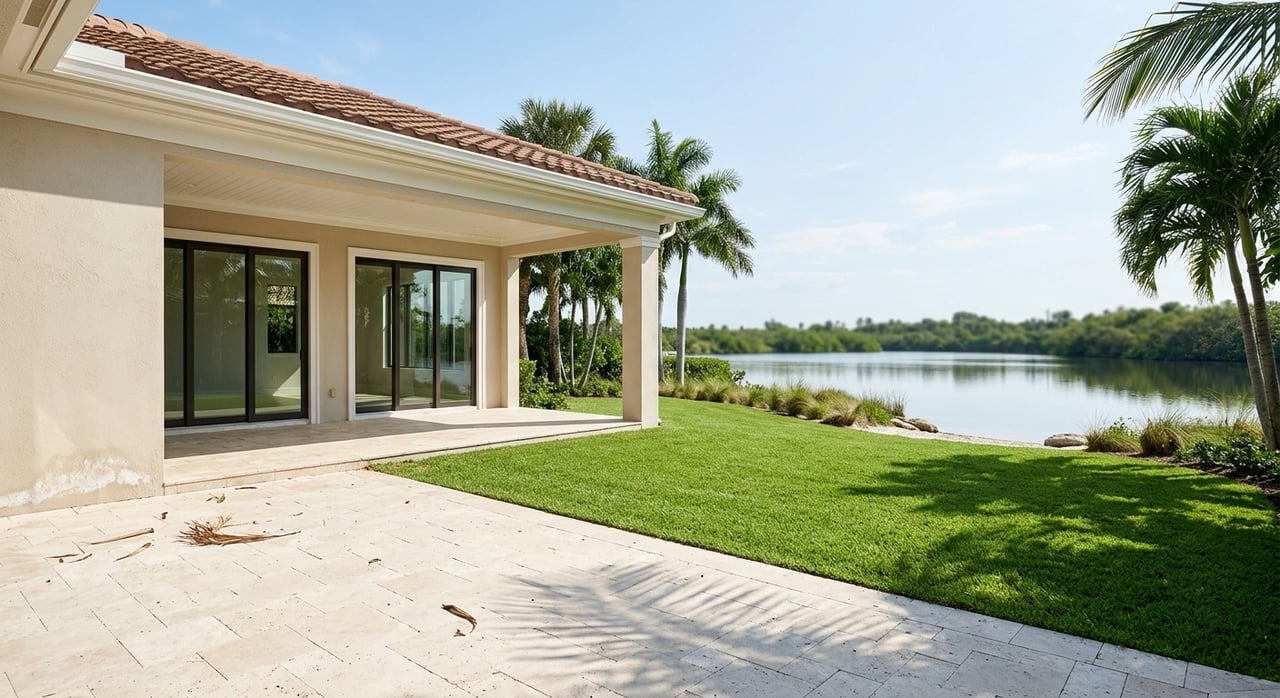
You often get newer construction, modern systems, and smaller lots with less yard work. Purchase prices can be lower than oceanfront options, and some communities add gated entries and shared amenities.
Newer homes are simpler to maintain, but you still want a local caretaker for long absences. Smart home features and shutoff valves add peace of mind.
Short-term beach-focused demand is typically lower inland, but these areas can work for longer seasonal stays or long-term rentals depending on HOA rules.
Pick this if you value newer construction and price over immediate beach access and plan to use the home for longer personal stays.
Understanding local rules and costs up front can save you from surprises later. Focus on these items during due diligence.
Helpful links:
Use this quick checklist before you sign a contract.
Location within Palm Coast affects travel time to airports and the beach. Most second-home owners rely on Jacksonville and Daytona Beach airports, with typical drives of about 30 to 75 minutes depending on traffic and exact location. If you plan to host guests, consider parking, beach access, and seasonal traffic patterns when comparing micro-areas.
Use your top three priorities to focus your search.
Finding the right fit is easier when you have a local advisor who can quickly filter for HOA rules, flood and insurance profiles, and the amenities you care about. If you are weighing several micro-areas, we can help you compare them side by side and avoid deal-killers.
Ready to narrow your Palm Coast second-home search? Reach out to Goodman Group Luxury Real Estate for hyperlocal guidance, curated options, and a smooth, lock-and-leave plan that fits your lifestyle.
Stay up to date on the latest real estate trends.
My goal is to not only meet but exceed expectations, ensuring that each real estate journey is as rewarding and stress-free as possible. I am dedicated to providing top-notch service that goes above and beyond. Get in touch today to experience a seamless and fulfilling real estate journey.
4440 N Ocean Shore Blvd, Suite 101 Palm Coast, FL 32137