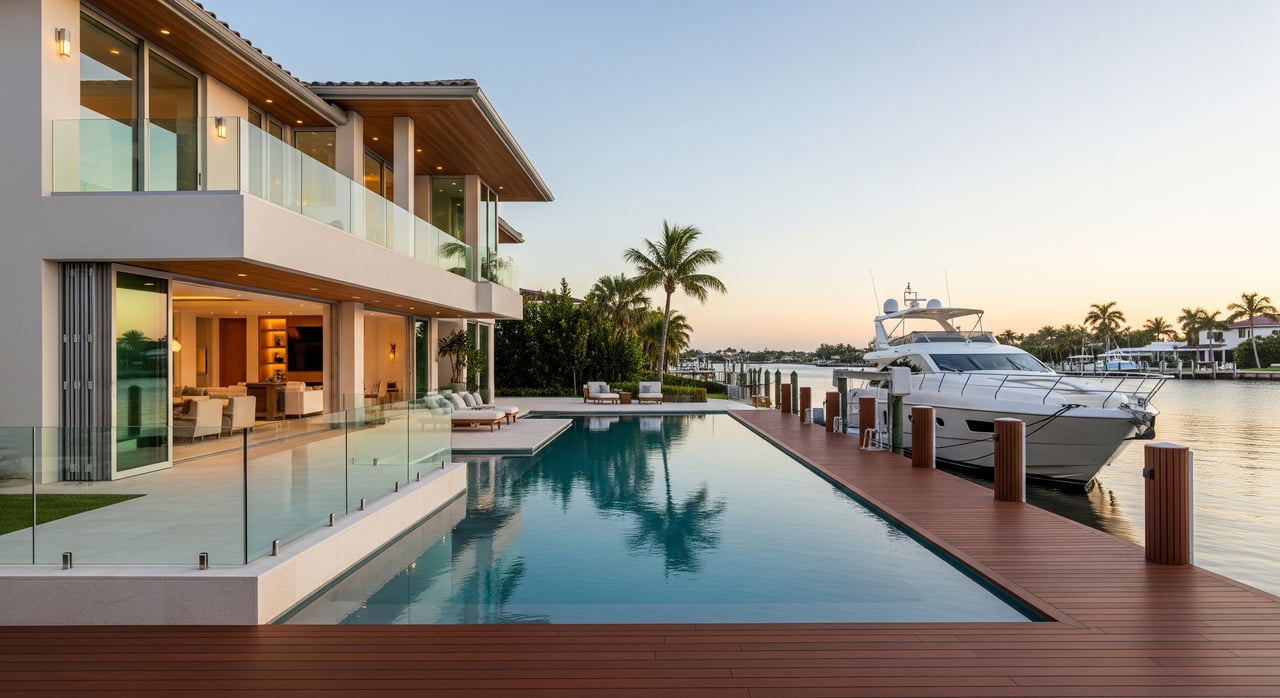
Smart Island Estates Pricing Strategies for Waterfront Homes
January 1, 2026
January 1, 2026
Is pricing a waterfront home in Island Estates keeping you up at night? You’re not alone. Waterfront value in 32137 depends on far more than bedrooms and square footage. In this guide, you’ll learn the exact factors that sway price, how appraisers look at comps, what insurance and permitting mean for value, and the steps to take whether you’re buying or selling. Let’s dive in.
Not all water is equal. Direct oceanfront or open Intracoastal frontage typically commands higher prices than canal or lagoon lots. Deepwater access that accommodates larger boats often carries a premium over shallow canals with limited draft. If you plan to boat, the ability to reach open water efficiently can be a major value driver.
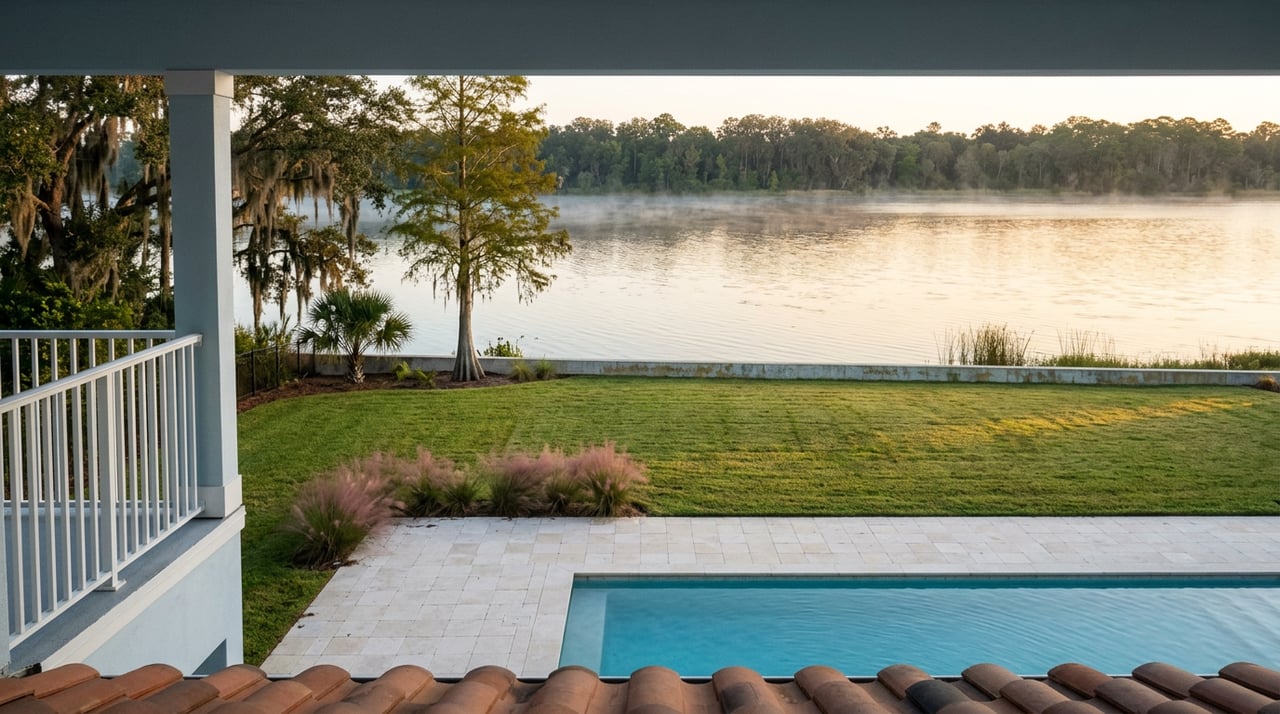
Unobstructed, panoramic views are prized. Wide-water views, long sight lines, and minimal visual obstructions often support higher prices than partial views. Orientation matters too. Some buyers pay more for sunrise or sunset views depending on lifestyle, and homes with better privacy from neighboring docks or balconies can see stronger demand.
Finished floor elevation relative to the Base Flood Elevation is central to risk and cost. Homes in VE or other high-velocity coastal storm zones typically face stricter building standards and higher insurance costs than homes in lower-risk zones. Elevation and flood zone status affect both marketability and long-term ownership costs.
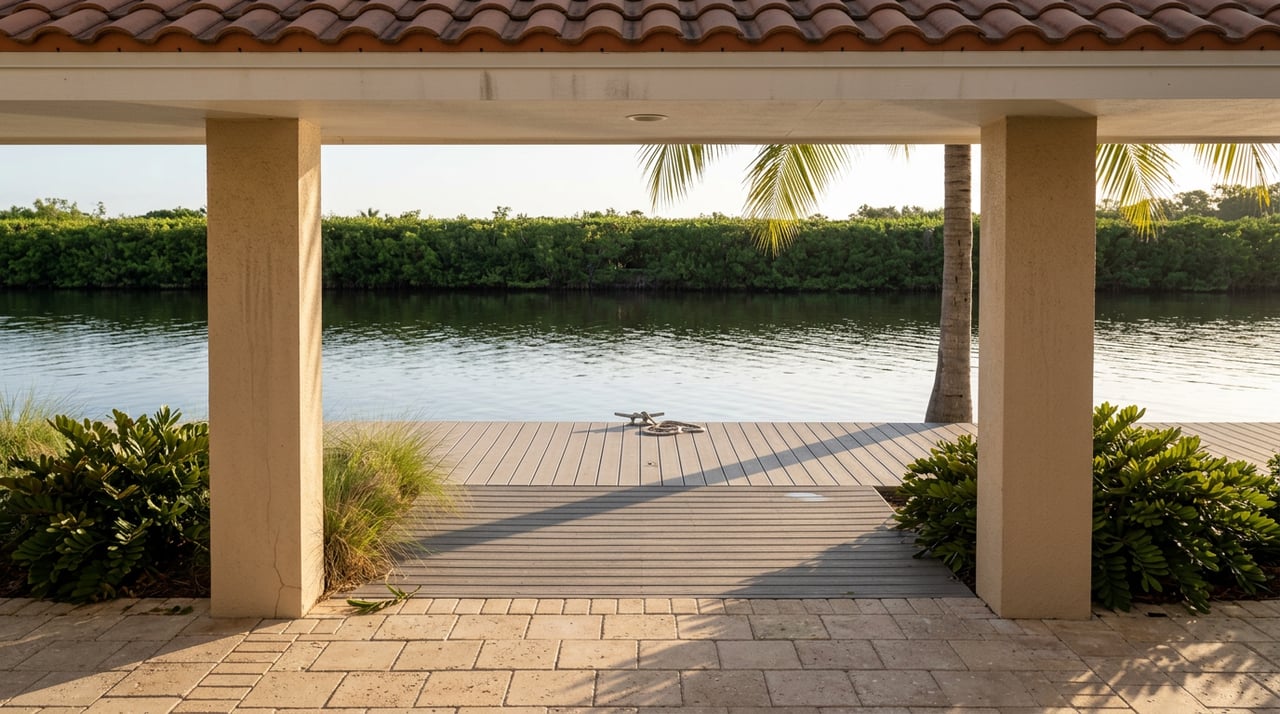
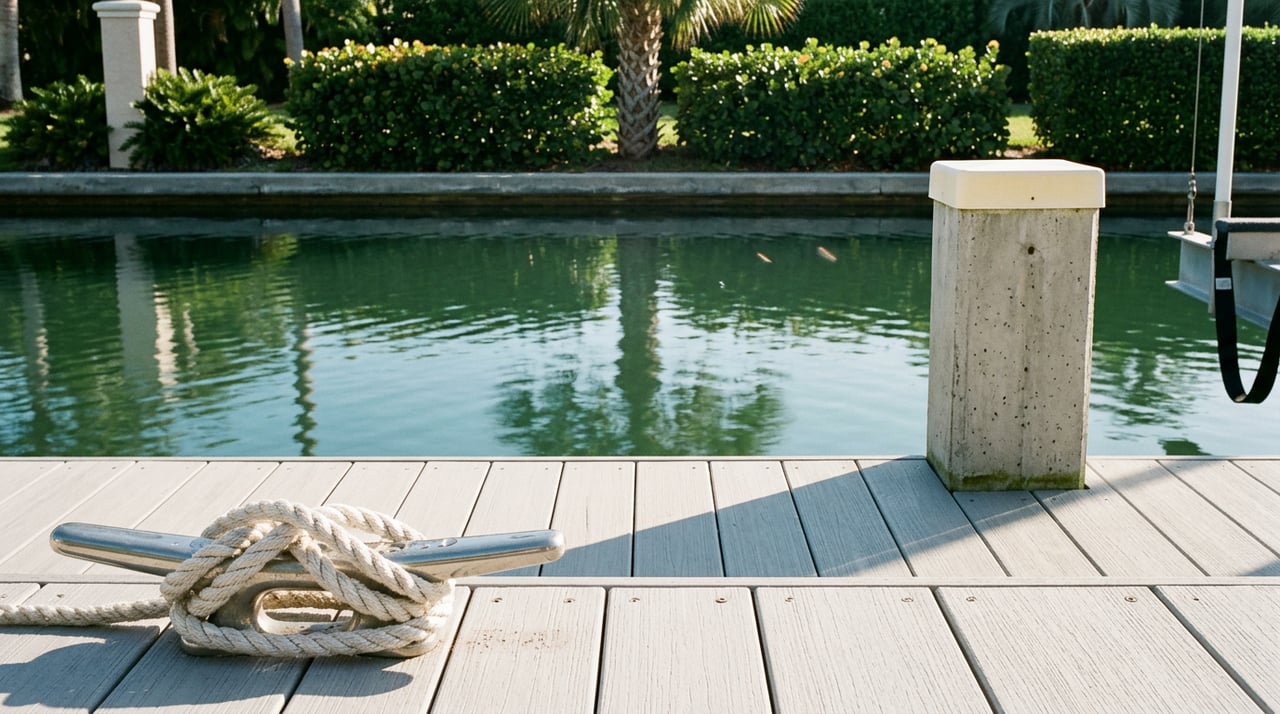
A well-maintained seawall, permitted dock, and functional boat lift add value. Aging seawalls, deteriorated pilings, or non-permitted structures can reduce price because buyers account for future repairs and permitting complexity. Recent inspections and documented maintenance help protect value.
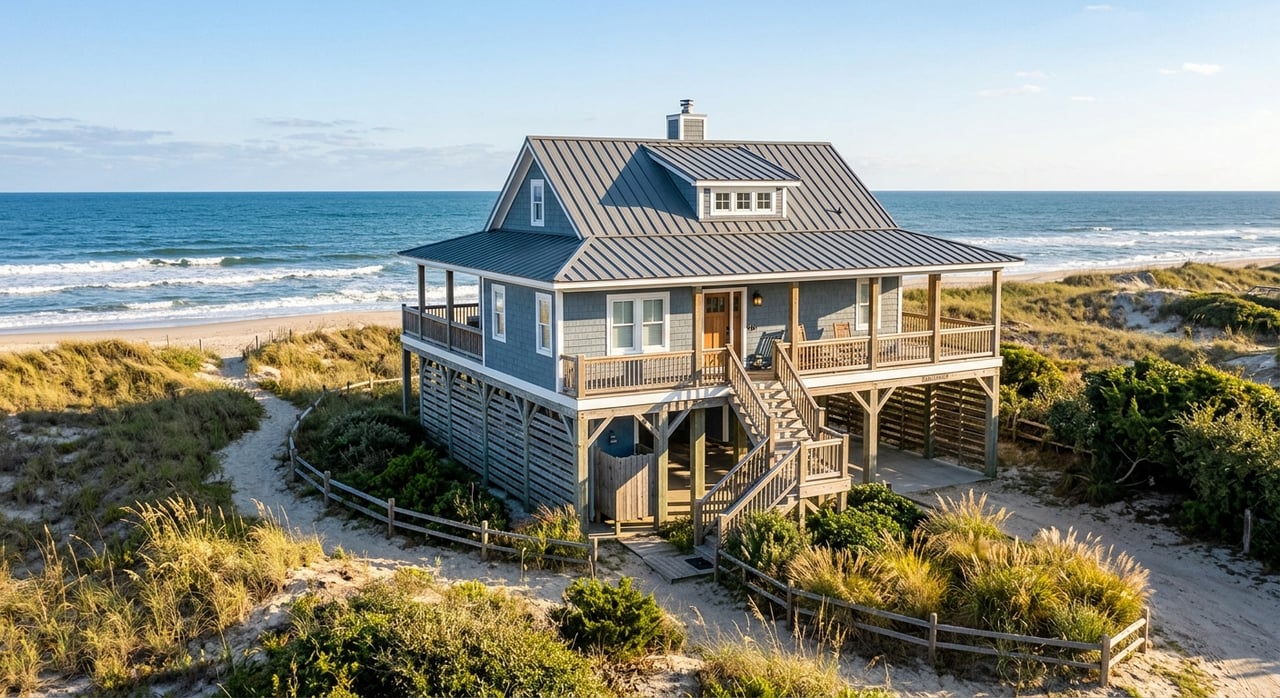
Lot size, shape, and the amount of usable upland above storm surge levels matter. Odd shapes, limited buildable area, or constrained yard space can impact how a home lives day to day. For beachfront properties, local dune condition and erosion history influence perceived stability and desirability.
Flood and windstorm insurance are material costs for coastal ownership. In Florida, underwriting has tightened in recent years, and higher premiums or deductibles can shrink buyer pools. Sellers who provide credible insurance estimates reduce uncertainty and can support stronger offers.
If income is part of your plan, confirm current short-term rental regulations with the City of Flagler Beach and Flagler County. Properties that align with local rules and practical management needs may command different pricing than those without viable rental pathways. Regulation changes can influence demand and value.
Appraisers aim for sales that mirror your property’s waterfront profile. Type of frontage, depth and quality of access, and elevation all matter. When direct matches are scarce, expect broader judgment calls and a heavier blend of the cost approach or income approach if rental use is relevant.
You will often see adjustments for:
Provide documentation up front to reduce uncertainty:
Ambiguous water rights, encroachments, or mean high-water line questions can stall value. Recent storm damage, erosion concerns, or properties in high-velocity zones without clear mitigation plans can also weigh on appraisals and buyer confidence.
Buyers pay for certainty. Gather these before listing:
Focus on sales within the last 6 to 12 months that match your water type, access depth, elevation, and view. If inventory is thin, include a short list of secondary comps with clear notes on differences and why your property deserves a premium or discount.
Price the water, not just the house. Reflect seawall and dock condition, boat lift capacity, open-water access, elevation and flood zone, and any immediate maintenance or permitting needs. Properties with stronger elevation and lower estimated insurance costs often warrant firmer pricing.
Offer flood and wind insurance estimates and clarify deductible structures. Include an easy-to-read ownership cost summary. Reducing unknowns helps buyers move quickly and confidently.
A pre-listing opinion from a waterfront-experienced appraiser can validate your pricing strategy, speed negotiations, and reduce the risk of appraisal gaps.
Hire a marine or structural inspector with seawall and dock expertise. Confirm dock capacity, lift functionality, piling integrity, and the seawall’s remaining useful life. Budget for near-term maintenance if recommended.
Request the elevation certificate and verify the FEMA flood zone. Secure quotes for flood and wind coverage, including any eligibility considerations for Florida’s insurer of last resort. Factor premiums and deductibles into your total cost to own.
Review permits for all marine structures. Obtain a current survey showing property lines and the mean high-water line. Resolve any encroachments before closing.
Ask the city or county about erosion history, renourishment schedules, and infrastructure projects affecting your shoreline or canal. Planned work can impact timing, access, or future assessments.
If rental income matters, review local STR rules and practical management needs. Align your offer with realistic income assumptions and compliance requirements.
Some lenders require specific documentation for coastal properties, including detailed appraisals and flood insurance. If you are seeking a jumbo or portfolio loan, engage the lender early to align timelines and appraisal scope.
Flood insurance requirements follow FEMA flood maps and your lender’s standards. Florida building codes include coastal construction provisions that may affect renovations and additions. Marine structures often require approvals at county or city, state, and sometimes federal levels, especially in tidally influenced waters.
Insurance market dynamics can influence pricing and days on market. Higher premiums and deductibles may limit certain buyer pools, particularly for homes in higher-risk zones. Transparent documentation and realistic pricing help offset market friction.
Long-term sea-level rise and storm surge risk are part of today’s valuation conversation. Elevation, protective structures, and local resilience planning shape buyer perception. Sellers should disclose known risks and maintenance history. Buyers should weigh mitigation options and planned local projects when comparing properties.
Pricing a waterfront home in Island Estates is equal parts lifestyle and liability. When you present a complete picture of access, view, elevation, insurance, and permits, you earn buyer trust and protect your outcome. If you are buying, thorough due diligence and early insurance quotes help you move decisively when the right home appears.
For tailored pricing, a custom comp set, and introductions to trusted marine inspectors, appraisers, surveyors, and insurance brokers, connect with Goodman Group Luxury Real Estate. You will get boutique, high-touch guidance from a local expert who understands Flagler’s coastal market.
Stay up to date on the latest real estate trends.

My goal is to not only meet but exceed expectations, ensuring that each real estate journey is as rewarding and stress-free as possible. I am dedicated to providing top-notch service that goes above and beyond. Get in touch today to experience a seamless and fulfilling real estate journey.
4440 N Ocean Shore Blvd, Suite 101 Palm Coast, FL 32137