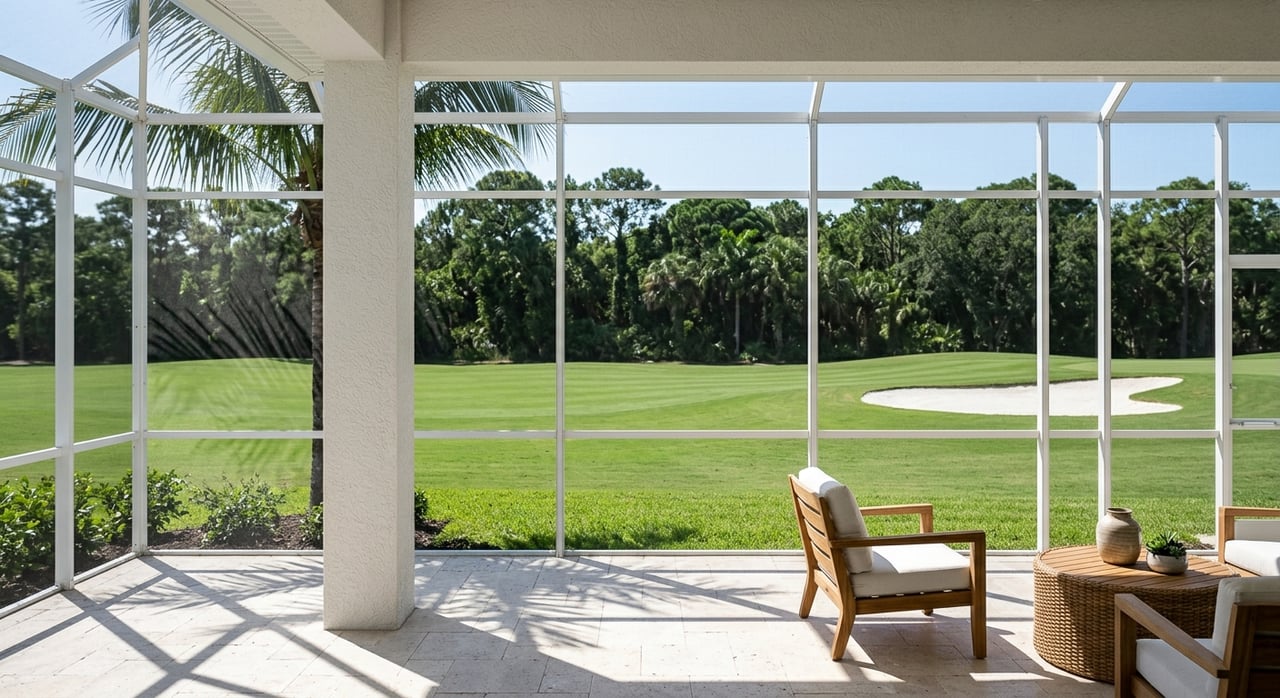
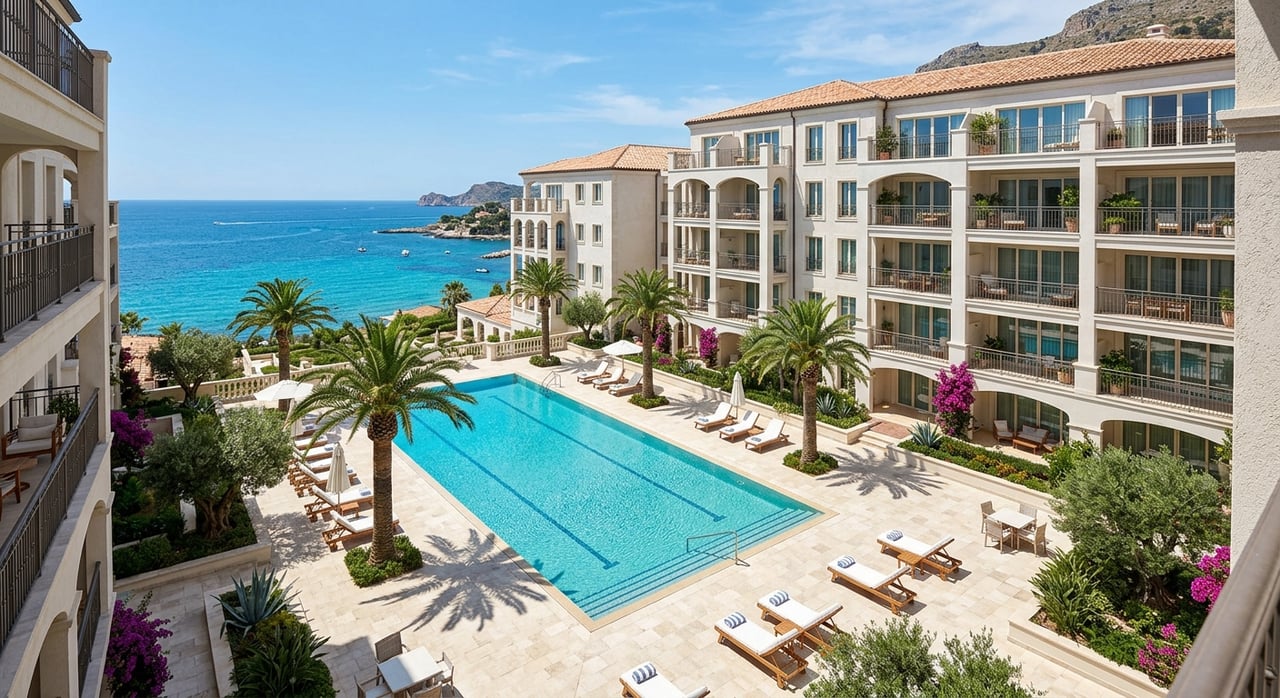
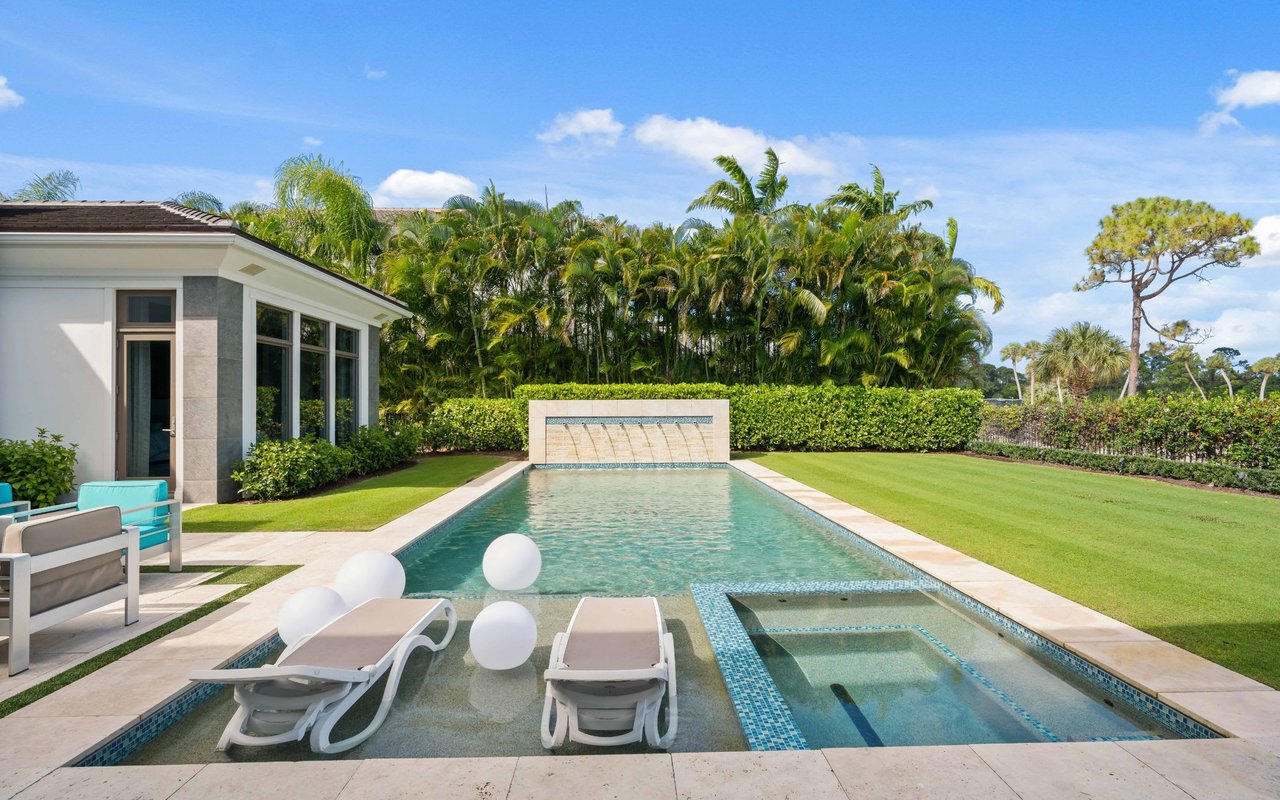
If you want your Surf Club condo to stand out online, timing is everything. The right light, tide, and angle can turn a simple shot into a scroll-stopping image that drives showings and stronger offers. Here is a practical, local guide to planning a photo shoot that flatters your view, your finishes, and your lifestyle.
Why Timing, Tides, and Angles Matter at Surf Club
Premium imagery is the first showing. At Surf Club’s oceanfront setting on A1A, light shifts fast and the shoreline changes with the tide. Thoughtful planning helps you:
- Capture sunrise color over the Atlantic and glow on wet sand
- Balance bright ocean views with interior lighting for true-to-life images
- Pick angles that showcase horizon lines, boardwalks, and amenities without clutter
Surf Club faces east, which favors sunrise on the water and warm, side-lit scenes later in the day. Sunset light falls from the west across the property, so backlighting becomes a factor for ocean-facing scenes. For exact sunrise/sunset times and sun angles on your shoot date, use a live sun calculator for Palm Coast according to Time and Date’s sun data.
Best Light for Surf Club Photos
Golden Hour vs. Midday Trade-offs
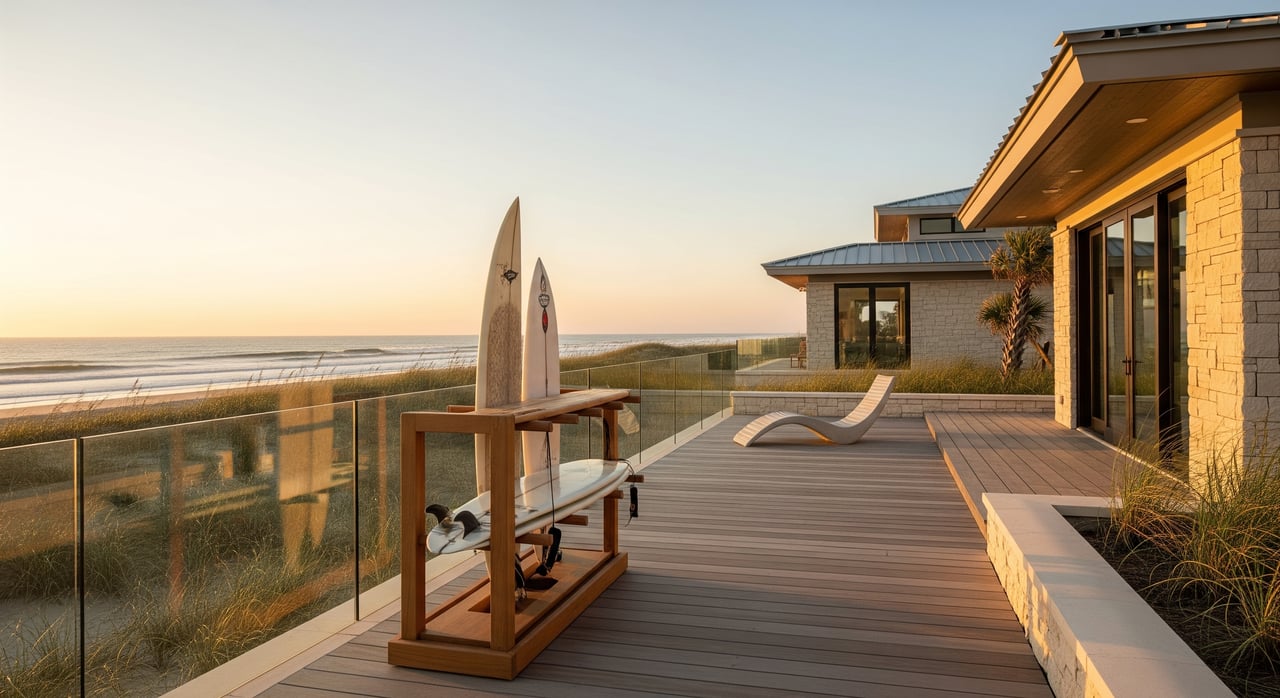
- Morning golden hour: Soft, warm light and fewer people on the beach. This is ideal for oceanfront exteriors, boardwalks, and reflective wet sand. Plan to shoot exteriors first, then move indoors while light is still gentle.
- Midday: Brighter, even light for interiors and amenities. Skies run cleaner, but shadows are stronger outdoors. Use polarizers and shade management for pool and courtyard shots.
- Evening golden hour: Dramatic skies to the west and backlight on the ocean side. Use bracketed exposures or subtle fill light to keep ocean views visible from balconies.
Check your exact date for sunrise, sunset, and azimuth changes, since seasonal shifts affect where the sun hits the building lines per Time and Date’s daily chart.
Interior Light and Window Balance
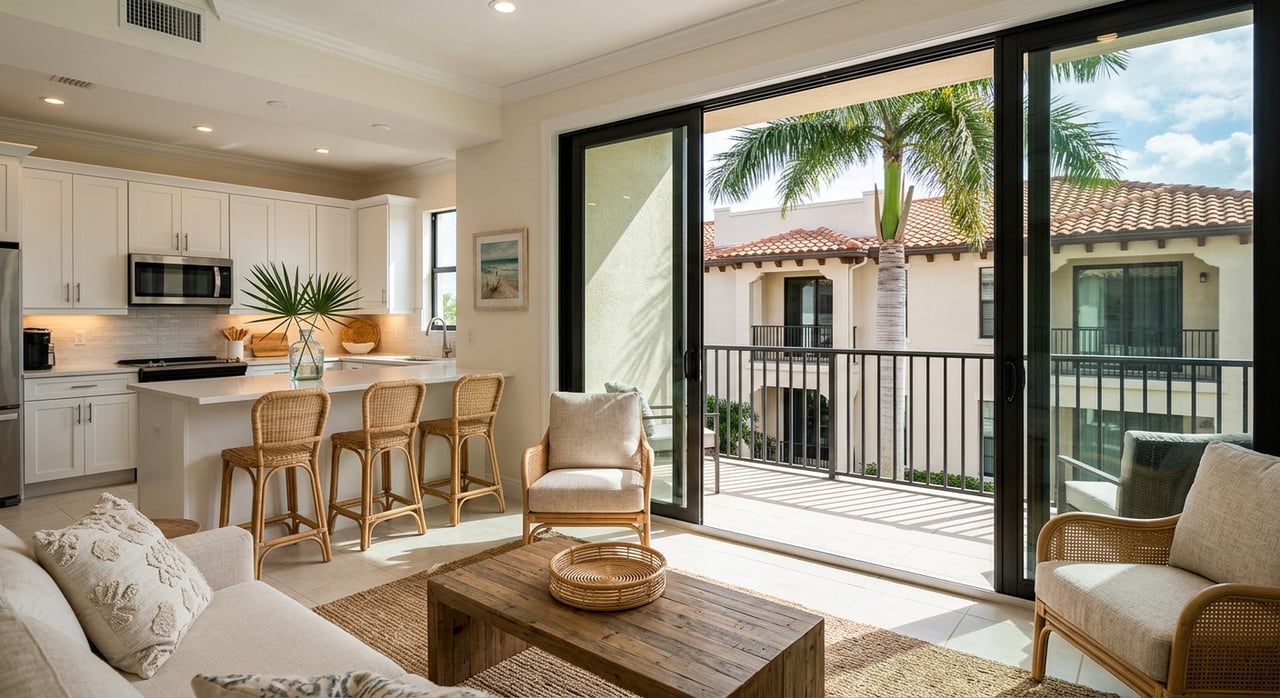
Oceanfront rooms can be tricky. The view is bright, the interior is darker. To keep the scene natural:
- Meter for the room, then bracket exposures to blend the view without blowing out highlights.
- Use sheer curtains to soften glare while keeping the horizon visible.
- Keep lights consistent. Warm bulbs in one room and cool bulbs in another can cause color shifts.
For high-contrast scenes facing the ocean, HDR or graduated filtration helps maintain realistic balance during sunrise and late afternoon.
Blue Hour and Twilight Options
Blue hour brings a calm, polished feel to amenities and balconies. Try:
- Balcony twilight scenes with interior sconces and under-cabinet lights on for warmth
- Pool and path vignettes with practical lights glowing against a deep blue sky
Use a short window before full darkness. A live sun tool helps you time the sequence as outlined by Time and Date. For rough seasonal guidance, blue hour falls just after sunset and just before sunrise, but confirm the exact minutes on shoot day.
Weather and Cloud Cover Strategy
- High clouds: Great for sunrise color and soft light.
- Thin overcast: Flattering for interiors and amenities with reduced glare.
- Full sun: Crisp color and sparkle on water; manage shadows and reflections with careful timing.
Stay flexible. Keep an A plan for sunrise and a B plan for interiors if winds or clouds shift.
Tides and Ocean Conditions for Impact
Tide height changes your canvas. At low tide, coquina rock and tidal pools can appear along the northern Flagler coast. At higher tide, the composition becomes water-forward with smaller beach width.
Low vs. High Tide Visuals
- Low tide: Wider beach, exposed textures, and reflective wet sand. Perfect for wide foregrounds and leading lines.
- Mid to high tide: Stronger surf energy and tighter compositions. Use longer lenses to isolate wave action and keep frames clean.
Use NOAA’s authoritative station for the area, Smith Creek at Flagler Beach, Station ID 8720833, to plan your timing and expectations via NOAA Tides & Currents. Local tide calendars also help you visualize the day’s curve as shown by Windfinder’s tide pages.
Surf, Wind, and Sky Coordination
- Light winds with scattered high clouds: smooth water and pastel color at sunrise.
- Onshore wind and swell: more wave texture and spray, better for dramatic action but higher contrast.
- After a front: crystal clarity and long views to the horizon.
Match the conditions to your story. Want calm luxury lifestyle? Aim for lighter winds and a lower tide. Want energy and drama? Time a mid to high tide with some swell.
Planning Tools and Lead Times
- Check sun times and azimuth the week before and again the day before using Time and Date.
- Pull tide predictions for your exact shoot date and location from NOAA’s station 8720833 on NOAA Tides & Currents, then confirm day of with a quick local tide check on Windfinder.
- Hold a backup window in the same week so you can pivot for weather or tide conflict.
Safety and Access Considerations
Surf Club is a gated, private community with security and private amenities. Always confirm property access and any rules for commercial photography with the association or owner before scheduling as noted by the community. The county also recognizes sensitive nearshore rock features; be careful around exposed coquina and avoid disturbing habitat per Flagler County coastal guidance.
Angles and Compositions That Sell
Exterior Hero Frames
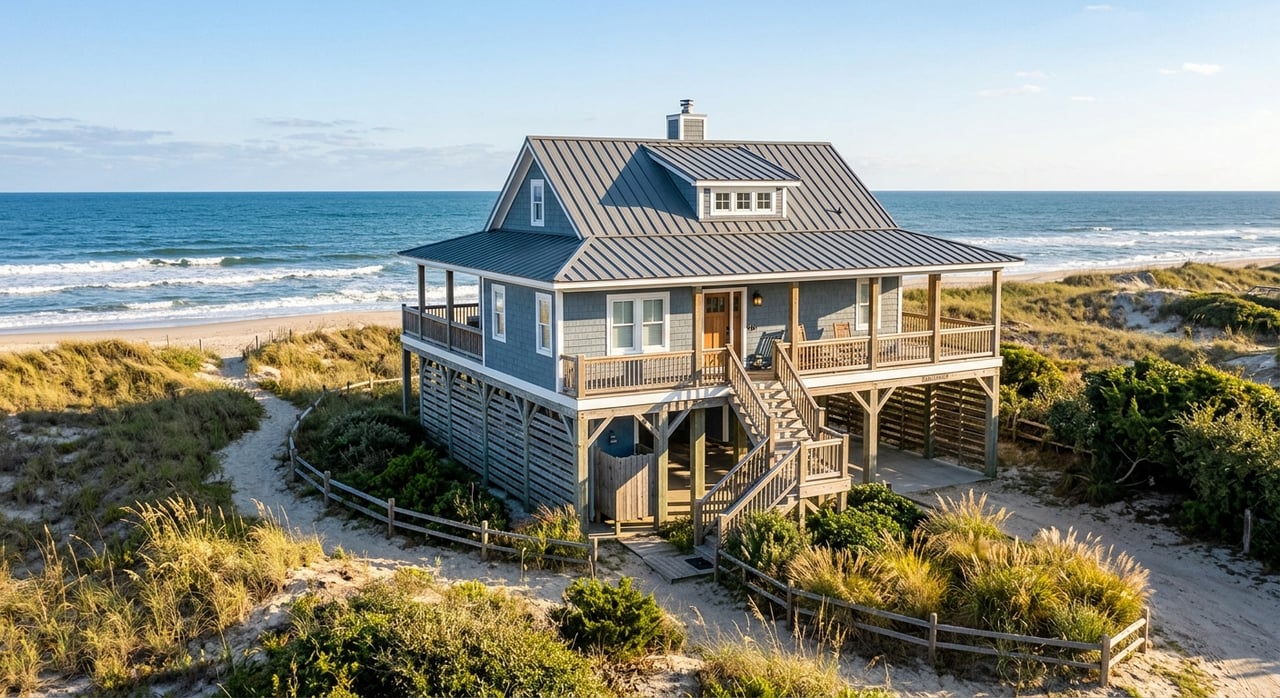
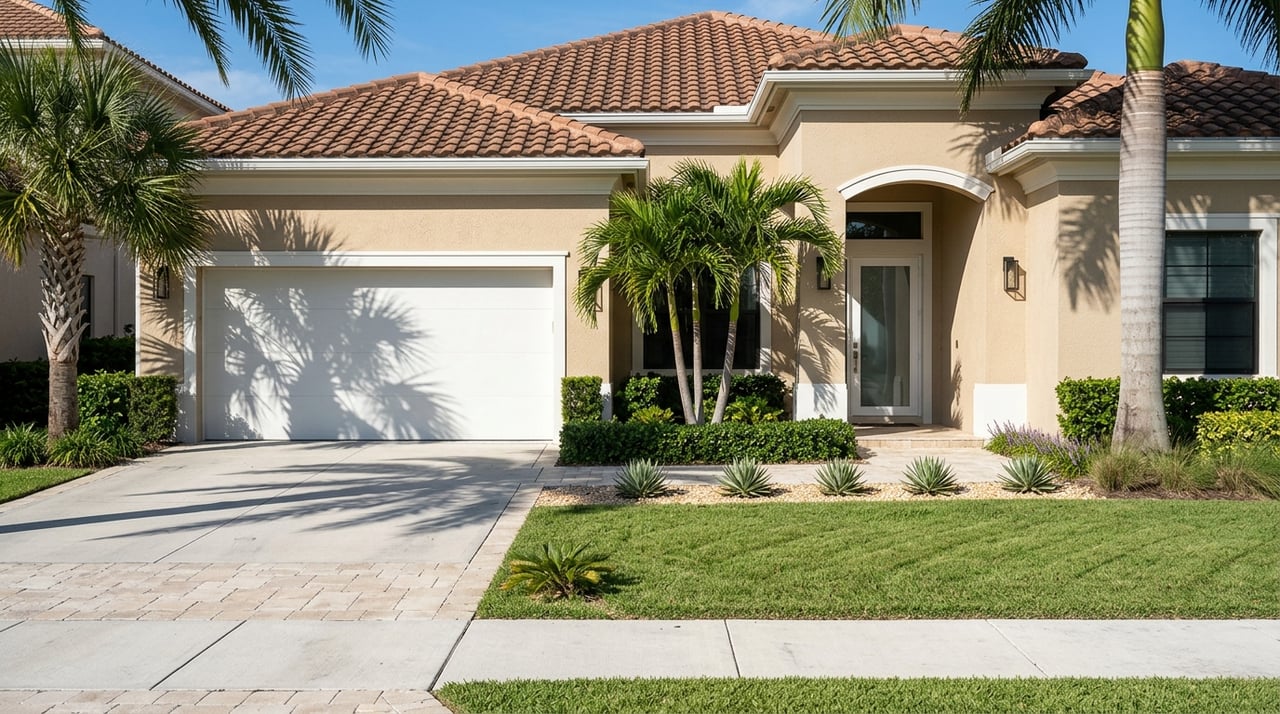
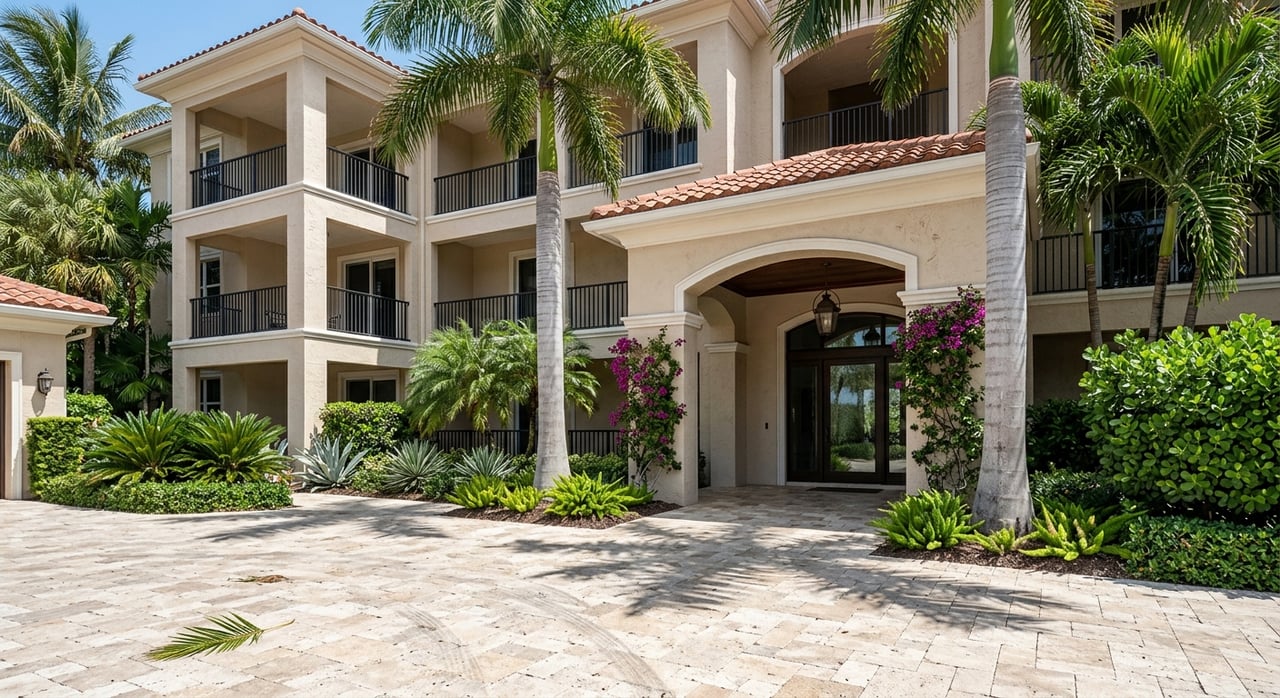
- Start with a clean, front-facing frame that shows the building, dune line, and context.
- Aim for simple horizons and strong verticals. Keep signage and parked cars minimized.
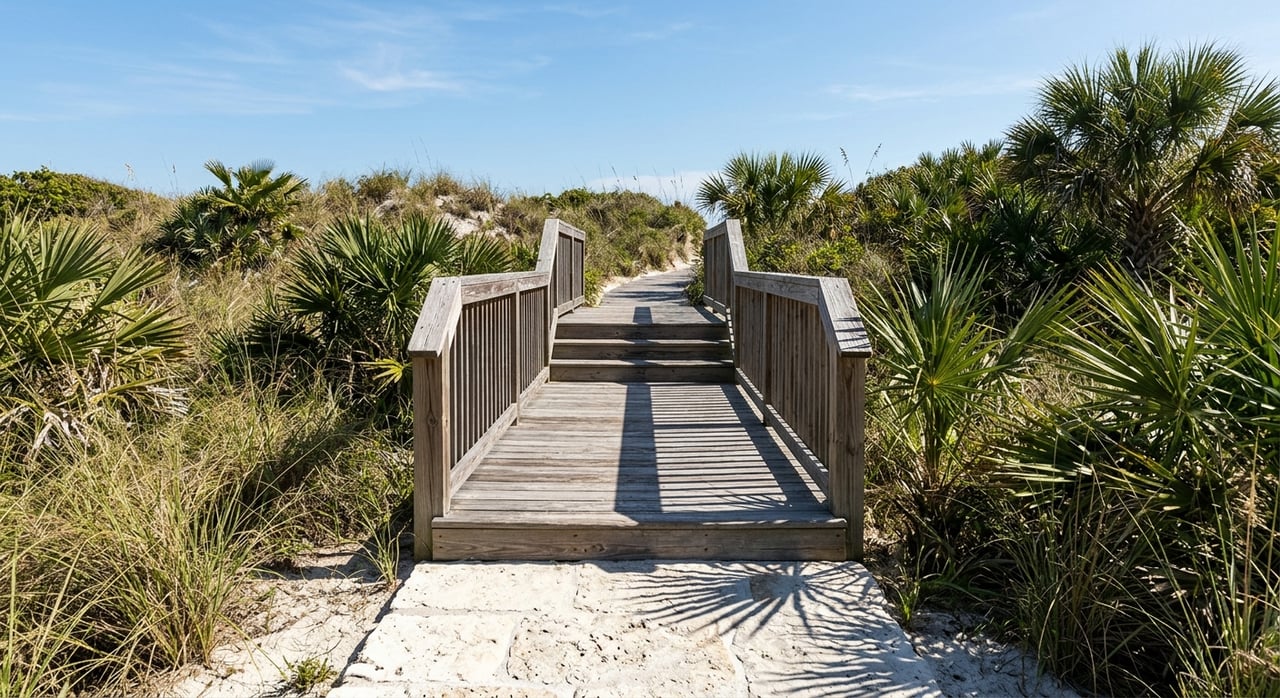
- Use boardwalks and paths as leading lines from foreground to ocean.
Balconies, Views, and Horizon Lines
- Keep the horizon level and place it around one third of the frame for balance.
- Anchor with a crisp foreground: a bistro table, a soft throw, or a potted palm to suggest scale and lifestyle.
- If shooting toward the sun, bracket exposures so the water stays luminous and the interior reads true.
Amenities and Lifestyle Vignettes
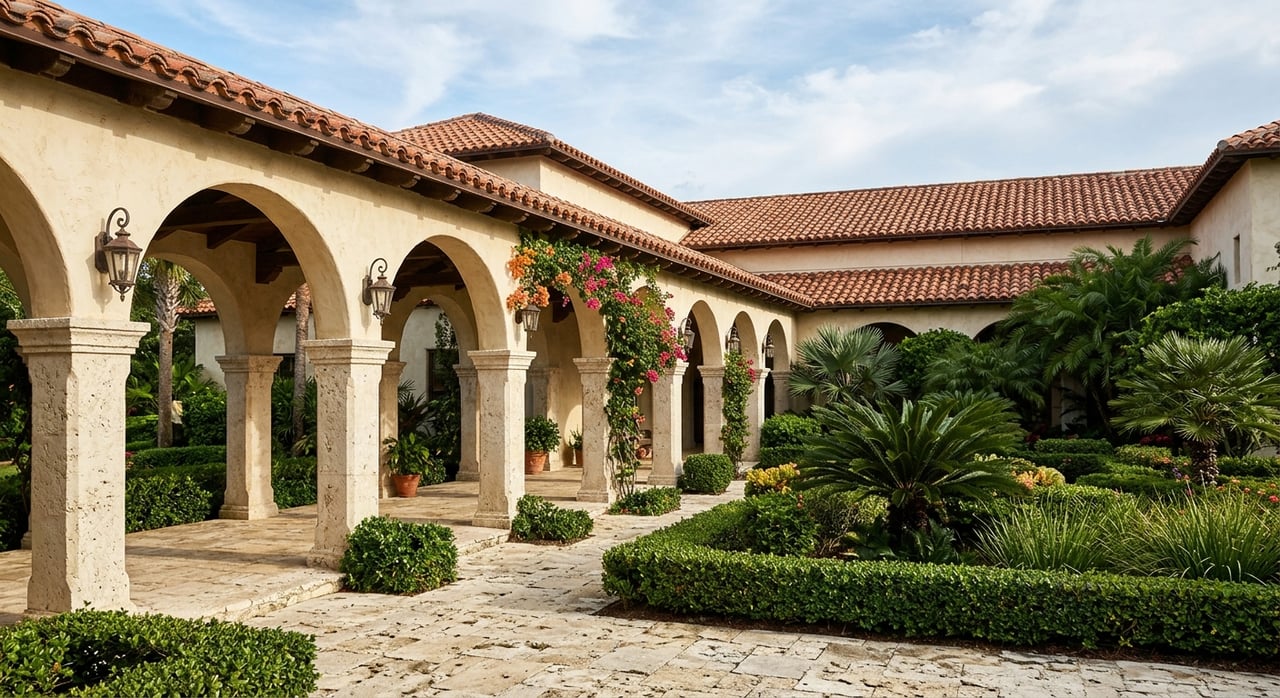
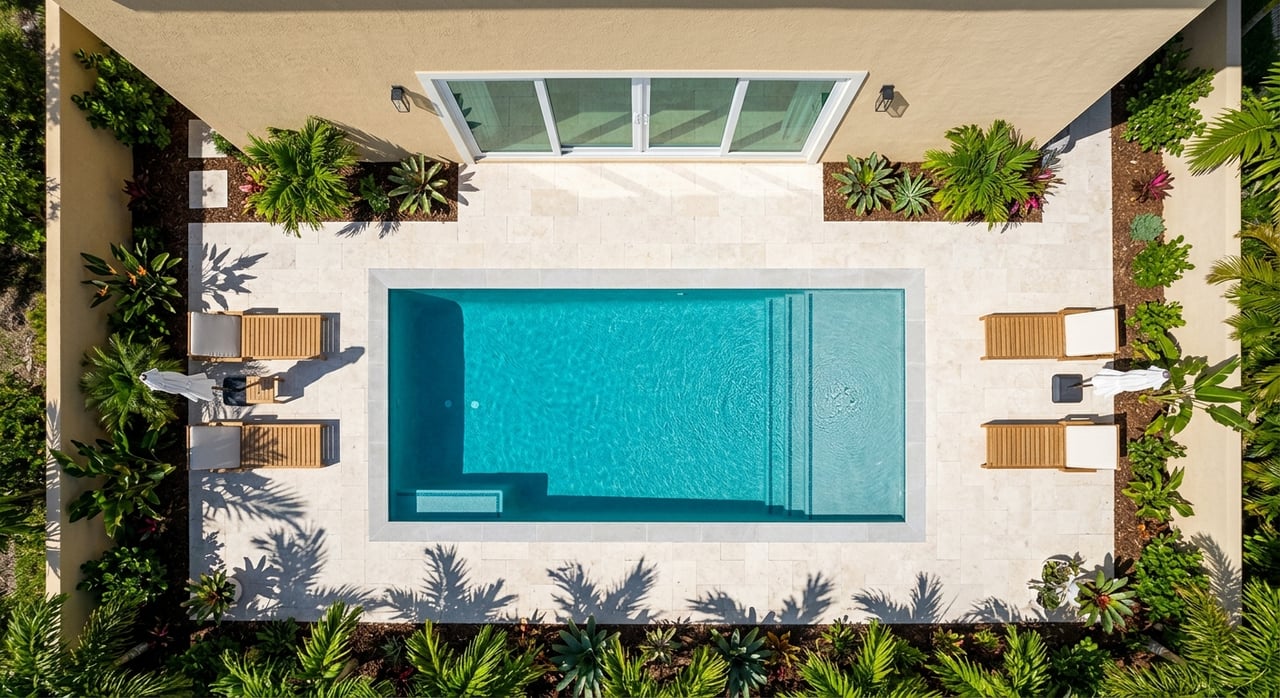
- Pools and courts: Shoot from a corner or slight elevation to show layout and light reflections.
- Boardwalks and walkovers: Frame diagonals that guide the eye to the ocean.
- Details: Capture gate, logo, or native plantings for brand consistency across marketing.
Drone and Elevated Perspectives
Aerials show the coastline, scale, and proximity to Matanzas Inlet and A1A. If used for marketing, operate under FAA Part 107 or hire a certified pilot, confirm Remote ID compliance, and follow HOA rules on takeoff and landing per FAA guidelines and building permissions as stated by Surf Club.
Shoot-Day Logistics and Prep for Sellers
Staging for Rooms and Balconies
- Declutter surfaces and store remotes, charging cables, and small appliances.
- Use neutral linens with one or two color accents that echo the ocean palette.
- On balconies, set a tidy seating vignette and remove excess items.
Glass, Metal, and Reflections
- Clean sliders, mirrors, and stainless surfaces to reduce streaks and fingerprints.
- Plan for glare control. Sheers or partially drawn shades can soften hotspots without hiding the view.
- Wipe balcony rails and glass for crisp edges in close-ups.
Access and Common-Area Coordination
- Book elevator and parking windows if needed. Confirm key fobs and gate codes work.
- Check amenity schedules so pools and courts are photo-ready.
- For any setup that may impact walkways or shared spaces, ask the HOA for the best times and guidelines per Surf Club’s private-access setting.
Weather and Tide Contingencies
- Keep a flexible shot list. If wind picks up, move to interiors and return to exteriors at a calmer window.
- Confirm sunrise and blue hour timing the day of with Time and Date.
- Verify tide timing and expected height before you commit to low-tide rock details using NOAA station 8720833.
From Photos to Market Impact
Sequencing for MLS and Portals
- Lead with one hero exterior and one balcony view to set value quickly.
- Group images by flow: exterior, amenities, main living, kitchen, beds, baths, balcony, and night shots.
- Avoid repeating similar angles. Each frame should add new information.
Editing Standards and Consistency
- Keep color natural and lines straight, especially verticals.
- Balance window views without unrealistic interiors.
- Ensure consistent white balance across the full set for a cohesive look.
Video, Reels, and 3D Add-ons
- Short lifestyle clips of the walkover, waves, and balcony morning coffee can lift engagement.
- Consider a 3D tour for layout clarity and longer time-on-listing.
- Pair sunrise stills with twilight amenity clips to tell a full-day story.
Partner With a Local Marketing Team
You deserve a plan that treats light, tide, and composition like the assets they are. At Surf Club, that plan starts with a sunrise window, tide-smart timing, and clean, luxury-focused styling. If you are considering a sale or seasonal relist, we will tailor a photo plan around your exact view, building position, and schedule.
For personalized guidance and a data-backed pricing conversation, connect with Goodman Group Luxury Real Estate. Get your listing camera-ready, distributed to every major channel, and supported by premium visuals. Get Your Instant Home Valuation today.
FAQs
What time of day is best to photograph Surf Club’s ocean side?
- Sunrise offers the most flattering light and color because Surf Club faces east. Confirm sunrise time and sun angle for your exact date with a live sun tool for Palm Coast per Time and Date.
How do tides change the look of the beach in photos?
- Low tide reveals more beach width and can expose rock textures and tidal pools. High tide tightens compositions and emphasizes surf. Check NOAA’s local station 8720833 before scheduling via NOAA Tides & Currents.
Do I need permission to do a professional shoot at Surf Club?
- Yes. Surf Club is a gated community with private amenities. Get written approval for commercial photography and clarify any restrictions with the association or owner as noted by the community.
Can I fly a drone for listing photos?
- If the images are for marketing, fly under FAA Part 107 or hire a certificated pilot. Ensure Remote ID compliance, follow visual-line-of-sight rules, and obtain HOA permission for takeoff and landing per FAA guidance.
What if sunrise and low tide do not align on my date?
- Pick the priority that best fits your story or hold a secondary time slot. Use NOAA tide predictions and a sun-time tool to choose the strongest window for your goals NOAA station 8720833 and Time and Date.
Are there environmental rules I should know about?
- Yes. Flagler County recognizes sensitive nearshore rock features. Avoid trampling vegetation or disturbing tide pools, and follow posted guidance on protected areas per Flagler County coastal FAQs.
How far in advance should I schedule a shoot?
- At least 1 to 2 weeks ahead. This allows you to pick optimal light and tide windows, line up access with the HOA, and keep a backup slot for weather shifts. Confirm final timing the day before using sun and tide tools Time and Date and NOAA.