Surf Club Condo Insurance: Master Policy & Your HO‑6
October 23, 2025
October 23, 2025
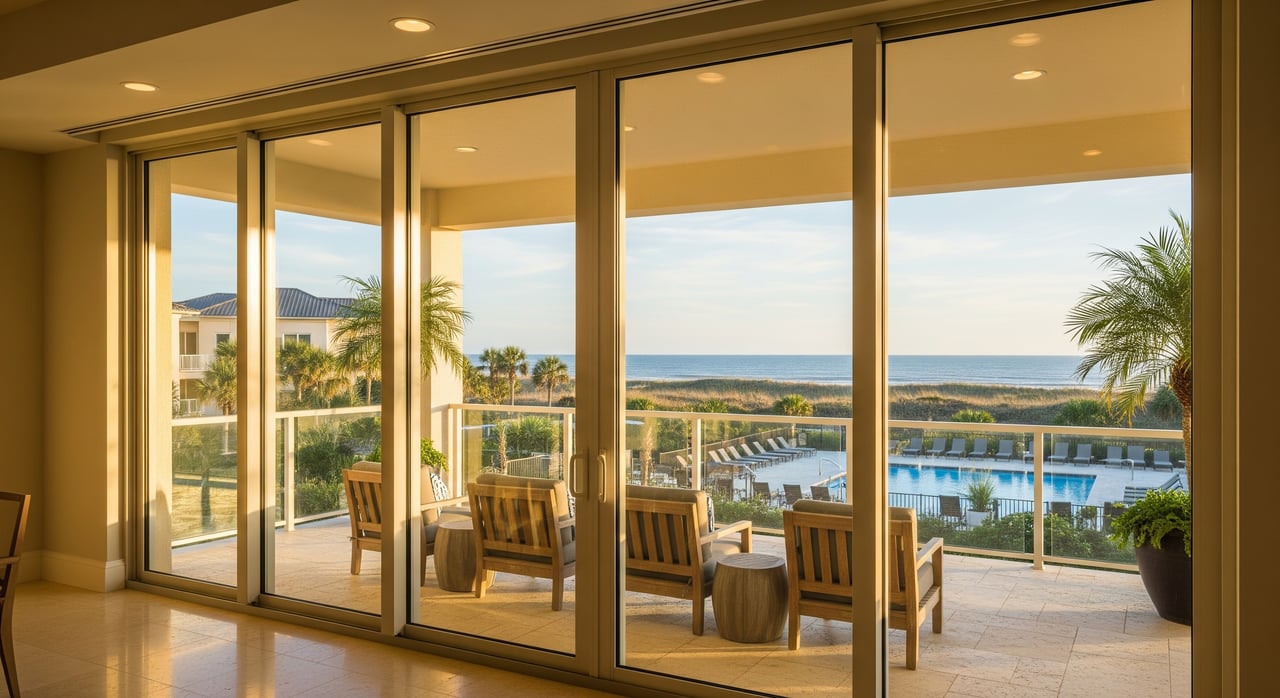
Oceanfront living at Surf Club is hard to beat, but condo insurance here works differently than a single-family home. You want to know where the association’s master policy stops and where your HO-6 should start so you are not surprised after a storm. In this guide you will learn how Florida law shapes coverage, what master policy type your building might use, how HO-6 and flood insurance fit in, and the exact documents to request before you buy or renew. Let’s dive in.
Florida’s Condominium Act requires associations to maintain property insurance on condominium property as originally installed or replacement of like kind and quality, while excluding certain items inside units. The exclusions typically include personal property, floor, wall, and ceiling coverings, appliances, built-in cabinets and countertops, and window treatments. The association’s deductible and damage in excess of coverage may be treated as a common expense in many situations. You can review the framework in Florida’s Condominium Act, Chapter 718.
Your Declaration of Condominium defines the legal boundary of the unit and what the association must insure. Those recorded documents control, even as policies renew or carriers change. Ask the association or property manager for the Declaration and the current master policy declarations page, or check the Surf Club documents page for posted materials.
Surf Club sits on the coast, so wind, hurricane, and flood exposure are part of ownership. Flood is handled separately from standard property insurance. Many condo buildings carry a flood master policy called the RCBAP under the NFIP. Learn what an RCBAP covers in FEMA’s overview of the Residential Condominium Building Association Policy.
Industry sources describe three common master policy structures that determine how much of your interior the association insures. You can see clear definitions in this condo insurance guide to master policy types.
Your HO-6 fills the gaps left by the master policy. A typical condo policy includes the pieces below, with limits tailored to your building and unit finishes. For a plain-English overview, review this consumer guide to condo insurance.
Florida HO-6 policies often include a separate hurricane deductible that is a percentage of the dwelling coverage amount. That can create large out-of-pocket exposure if your association’s hurricane deductible is assessed to owners. Ask your agent how percentage deductibles work and how to size loss assessment coverage, then confirm with the association’s COI. See a Florida-focused explanation of hurricane deductibles in this HO-6 guide for Florida owners.
Standard master policies and HO-6 policies exclude flood. Many condo associations buy the NFIP’s RCBAP, which insures the building for flood up to program limits, including special coinsurance rules. Start with FEMA’s RCBAP summary.
If the association lacks an RCBAP or its limits are not sufficient for lender requirements, your lender may require you to carry an individual NFIP or private flood policy. See how lenders evaluate condo flood coverage in this RCBAP guidance for condo owners and lenders. Always request the association’s flood COI and verify coverage and limits for your specific building and unit.
After an insurable loss, Florida law addresses reconstruction obligations and how deductibles may be handled. In many cases the association’s deductible can be treated as a common expense, unless a specific owner is responsible under the declaration or statute. Review the statutory framework in Chapter 718 of the Florida Statutes. To protect yourself, consider loss assessment coverage on your HO-6 sized to the association’s stated deductibles.
Insurance is part of buying and owning at Surf Club, and clear answers upfront will save you time and stress. If you want help sourcing documents, coordinating with your insurance agent, or evaluating a specific Surf Club building during due diligence, reach out. We know the associations, the coastal risks, and the questions that matter.
For tailored guidance on Surf Club condos and other coastal properties in Palm Coast, connect with Goodman Group Luxury Real Estate.
Stay up to date on the latest real estate trends.

My goal is to not only meet but exceed expectations, ensuring that each real estate journey is as rewarding and stress-free as possible. I am dedicated to providing top-notch service that goes above and beyond. Get in touch today to experience a seamless and fulfilling real estate journey.
4440 N Ocean Shore Blvd, Suite 101 Palm Coast, FL 32137