Surf Club Budget, Reserve & Insurance Review for Lenders
October 16, 2025
October 16, 2025
Buying or selling at Surf Club and wondering why lenders care so much about the HOA budget and insurance? You’re not alone. Financing a condo depends on more than your credit score. Lenders also judge the building’s financial health and risk profile. In this guide, you’ll learn exactly what they look for at Surf Club, how Florida rules come into play, and what you can do to keep a loan on track. Let’s dive in.
Lenders evaluate the operating budget to see whether the association is planning for future repairs and maintaining the property. They look for a consistent allocation to replacement reserves and compare that to recent studies and bank balances. They also scan for special assessments and whether the association relies on them to fund routine needs. These items help lenders gauge future risk to owners and the project’s marketability.
Many lenders use GSE guidance that flags budgets contributing less than about 10 percent of assessments to reserves unless a current reserve study supports a different plan. You may see underwriters ask for either the 10 percent allocation or a recent, credible reserve study that shows equivalent protection. See how this shows up in Fannie Mae’s condo project full review and Freddie Mac’s condo FAQ on reserves.
Florida requires associations to maintain reserves for capital items and to calculate them based on useful life and replacement cost. For buildings three stories or higher, Florida also requires a Structural Integrity Reserve Study (SIRS) on statutory timelines, often coordinated with milestone inspections. Lenders expect to see current studies or proof that reserves meet program standards under Florida Statute 718.112 and the milestone inspection rule in Florida Statute 553.899.
Oceanfront settings like Surf Club bring higher wind and potential flood exposure, so lenders read the insurance fine print. They review the master property policy for coverage scope, valuation basis, deductibles, and carrier strength, and they confirm flood insurance where required. If interior finishes are not covered by the master policy, lenders often require buyers to carry HO‑6 coverage for walls‑in protection.
GSE and FHA rules call for master policies written to replacement cost, not actual cash value. Underwriters typically request the policy declarations and endorsements to confirm required perils and limits. You can find the replacement‑cost expectation in HUD’s condominium approval guidance and Fannie Mae’s master policy requirements.
High wind or named‑storm deductibles are a common reason Florida projects are flagged. As a rule of thumb, Fannie Mae caps the master policy deductible at 5 percent of the policy’s coverage amount for required perils. Multiple deductibles that exceed this for a single loss can be problematic unless certain per‑unit coverage conditions are met. See Fannie Mae’s deductible guidance.
If any part of the project or units fall within a FEMA Special Flood Hazard Area, lenders require flood insurance that meets federal and investor standards. That can include coverage on common elements and, in some cases, unit policies with acceptable forms and limits. Review Fannie Mae’s flood insurance requirements to understand how underwriters size coverage.
A few patterns tend to pause or block loans until resolved:
Getting documents upfront can save weeks in underwriting. Ask the association or manager for:
In 2025, Florida adopted changes designed to add flexibility, including extended timelines, the ability for associations to use lines of credit or loans in certain cases, and narrow conditions to pause or reduce reserve contributions after milestone inspections. These changes can shape an association’s funding plan, which lenders will evaluate alongside investor rules. For a summary of the updates, see the Governor’s office release on relief measures for condo owners here.
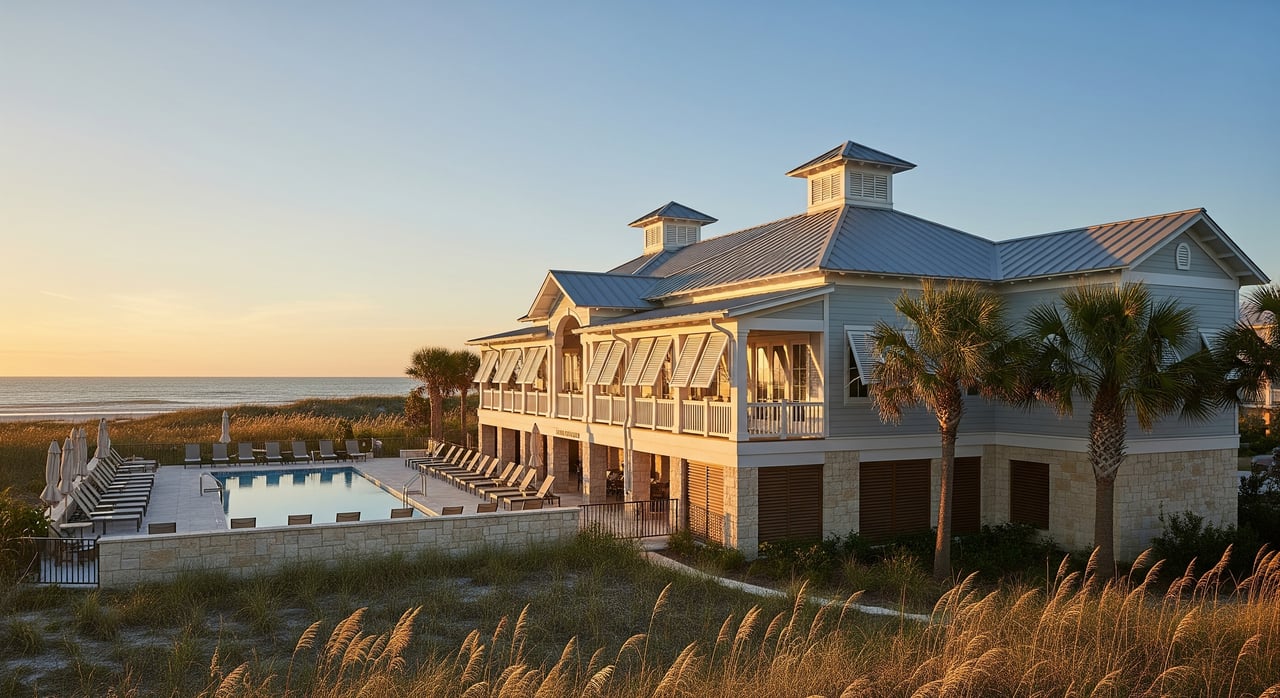
Surf Club’s oceanfront location and building age mean lenders will pay close attention to reserves, inspection reports, and insurance. Public listings indicate the buildings were constructed in the early 1990s, which places them within Florida’s milestone and SIRS timelines if three or more stories. Flood‑zone designations may vary by building and even by stack, so do not assume every unit shares the same requirements. The safest move is to confirm the latest budget, reserve balances, inspection status, and insurance before you list or write an offer.
Ready to move forward with confidence at Surf Club? Let’s review the right documents early, coordinate with your lender, and position your purchase or sale to sail through underwriting. For tailored guidance and hyperlocal insight, connect with Goodman Group Luxury Real Estate.
Stay up to date on the latest real estate trends.



My goal is to not only meet but exceed expectations, ensuring that each real estate journey is as rewarding and stress-free as possible. I am dedicated to providing top-notch service that goes above and beyond. Get in touch today to experience a seamless and fulfilling real estate journey.

4440 N Ocean Shore Blvd, Suite 101 Palm Coast, FL 32137