Thinking about a home in Hammock Dunes but not sure how the HOA works? You are not alone. This private, oceanfront community in Palm Coast blends single-family neighborhoods, villas, and luxury condos, and each can have different rules, fees, and responsibilities. The good news is you can make a confident offer once you understand the basics.
In this guide, you will learn how Hammock Dunes associations are structured, what documents to review, how fees and insurance work, and the key due-diligence steps that protect you. Let’s dive in.
What makes Hammock Dunes unique
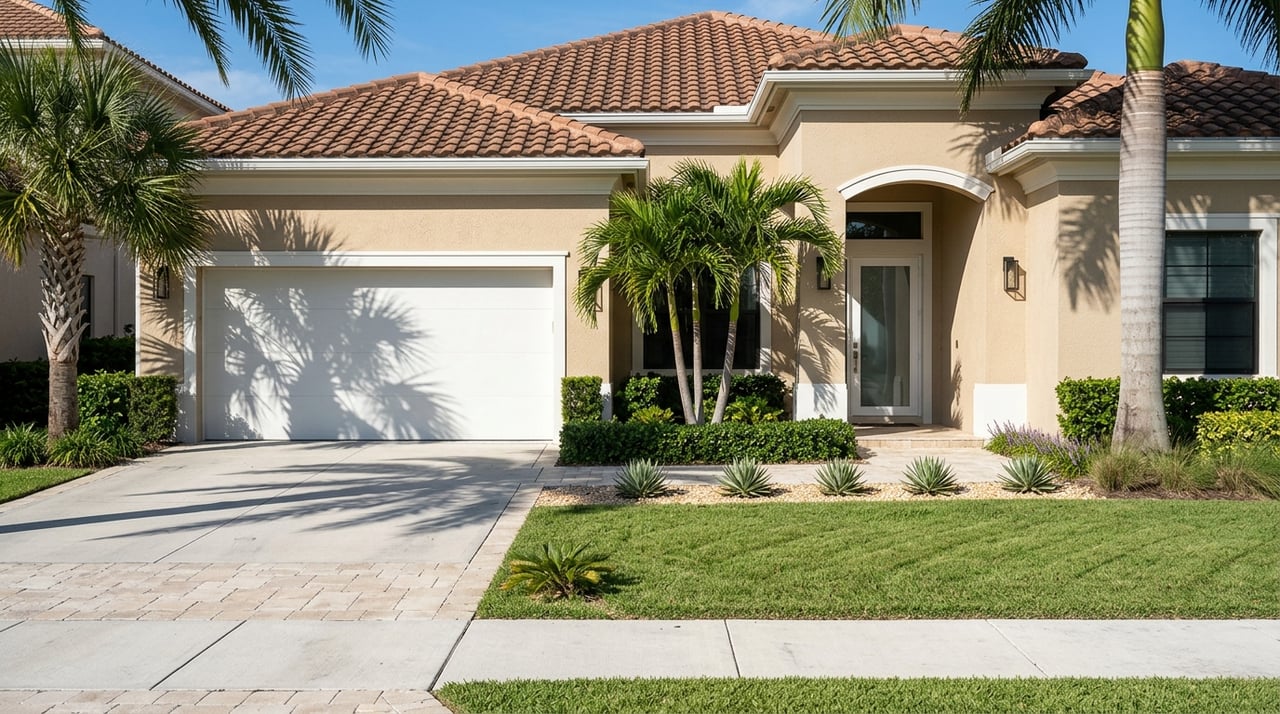
Hammock Dunes is a gated, amenity-rich coastal community in Flagler County. Properties may be part of one or more associations, and some have optional or mandatory private club access. Your exact obligations depend on the address and property type.
Ownership types you will see
- Single-family homes regulated by a homeowners association (HOA)
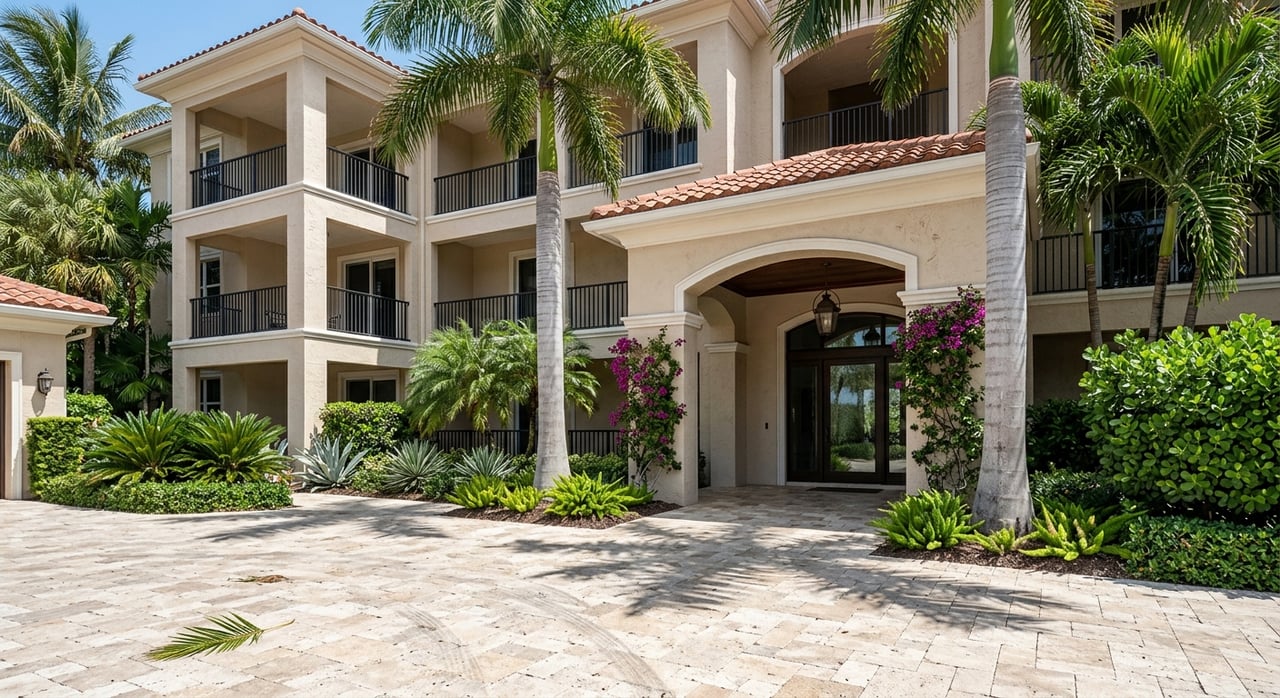
- Condominiums governed by a condominium association
- Villas or townhomes that may follow HOA or condo rules
- Optional or mandatory private club membership that is separate from the HOA
Amenities to confirm for your address
- Guarded gates and entry controls
- Beach access and dune or seawall management
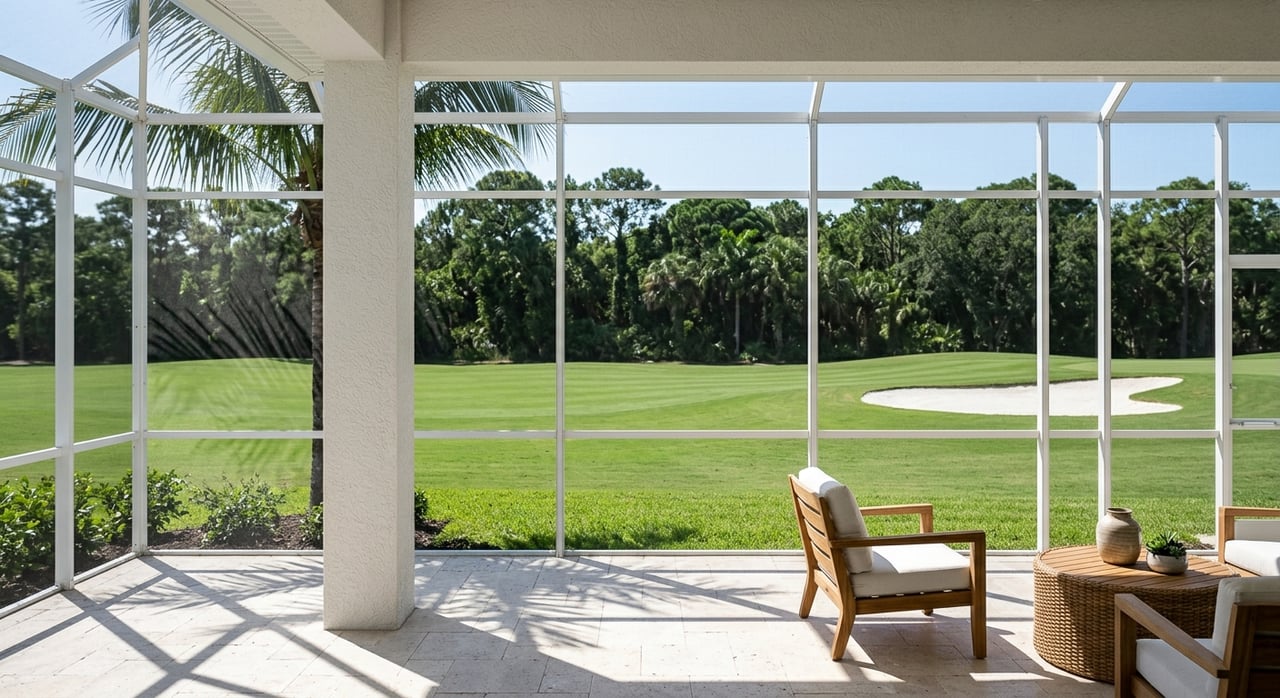
- Pools, tennis or pickleball courts, and walking paths
- Golf and clubhouse services managed by the club
- Private streets and landscaping
Not every home has access to every amenity. Always verify what applies to your specific parcel before you write an offer.
Know your governing structure
Hammock Dunes can include a master association, sub-associations, and independent club organizations. Your goal is to map out exactly who governs your property and how they interact.
Master and sub-associations
- Some addresses pay assessments to a master association and a sub-association or condo association.
- Confirm which layers apply and how each fee is used.
HOA vs private club
- The HOA handles property use, common areas, gates, and standards.
- The private club covers golf, tennis, fitness, and dining. Membership terms, dues, and rules are set by the club, not the HOA. Some properties have mandatory club membership while others do not.
Management and contacts
- Identify whether the association uses onsite management or a third-party company.
- Get the correct contact for resale documents and estoppel certificates early in your process.
The documents you must review
Florida associations are governed by state statutes that depend on the property type. Condominiums follow Chapter 718, cooperatives follow Chapter 719, and homeowners associations follow Chapter 720. No matter the structure, you should request and review these items during your contingency window:
- Declaration of Covenants, Conditions and Restrictions or the condominium declaration
- Articles of incorporation and bylaws
- Rules and regulations, plus ARC or ACC architectural guidelines
- The last 12 to 24 months of association meeting minutes
- Current budget, recent audited or reviewed financial statements, and the reserve study
- Accounts receivable aging report and recent tax returns when available
- Insurance policy declarations for the master policy and a summary of coverage
- Any notices of pending or recent special assessments
- Litigation disclosures or judgments
- Resale or estoppel certificate that states assessment amounts, delinquencies, and fees
Tip: Ask for these early. You will need time to read, ask questions, and adjust your offer or contingencies if needed.
Understanding fees and assessments
Association costs vary based on the property type and governing structure. Focus on what you pay, what it covers, and how well the association plans for long-term projects.
Regular assessments
- Billed monthly, quarterly, or annually
- May cover security, landscaping, irrigation, road and gate maintenance, pool upkeep, pest control for common areas, management, and reserves
- Condo associations usually include some exterior insurance for the building’s common elements
Master vs sub-association fees
- Some owners pay to more than one association
- Confirm payment schedules and how each budget is allocated
Special assessments
- Used for large repairs or capital projects such as seawalls, dune restoration, roof work, or structural repairs
- Review recent meeting minutes and budgets for any planned projects or early warnings
Club dues and one-time fees
- Club membership, if applicable, may include initiation fees and ongoing dues
- These charges are separate from HOA assessments and follow club documents
Transfer and application fees
- Many Florida associations charge transfer fees, application fees, or move-in deposits
- Your purchase contract should spell out who pays what at closing
Reserves and capital planning
- Ask for the reserve study and funding schedule
- Coastal communities face higher costs for seawalls, beach access structures, and dune management
- Watch for deferred maintenance and how the association plans to pay for major work
Rules and restrictions to confirm
Every association has standards to protect property values and community operations. Review them before you commit, so there are no surprises after closing.
Architectural and exterior controls
- Understand ARC approval steps and timelines
- Check rules for paint colors, roofing materials, solar panels, shutters, landscaping, and fencing
- Confirm whether past changes at the property were properly approved
Rental and occupancy policies
- Ask about minimum lease terms, caps on the number of rentals, and registration requirements
- Verify whether short-term rentals are allowed and whether any city or county rules apply
Pets, parking, and storage
- Review pet limits, leash rules, and waste policies
n- Confirm guest parking rules and whether on-street parking is restricted
- Check whether boats, RVs, and trailers must be stored off-site
Access, gates, and security
- Learn guest registration procedures and delivery access
- Ask about gate staffing and hours since this can affect day-to-day convenience and costs
Maintenance responsibilities
- Condos: the association typically handles exterior and common elements; owners cover interiors and limited common elements defined in the declaration
- Single-family HOAs: responsibilities vary for roof, exterior paint, lawn care, irrigation, and seawalls; confirm what the HOA covers vs the owner
Coastal and environmental items
- Dune and beach access rules protect sensitive areas
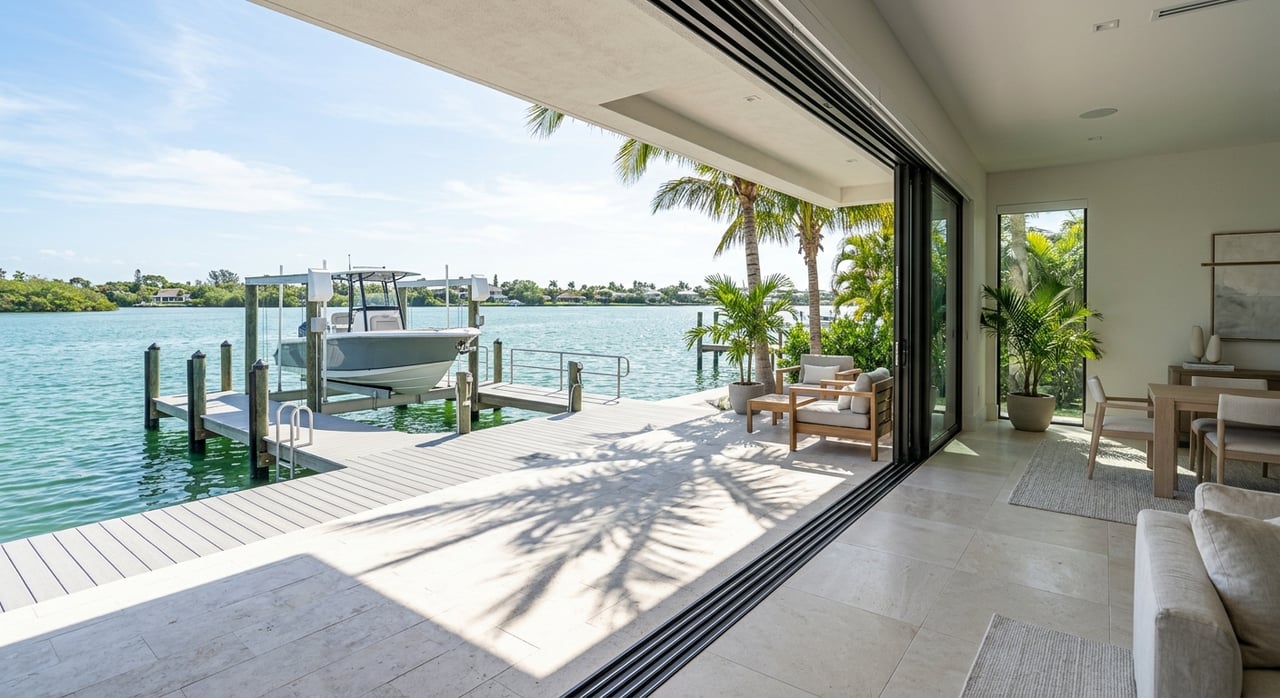
- Seawall and shoreline responsibilities may fall on the association, the owner, or both
- Environmental permits can affect repair timelines and costs
Insurance and coastal risk in Palm Coast
Insurance is a major factor for coastal Florida buyers. Get quotes early and understand how association coverage interacts with your personal policy.
Association vs owner policies
- Condos: the association’s master policy covers common elements and certain structural components based on the policy type; unit owners generally need an HO-6 policy for interiors, personal property, loss of use, and personal liability
- Single-family HOAs: the association insures common areas; owners usually carry an HO-3 policy and may need wind or hurricane endorsements
Request the association’s declarations page so you know what is and is not covered.
Flood, wind, and hurricane exposure
- Check FEMA Flood Insurance Rate Maps and your property’s elevation certificate
- If you are in a Special Flood Hazard Area such as AE or VE, a lender will typically require flood insurance
- Understand wind and hurricane deductibles, often listed as a percentage of dwelling coverage
Market conditions
- Florida’s insurance market has been volatile, which can affect premiums and deductibles
- Work with a local insurance broker who knows coastal risks and current carrier options
Resale process and timing
Plan your timeline around association approvals and required documents. Many issues can be resolved if you start early.
Resale or estoppel certificate
- Confirms current assessments, delinquencies, pending special assessments, and fees due at closing
- Order this early and review it before you waive contingencies
Transfer and application steps
- Expect application forms, background checks in some cases, and access setup for gates and amenities
- Ask about move-in deposits or scheduling requirements
Title, liens, and violations
- Your title company should check for recorded association liens or judgments
- Confirm whether any HOA violations or fines must be cleared before closing
- Make sure the contract allocates responsibility for fines, fees, and special assessments
Buyer due-diligence checklist
Use this quick list to stay organized from offer to closing.
- Identify the exact association or associations that govern your address
- Request governing documents, rules, ARC standards, budget, financials, and reserve study
- Obtain and review the resale or estoppel certificate for fees and assessment status
- Read 12 to 24 months of meeting minutes to spot upcoming capital projects and rule changes
- Confirm what the HOA maintains vs what the owner must maintain, including seawalls and irrigation
- Get the association’s insurance declarations page and obtain owner policy quotes
- Verify flood zone status and get a flood insurance quote and elevation certificate if needed
- Check parking, boat storage, docking rights, and short-term rental policies if relevant to your plans
- Ask about any pending litigation and recent or upcoming special assessments
- Ensure all transfer and application fees are identified and assigned in your contract
- Coordinate gate access, badges, and clubhouse setup prior to closing
Local resources to consult
- Hammock Dunes association websites and the Hammock Dunes Club for rules, dues, and contacts
- Flagler County Property Appraiser for parcel and tax data
- City of Palm Coast and Flagler County government sites for permits, utilities, and rental regulations
- FEMA Flood Map Service Center for flood zones and elevation guidance
- Florida Statutes Chapters 718, 719, and 720 for association rights and obligations
- Community Associations Institute for general best practices on governance and reserves
- Local title companies, Florida real estate attorneys, and insurance brokers for specialized guidance
How Goodman Group supports your purchase
Buying in a layered coastal community takes precision. You want clear answers on rules, fees, reserves, insurance, and timelines before you risk your escrow. As a boutique Palm Coast brokerage, we help you identify the exact association structure tied to your address, source and organize the right documents, and connect you with trusted local title and insurance professionals. You stay focused on your goals while we track the details that protect your investment.
If you are also planning to sell before you buy, we provide a fast, data-backed value range and marketing plan so you can move with confidence.
Ready to explore Hammock Dunes with a clear plan? Connect with Goodman Group Luxury Real Estate to review documents, map your fees, and set up a smart, low-stress path to closing. Get Your Instant Home Valuation.
FAQs
What should a Hammock Dunes buyer review first?
- Start with the declaration and rules, the current budget and reserve study, the last 12 to 24 months of meeting minutes, and the resale or estoppel certificate.
How do Hammock Dunes HOA fees typically work?
- Fees vary by property type and may include security, landscaping, common-area maintenance, reserves, and management costs. Some homes pay both master and sub-association fees.
Are short-term rentals allowed in Hammock Dunes?
- Policies differ by association. Confirm minimum lease terms, caps, and any city or county registration rules before you buy.
Who maintains seawalls and dune areas for coastal homes?
- Responsibilities can fall to the association, the owner, or both. Check governing documents, meeting minutes, and budgets for maintenance plans and funding.
What insurance do I need for a Hammock Dunes condo vs a home?
- Condo owners typically carry an HO-6 policy to cover interiors and personal property, while single-family owners carry an HO-3 policy. Review the association’s master policy to see what is already covered.
What is an estoppel or resale certificate and why does it matter?
- It discloses assessments, delinquencies, pending special assessments, and required fees so you know your costs and can close without surprises.
Can the HOA place a lien or foreclose for unpaid assessments?
- Yes. Florida associations generally have the right to lien and pursue foreclosure for unpaid assessments. Verify that the seller is current and review the estoppel before closing.