Thinking about making Flagler Beach your coastal home base? You’re not alone. The city’s laid‑back vibe, walkable beachfront, and small‑town feel are big draws, but living on the Atlantic comes with unique costs. You want a clear picture before you buy or rent so you can plan with confidence.
In this guide, you’ll learn what drives the cost of living in Flagler Beach, how housing, taxes, insurance, and utilities stack up, and practical ways to manage expenses. You’ll also find trusted sources for current figures and a simple worksheet to estimate your monthly budget. Let’s dive in.
Housing costs in Flagler Beach
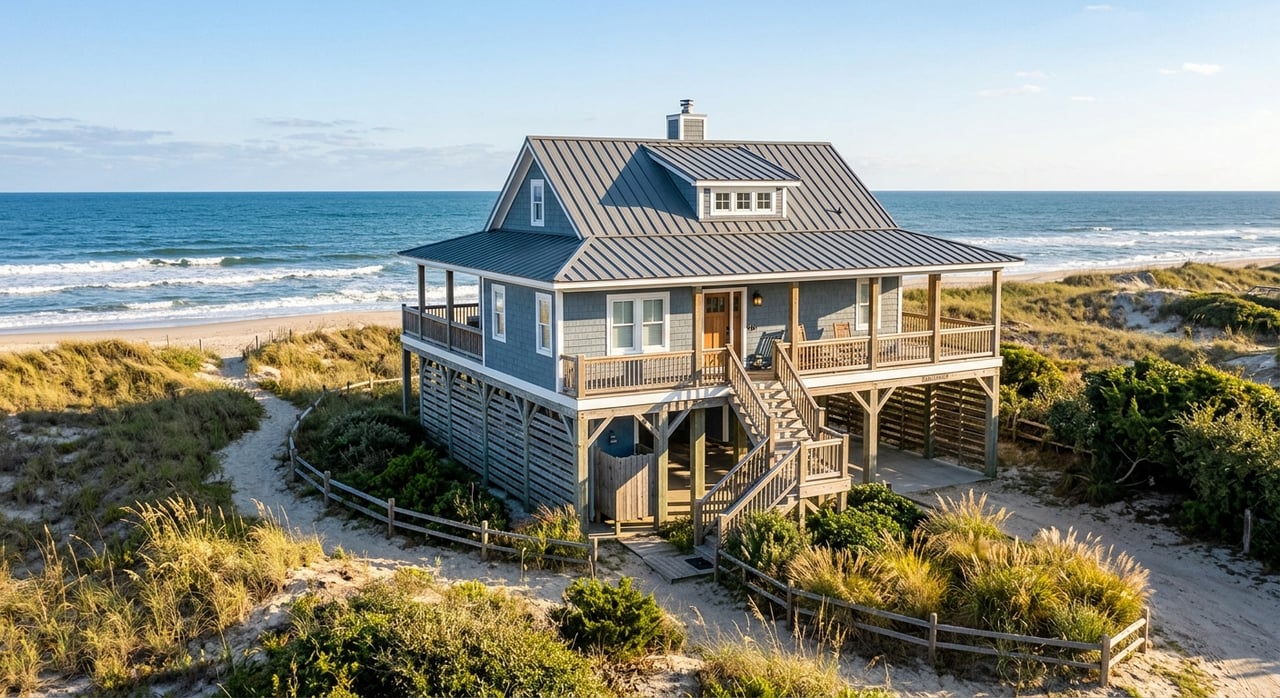
Flagler Beach is a small coastal city, so housing is the main cost driver. Oceanfront and near‑beach homes usually carry a coastal premium because supply is limited and demand is steady from full‑time residents, second‑home buyers, and vacation renters. Inventory ebbs and flows with the season, and condos can offer a lower entry point than single‑family oceanfront homes.
If you’re comparing nearby options, Palm Coast tends to offer more suburban inventory at a wider range of prices, while St. Augustine’s historic core and beach areas often command higher premiums. Daytona Beach provides more scale and condo choices. Within Flagler Beach, oceanfront, near the pier, and inlet‑area homes typically price higher than inland residential blocks closer to the Intracoastal.
For the latest snapshot on incomes, household mix, and commute data that influence affordability, review the U.S. Census QuickFacts for Flagler County. The QuickFacts page provides updated context you can pair with live MLS pricing when you’re ready to tour homes. You can browse county‑level income and housing characteristics on the Census QuickFacts page for Flagler County.
Property taxes and assessments
Florida does not have a state income tax, which many buyers view as a long‑term advantage. Property taxes are set locally. Your annual bill depends on the property’s assessed value and the total millage rates levied by the county, city, and special districts.
- Where to verify rates and exemptions: Check the Flagler County Property Appraiser for millage, assessments, and parcel lookups. For county budgets and adopted millage by year, review Flagler County government.
- Homestead benefits: If the property is your primary residence, Florida’s homestead exemption can reduce your taxable value, and the Save Our Homes cap limits annual increases in assessed value for homesteaded property. Get details and how to apply from the Florida Department of Revenue.
Sample tax estimate method:
- Assessable value × total millage (in mills) − applicable exemptions = estimated annual property tax.
Tip: If you’re moving from out of state, ask about Save Our Homes portability to transfer capped value benefits from a previous Florida homestead.
Insurance: homeowners, wind, and flood
Insurance is a key part of coastal living costs. In Florida, availability and premiums can shift, especially after major storms.
- Homeowners market: For statewide trends, filings, and regulatory updates, follow the Florida Office of Insurance Regulation. Coastal properties often include separate hurricane or windstorm deductibles.
- Flood risk: Lenders typically require flood insurance for homes in higher‑risk FEMA flood zones. Check a property’s FEMA zone and base flood elevation using the FEMA Flood Map Service Center. Flood premiums vary by elevation, distance from water, and construction type. NFIP and private flood options may be available.
- What drives cost: Location and elevation, roof age and shape, opening protection (impact windows/shutters), and building updates all influence premiums. Ask for wind‑mitigation credits and document recent upgrades.
Pro tip: Get homeowners and flood quotes during your inspection period so you can confirm total monthly costs before you finalize your offer.
Utilities and monthly services
Air conditioning is a major line item in Florida’s humid climate. Electricity usage spikes in summer and moderates in winter.
- Electricity: Track state residential price trends with the U.S. Energy Information Administration. Your bill depends on home size, insulation, thermostat settings, and equipment efficiency.
- Water, sewer, trash: Flagler Beach and Flagler County provide municipal service in most areas. Single‑family homes often pay usage plus base fees. Condos may include water, sewer, and trash in HOA dues. Verify inclusions before you buy.
- Internet: Broadband is widely available in the beach corridor and inland blocks. Compare download speeds and pricing across providers for remote work needs.
Budget tip: Ask sellers for 12 months of electric and water bills to estimate seasonal averages for your specific home.
Transportation and healthcare access
Most residents rely on a car. You have quick access to I‑95, and regional airports are reachable by car. Commute patterns and car ownership costs affect monthly budgets, especially if you work outside the city.
- Labor and commute data: See county‑level employment and commute statistics through the Bureau of Labor Statistics and the Census QuickFacts for Flagler County.
- Healthcare: Local clinics and specialty providers serve the area, with hospital access through Flagler Health+. Healthcare spending varies by household and insurance plan.
Income, jobs, and affordability
Flagler County’s economy includes tourism, healthcare, retail, and construction, with some remote workers choosing the coast for lifestyle. Income and employment trends shape affordability, especially for first‑time buyers and retirees.
Affordability concepts to watch:
- Price‑to‑income ratio: Compare current listing or sale prices to household income.
- Housing cost burden: Lenders and planners often flag spending above 30 percent of gross income on housing as a higher burden.
Short‑term rentals and seasonality
Flagler Beach’s vacation appeal can lift demand and pricing, particularly for ocean‑adjacent condos and homes. If you plan to invest or offset costs with short‑term rentals, check local rules before you buy.
- Regulations and resources: Start at the City of Flagler Beach for ordinances and permitting. Occupancy and revenue vary by location, season, and property type; use professional data from reputable STR analytics and local property managers.
What it might cost each month: a simple worksheet
Use this framework to estimate your monthly housing budget. Plug in live numbers from your lender, insurer, and utility providers.
- Mortgage principal and interest: Based on purchase price, down payment, and your quoted interest rate.
- Property tax: Annual estimate divided by 12. Use the Flagler County Property Appraiser and, if eligible, apply the homestead exemption via the Florida Department of Revenue.
- Homeowners insurance: Annual premium divided by 12. Add windstorm and hurricane deductibles to your risk plan.
- Flood insurance: Annual premium divided by 12 if required by your lender or chosen for peace of mind. Verify FEMA zone on the FEMA Map Service Center.
- Utilities: Average electric, water, sewer, and trash, plus internet. Check electric price trends on the EIA.
- HOA or condo dues: Note what’s included, such as water or internet.
Monthly housing total = Items 1 through 6.
Smart ways to manage costs
Here are practical steps to keep surprises in check and improve long‑term affordability.
Buyer checklist
- Get early quotes for homeowners, wind, and flood. Confirm wind‑mitigation credits for roof, straps, and impact protection.
- Pull the FEMA flood map and ask for an elevation certificate. Consider homes outside higher‑risk zones to reduce premiums.
- Request 12 months of utility bills to map seasonal peaks and averages.
- Verify HOA or condo coverage. If water, trash, and internet are included, your monthly variable costs may be lower.
- Plan your homestead filing and ask about Save Our Homes portability if moving within Florida.
Seller checklist
- Highlight recent mitigation upgrades: roof age, impact windows, shutters, and any four‑point or wind‑mitigation reports.
- If marketing to investors, provide credible short‑term rental performance data and a copy of relevant permits.
- Share typical monthly utility ranges and HOA inclusions to help buyers budget confidently.
The bottom line
Living in Flagler Beach means leaning into the coastal lifestyle while planning for the realities of insurance, property taxes, and summer utility bills. With the right property and a clear budget, you can enjoy the oceanfront energy without financial surprises. Use the sources above for current figures, and lean on a local advisor who understands how neighborhood, elevation, and construction details affect your costs.
Ready to run the numbers on a specific property or compare beachside vs inland options? Connect with Goodman Group Luxury Real Estate for a personalized cost‑of‑living plan, neighborhood insights, and negotiation strategy. For next steps and a quick pricing pulse, visit Unknown Company to Get Your Instant Home Valuation.
FAQs
How do Flagler Beach home prices compare to Palm Coast?
- Flagler Beach often carries a coastal premium due to limited beachfront inventory and vacation demand, while Palm Coast offers more suburban options at a wider range of prices. Use live MLS data and Census income context at Flagler County QuickFacts.
What will my property tax bill be in Flagler County?
Do I need flood insurance for a Flagler Beach home?
- Lenders typically require it in higher‑risk FEMA zones. Check a property’s flood zone and elevation on the FEMA Flood Map Service Center and compare NFIP with private quotes.
Are utilities expensive in coastal Florida homes?
- Electricity is the big variable due to air conditioning. Review state residential rates on the U.S. Energy Information Administration, then ask for 12 months of bills to estimate your home’s seasonal usage.
What’s happening with Florida homeowners insurance right now?
- Availability and premiums can shift after major storms and regulatory changes. Monitor statewide trends and market updates through the Florida Office of Insurance Regulation, and get property‑specific quotes during your inspection period.
Where can I see local jobs and wages to gauge affordability?