St. Augustine Condo vs Townhome: How to Decide
November 21, 2025
November 21, 2025
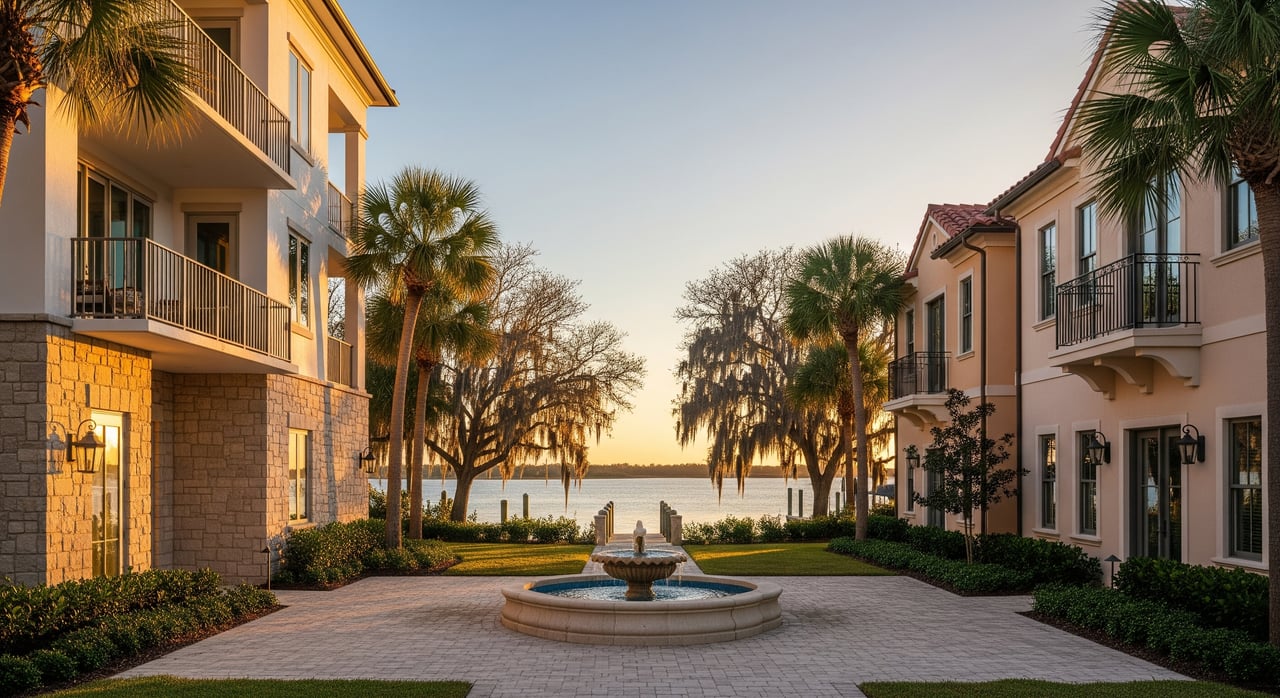
Trying to choose between a condo and a townhome in St. Augustine? You are not alone. With coastal charm, historic streets, and a mix of newer planned communities, the right fit depends on how you want to live, what you want to maintain, and how you plan to finance and insure your home. In this guide, you will learn the practical differences, true costs, local risks like flood exposure, and what to review before you buy or sell. Let’s dive in.
A condominium owner typically owns the interior of the unit and a shared interest in common elements, such as the roof, exterior walls, grounds, and amenities. The condominium association manages those common elements under Florida Statutes Chapter 718. The association carries a master insurance policy for the common areas and may insure building exteriors, while you usually carry an HO-6 policy for the interior and contents.
Many townhomes in St. Johns County are fee-simple. You own the structure and the land under it. Common areas, if any, are maintained by a homeowners’ association that follows Florida Statutes Chapter 720. In fee-simple communities, you may be responsible for insuring the entire dwelling, similar to a single-family home, unless the HOA documents say otherwise. Some attached townhomes are legally structured as condos, so always check the recorded documents.
Condo fees often run higher because they may include exterior building maintenance, landscaping, amenities, management, and reserves. Townhome fees can be lower if you handle your own exterior maintenance. Fees vary by community. The only way to compare fairly is to study the association budget and the most recent reserve study.
Flood risk is a key cost factor around Anastasia Island, Vilano Beach, and other coastal areas. Flood insurance is separate from typical homeowner and condo policies. Association flood policies rarely cover your personal contents. Verify your flood zone through FEMA maps and ask for any available elevation certificate. Get quotes early to understand the full cost.
Property taxes are assessed the same way for condos and townhomes. If you make the property your primary residence, you can apply for Florida’s homestead exemption and Save Our Homes benefits, when eligible.
Both condos and HOAs can levy regular and special assessments. In older coastal buildings, roof, balcony, and façade projects can add significant one-time costs. Review the last two to three years of budgets, reserve studies, and meeting minutes. Ask directly about planned capital projects.
Lenders look closely at condos. They want healthy association finances, adequate reserves, and acceptable owner-occupancy ratios. Projects with litigation or major deferred maintenance can limit loan options or raise rates. If you plan to finance, confirm the condo’s eligibility with your lender early in the process.
Fee-simple townhomes typically follow single-family lending standards and can be easier to finance. That said, lenders still review HOA health and restrictions. Get prequalified with a lender who understands St. Augustine’s coastal and multifamily nuances.
You may find smaller condo options close to restaurants, galleries, and historic sites. This area often attracts buyers who prioritize walkability and low-maintenance living. Review parking policies, noise considerations, and association rules before you commit.
Many condo and townhome communities sit near the beach. Flood exposure, salt corrosion, and windstorm coverage are important cost drivers. Review roof age, balcony conditions, and any recent hurricane-related repairs noted in association minutes.
Areas such as Palencia and World Golf Village feature townhomes and amenities like pools, trails, and club access. These neighborhoods often appeal to longer-term residents who want a community setting with managed common spaces. Confirm HOA coverage for exterior maintenance and community rules.
Short-term rentals are part of the local economy, but rules vary. City and county regulations set registration and tax requirements for transient lodging. Associations can be stricter than local rules. Before you rely on rental income, confirm:
Use this list to avoid surprises and make a confident decision:
Legal structure
Association and financials
Insurance
Property condition
Lending and intent to rent
If you are torn between a condo and a townhome in St. Augustine, start by clarifying your maintenance preferences, insurance tolerance, and financing plan. Then compare two or three target communities side by side using budgets, reserve studies, insurance summaries, and flood data. When you are ready, get prequalified with a local lender who understands coastal properties and secure quotes for homeowner and flood insurance to confirm your true monthly cost.
You do not have to navigate this alone. For a calm, strategic path to the right coastal home, reach out to Goodman Group Luxury Real Estate for local guidance and to Get Your Instant Home Valuation.
Stay up to date on the latest real estate trends.
My goal is to not only meet but exceed expectations, ensuring that each real estate journey is as rewarding and stress-free as possible. I am dedicated to providing top-notch service that goes above and beyond. Get in touch today to experience a seamless and fulfilling real estate journey.
5182 N OCEAN SHORE BLVD UNIT C PALM COAST FL 32137