Best Time To List In Palm Coast Plantation

December 18, 2025

Is there really a “best month” to sell in Palm Coast Plantation? Timing matters here more than most places because buyer traffic shifts with the seasons and travel patterns. If you want top price, smooth logistics, and the right buyers walking through your door, planning your launch window is worth it. In this guide, you’ll learn when demand peaks, how weather and buyer types play into timing, and how to prep your home so you make the most of the market. Let’s dive in.

What “best time” means locally

Palm Coast Plantation sits within a coastal market that moves in cycles. You will see two reliable demand waves each year. The first is late winter to spring. The second is fall into early winter. Summer tends to be slower, especially during peak hurricane months.

  • Strongest demand: Feb to Apr. More relocating and out‑of‑town buyers are touring, which can mean more showings and stronger pricing power.
  • Second window: Oct to Jan. Seasonal residents often shop then. Inventory can be lighter, which may support faster sales for the right property.
  • Slower pace: Jun to Sep. Heat, humidity, and storm risk reduce casual visits. Buyers who are active are usually motivated locals or investors.

The “best” time is also about your goals. If you want the widest buyer pool, plan for spring. If your home appeals to seasonal residents, fall and early winter can be excellent. If your move is tied to school calendars, late spring to early summer can align with family timelines.

Season-by-season playbook

Late winter to spring (Feb to Apr)

This is often the prime listing window. More buyers are in town, and online traffic surges.

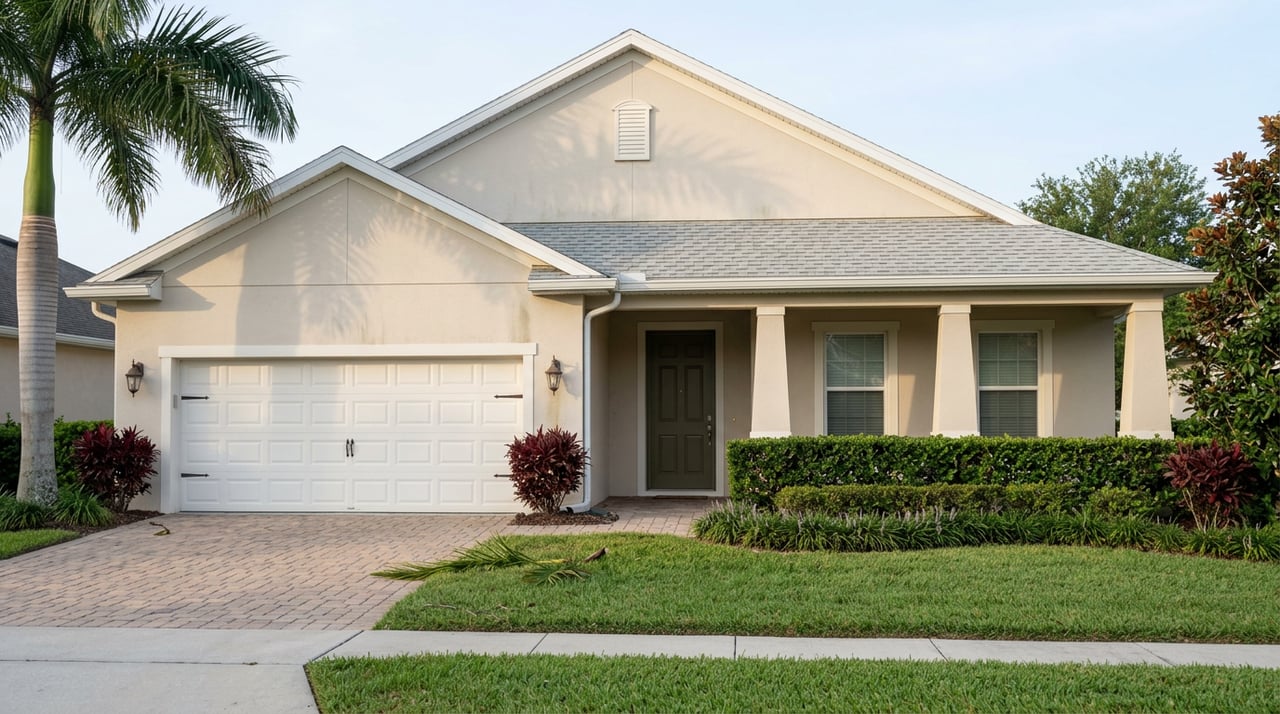
  • Focus on curb appeal: fresh landscaping, clean exterior, and power‑washed walkways.
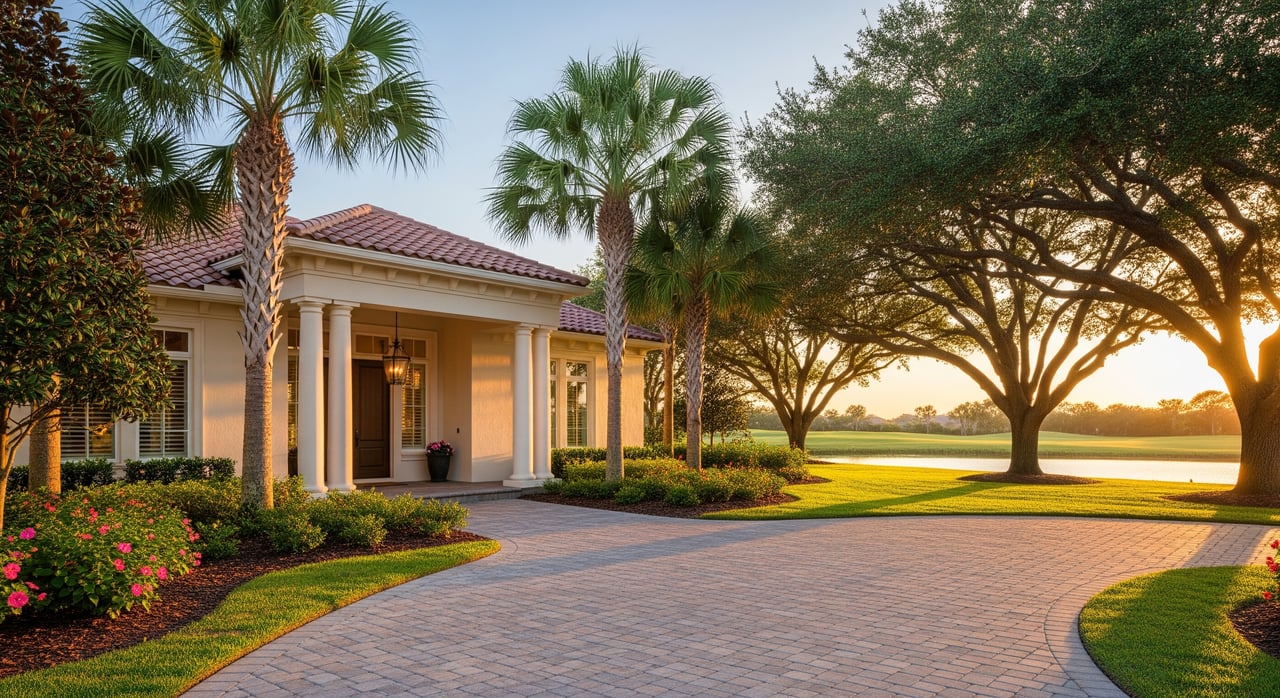
  • Use professional photography and consider twilight shots to showcase outdoor living.
  • Keep showings flexible in the first two weeks to capture peak activity.
  • Price competitively to drive early momentum and potential multiple offers.

Fall to early winter (Oct to Jan)

This window attracts seasonal residents and retirees who want to spend winters in Florida.

  • Spotlight low‑maintenance features, hurricane shutters or impact windows, and HOA services.
  • Market to out‑of‑state prospects with high‑quality visuals and clear amenity highlights.
  • If listing in December, consider a brief pause around major holidays, while staying open to motivated buyers who are still touring.

Summer and hurricane season (Jun to Sep)

Expect fewer showings and more weather considerations.

  • Target local and investor buyers who shop year‑round.
  • Maintain cool, dry interiors during showings. Have HVAC service records ready.
  • Discuss hurricane contingency language in your contract and timing for inspections.
  • Be realistic on pricing and consider incentives if you need to move quickly.

Holidays and major events

Thanksgiving, Christmas, and New Year’s weeks are usually slower. If you go live then, plan for reduced showings and consider alternate launch dates to maximize your first two weeks on market.

Match timing to your buyer

Families aiming for summer move

Families often prefer to move when school is out. Listing in late spring to early summer can help you capture buyers who want to close and settle before late August.

Seasonal residents and retirees

Seasonal buyers are typically active from October through March. If your home offers easy maintenance and strong community amenities, this window can be ideal.

Investors and second‑home buyers

These buyers look year‑round but may hunt for value in slower months. If you list in summer, tighten up maintenance and be open to creative terms that keep your net strong.

Local factors to check before you list

Market data to pull with your agent

  • Recent comparable sales from the last 30 to 90 days in Palm Coast Plantation and nearby communities.
  • Current active and pending listings to gauge competition and months of inventory.
  • Median days on market and price per square foot for homes like yours.
  • Month‑by‑month showing and offer trends for the past two to three years.
  • Absorption rate to understand the pace of sales at your price point.

Documents and timelines to prepare

  • HOA and resale documents. Some items take time to gather and can affect closing dates.
  • Seller’s Property Disclosure. Completing this early helps avoid delays.
  • Homestead exemption and property tax timing. Verify current deadlines with the county if you plan to buy again in Florida.
  • If primary residence tax rules apply to you, consult a CPA to understand timelines.

Condition and weather‑sensitive prep

  • Verify the condition of roof, windows, doors, HVAC, plumbing, and septic if applicable.
  • Address any salt‑air corrosion on exterior metals and pool equipment.
  • Consider a pre‑listing inspection to catch moisture or HVAC issues that can derail negotiations.

Pricing and offers by season

Spring pricing for competition

With more buyers and more listings, your strategy should balance visibility and value. Consider pricing at a market‑competitive number to generate early showings. The goal is to create healthy interest in the first two weeks when momentum is strongest.

Slower‑month strategy

If you list during summer, expect fewer showings and potentially longer days on market. You can use incentives to widen your pool, such as closing cost help or a rate buydown. Stay flexible on timing to keep serious buyers engaged while protecting your bottom line.

A practical 8–12 week timeline

8–12 weeks out

Start with the essentials. Order any needed repairs, gather HOA documents, and begin decluttering. If you plan a pre‑listing inspection, schedule it now so you have time to address findings.

4–6 weeks out

Finish repairs and deep cleaning. Freshen landscaping and schedule professional photography and video. Compile warranties, service records, and receipts, especially for HVAC and roof work.

1–2 weeks out

Finalize pricing and launch strategy with your agent. Prepare MLS remarks that highlight community amenities and lifestyle features. Confirm showing instructions and open house plans.

Listing launch

Be ready for strong interest in the first two to three weeks. Keep the home show‑ready, and plan for quick responses to inquiries and feedback. Early momentum drives results.

After offers

Know your preferred closing timeline and what contingencies you are comfortable with. HOA documents can influence timing, so plan ahead and communicate clearly with buyers.

Year‑round staging that sells the lifestyle

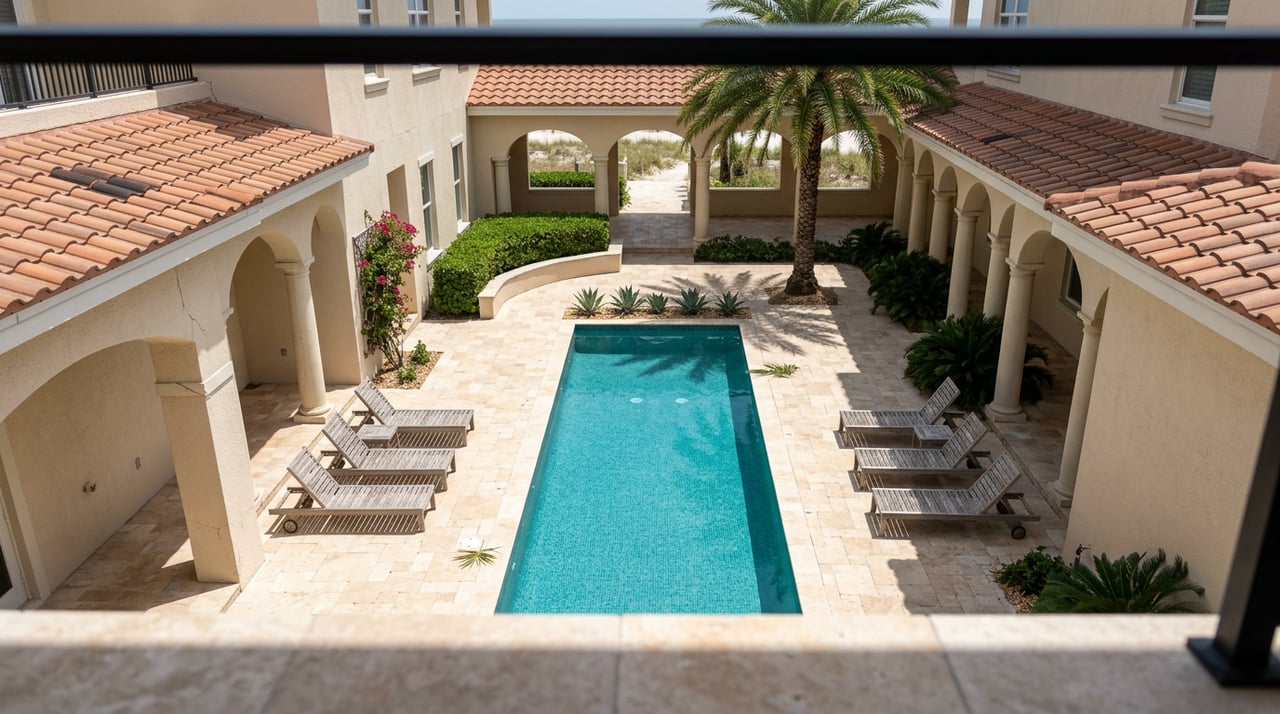
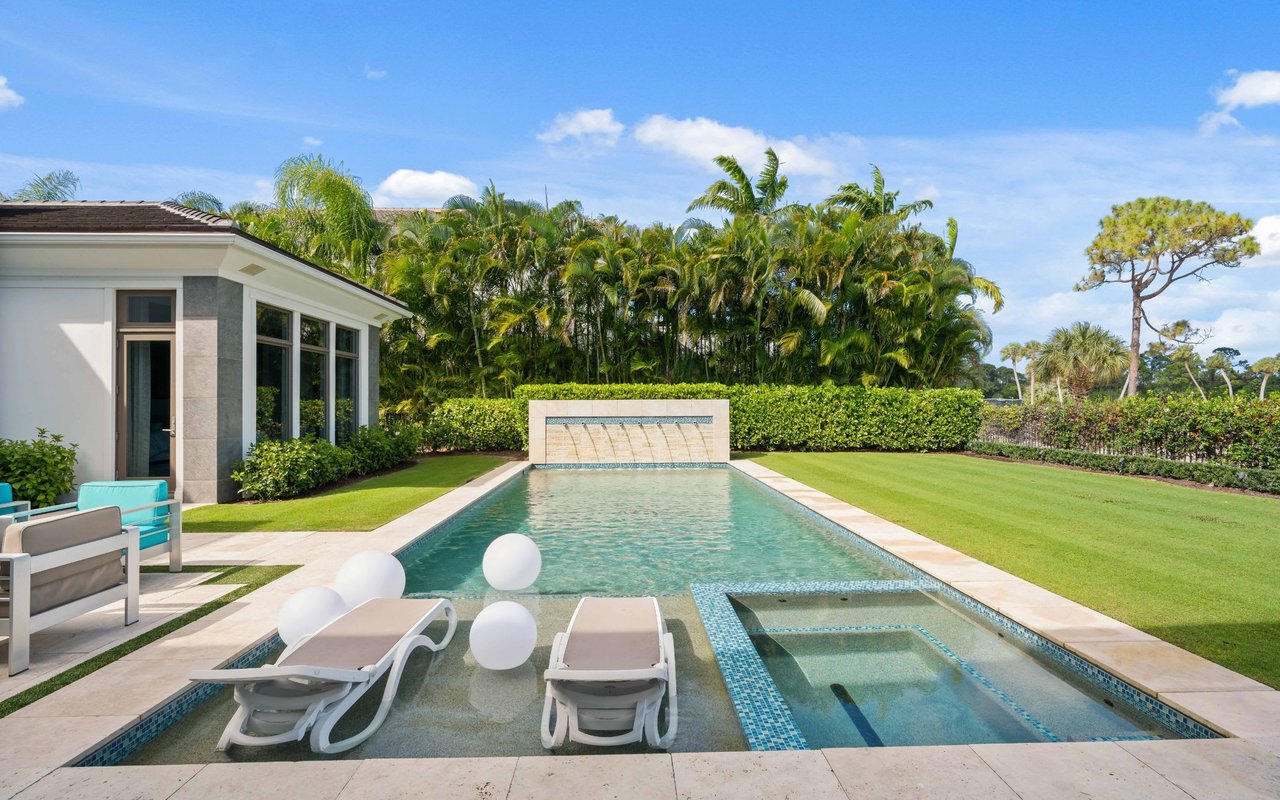
  • Keep the pool sparkling and equipment in good working order.
  • Run the HVAC to a comfortable temperature for showings and use dehumidifiers as needed.
  • Minimize any signs of moisture or musty odors. Buyers notice.
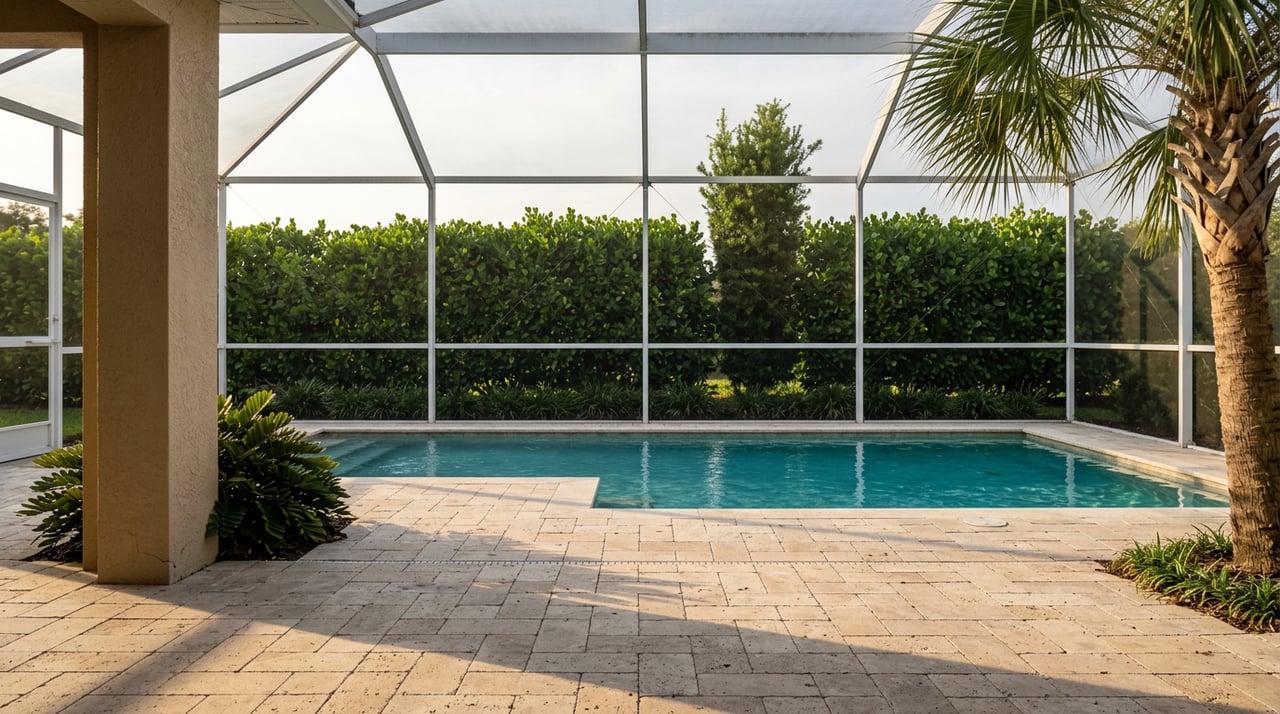
  • Highlight indoor‑outdoor living with clean patios, tidy lanais, and staged seating.
  • Share factual proximity to beaches, I‑95, and shopping to help buyers visualize daily life.
  • If you are near golf or club amenities, list membership options and fees clearly.

When should you list?

If you want the largest buyer pool and strong pricing power, target February through April. If your home appeals to seasonal residents, consider October through January. If your timeline points to summer, you can still win by tightening condition, aligning on price, and focusing on the motivated buyers who are active then.

No matter the month, your edge comes from preparation and a launch that matches local demand. A hyperlocal agent can pull fresh comps, track inventory shifts, and guide you through HOA timelines and weather considerations so you list with confidence and close smoothly.

Ready to plan your timing and pricing strategy for Palm Coast Plantation? Connect with Goodman Group Luxury Real Estate for a customized listing roadmap and to get your instant home valuation.

FAQs

What months typically see the most buyer activity in Palm Coast Plantation?

  • Late winter to spring, especially February through April, usually brings the strongest traffic, with a secondary uptick from October to January.

Is summer a bad time to list in Palm Coast Plantation?

  • Summer showings are slower due to heat and storm risk, but motivated local buyers and investors still shop. Strong condition, realistic pricing, and clear contingencies help you succeed.

How does hurricane season affect my listing timeline?

  • Peak risk is August to October. Complete roof and window work before then, keep HVAC serviced, and discuss hurricane contingency language with your agent before you launch.

What should I prepare before choosing a listing date?

  • Gather recent comps, inventory and days on market data, HOA and resale documents, and your Seller’s Property Disclosure. Consider a pre‑listing inspection to avoid surprises.

When should I list if I want families to consider my home?

  • List in late spring to early summer so buyers can close and move before the school year starts, which typically means settling in by late August.

Work With Goodman Group

My goal is to not only meet but exceed expectations, ensuring that each real estate journey is as rewarding and stress-free as possible. I am dedicated to providing top-notch service that goes above and beyond. Get in touch today to experience a seamless and fulfilling real estate journey.