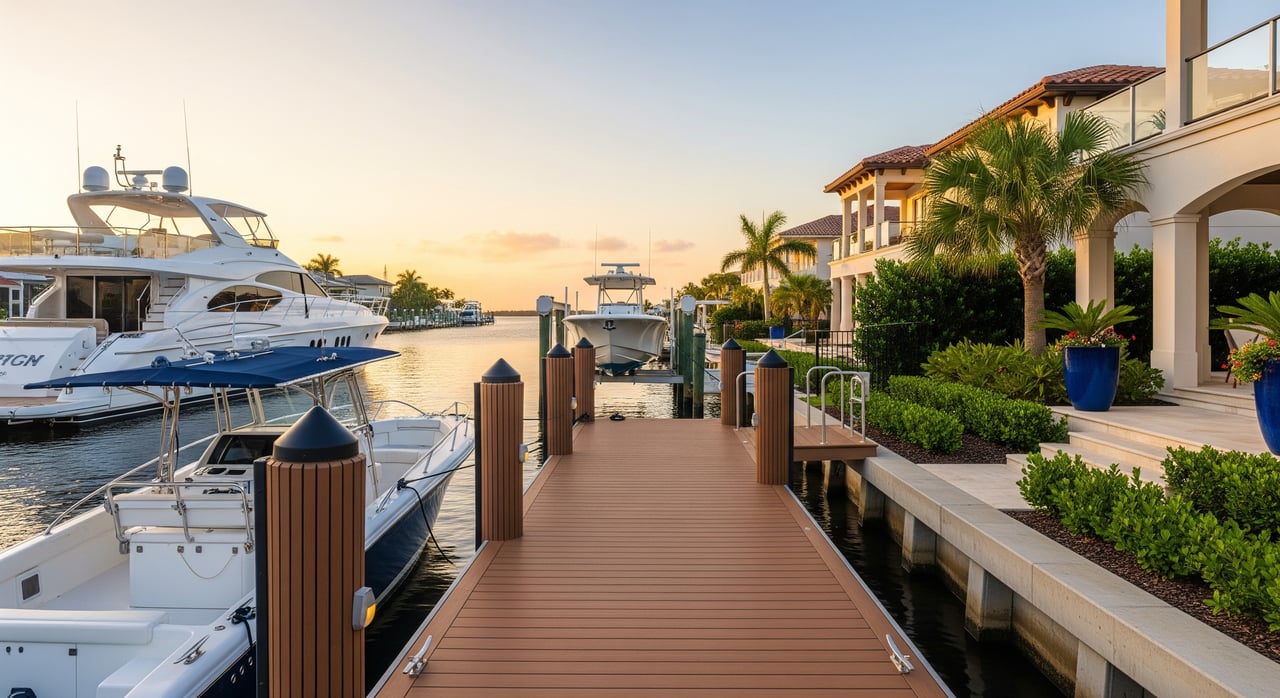
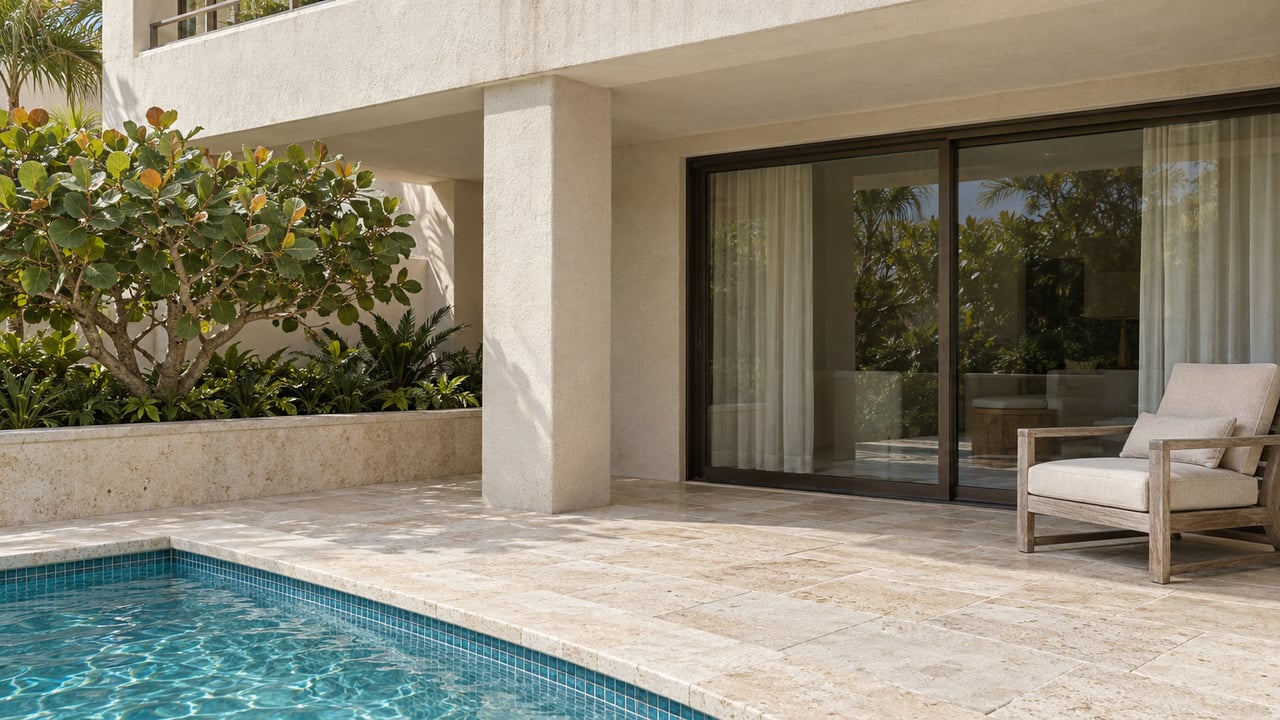
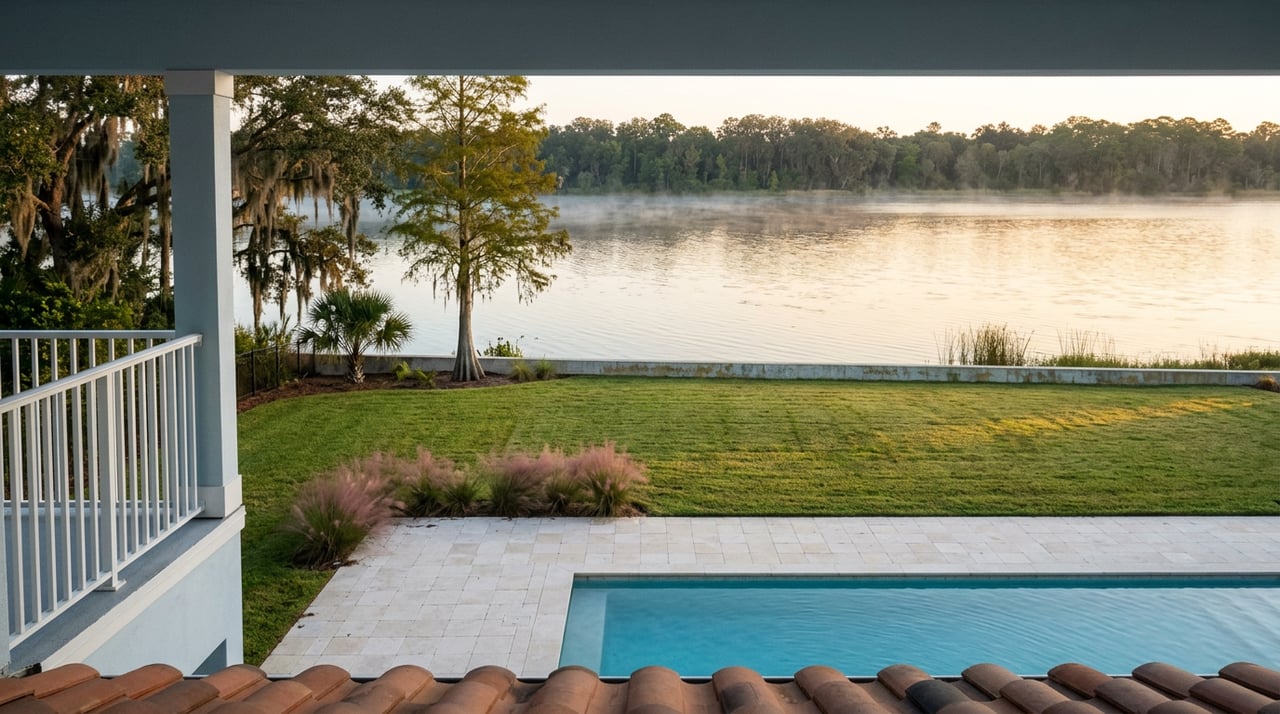
Do you picture stepping from your back porch onto your boat, coffee in hand and the Intracoastal just a few minutes away? If boating is part of your ideal Palm Coast lifestyle, the neighborhood you choose will shape everything from boat size to insurance costs. In this guide, you’ll learn how Palm Coast boating works, which community types fit different boaters, what to verify about docks and canals, and how to budget for maintenance and permits. Let’s dive in.
Palm Coast boating at a glance
Palm Coast sits between St. Augustine and Daytona Beach along Florida’s northeast Atlantic coast. Most boaters here use the Intracoastal Waterway for protected cruising and reach the ocean through nearby inlets. Many homes sit on canals that lead to tidal creeks and the ICW, which makes neighborhood selection critical.
Typical day trips include short runs to Flagler Beach, St. Augustine, and Daytona Beach. Longer cruises north or south are common, but you will plan around tides and weather. You’ll also find public ramps, marinas, and service yards in and around Flagler County. Availability and services vary, so it helps to know your options before you buy.
Neighborhood types for boaters
Palm Coast offers several waterfront settings, each with tradeoffs. Start by matching your boating style to the right category.
Gated ICW communities with marinas
Some gated communities offer private marinas or community docks. These can provide resident slips, guest docking, and a managed environment.
- Pros: Managed slips, community standards, potential amenities, and simplified maintenance.
- Consider: Membership rules, slip waitlists, depth from marina to the ICW, and whether fuel or pump-out is on site. Confirm docking rules for guests and renters.
Canal-front homes with private docks
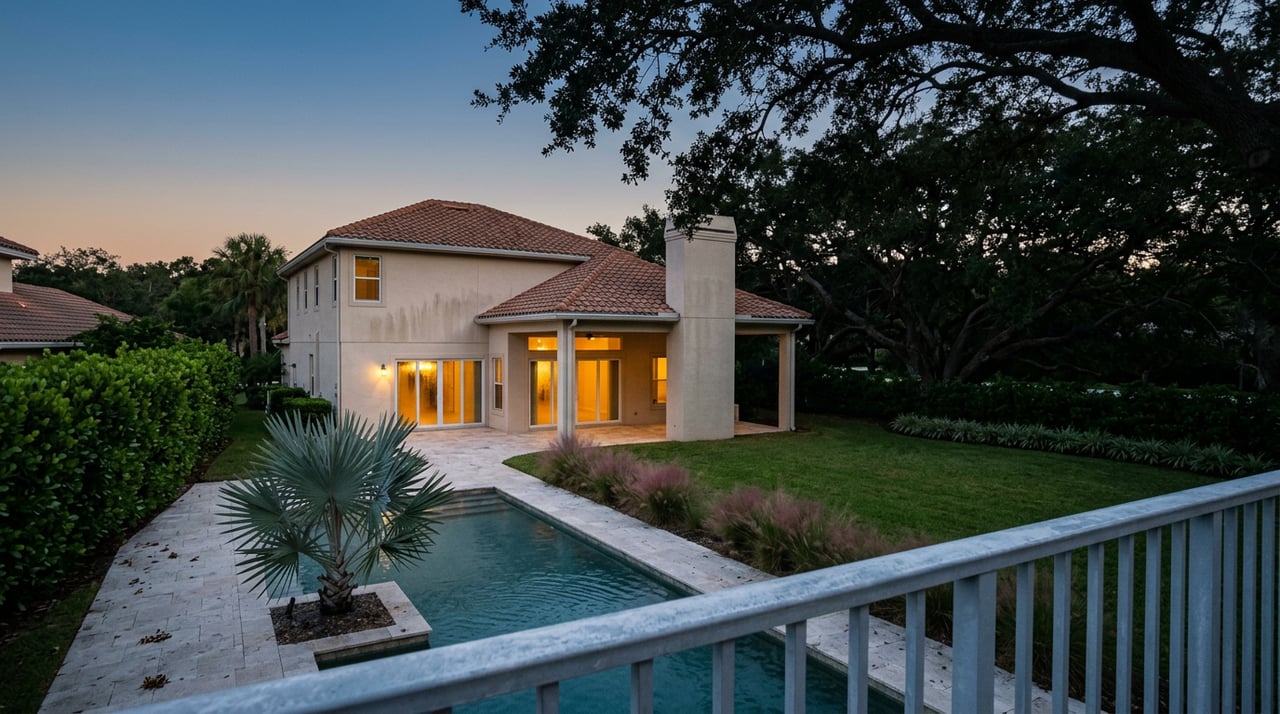
Many residential subdivisions feature manmade or natural canals that connect to larger tidal channels and the ICW.
- Pros: Keep your boat behind the house and cruise on your schedule.
- Consider: Canal depth and width, bridge and overhead clearances, dredging history, seawall condition, and any HOA design standards for docks and lifts.
River and estuary frontage
Homes fronting rivers or broad tidal creeks may have deeper water and fewer bridge constraints.
- Pros: Potentially better depth and quicker access for larger boats.
- Consider: Stronger currents, more exposure to wind and tide, and different environmental protections that can affect dock work.
Oceanfront properties
Oceanfront homes offer a spectacular setting, but you will rely on marinas for docking and storage.
- Pros: Direct beach access and views, coastal lifestyle appeal.
- Consider: You will likely keep your boat at a marina or on a trailer. Factor in slip or storage fees and drive time to your vessel.
Inland lakes and lagoons
Some communities feature lakes or enclosed lagoons that are not navigable to the ICW.
- Pros: Quiet water for kayaks, paddleboards, and small electric craft.
- Consider: No saltwater access. Make sure the experience matches your boating goals.
Key factors that determine boat fit
Buying on the water is not one-size-fits-all. A few technical details decide whether a home works for your boat.
Canal depth and width
Depth at mean low water and channel width control maximum draft and turning space. Some canals are shallow or have shoaling. Ask for measured soundings from the dock to the public channel and whether the canal has been dredged recently.
Overhead and bridge clearances
Air draft matters as much as water depth. Note any fixed bridges or overhead utilities between the property and the ICW. If you run a tower or hardtop, verify clearance at normal high tide.
Dock size, design, and condition
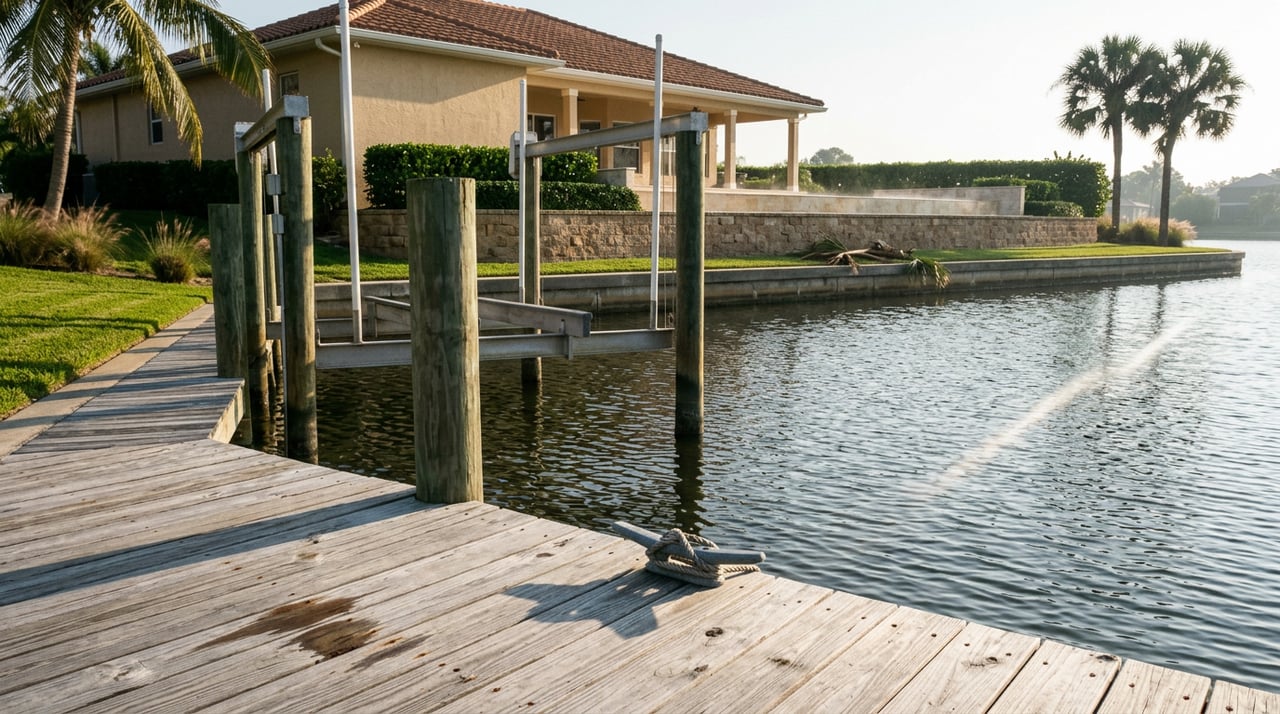
Confirm that the dock and any lift or bulkhead were permitted and built to code when installed. Review age, materials, fasteners, and maintenance records. Replacing a seawall or major dock components often involves city or county approval and sometimes state and federal permits.
Seawall ownership and maintenance
Who owns and maintains the seawall or bulkhead: the homeowner, an HOA, or an easement holder? Ownership affects ongoing costs and liability. Look for signs of tidal scour, wood pile degradation, shifting substrate, and any recent repair history.
Tides, no-wake zones, and traffic
Palm Coast canals and creeks have tidal windows and speed restrictions. If your canal is long or narrow, a no-wake zone can add time to every trip. Balance convenience with your typical cruising schedule.
Rules and permits to understand
Waterfront improvements usually require approvals beyond a standard building permit. Before you budget or plan changes, learn the local process.
- City of Palm Coast Building and Permitting handles docks, lifts, and shoreline work within city limits. Flagler County oversees areas outside city limits.
- Many projects in navigable waters require Florida Department of Environmental Protection authorization and U.S. Army Corps of Engineers review.
- FEMA Flood Insurance Rate Maps guide elevation and floodplain rules that can affect construction techniques and insurance.
- The Florida Fish and Wildlife Conservation Commission sets safety and boat registration rules and protects sensitive habitats like seagrass and oyster beds.
A good first step is to gather existing permits and as-built drawings from the seller and confirm them with the appropriate agency. If you plan a new dock or a major repair, start permit conversations early.
Costs beyond the purchase price
Waterfront ownership includes recurring expenses that shape your total cost of living.
- Dock, lift, and seawall maintenance: Expect periodic repairs to piles, decking, fasteners, and bulkheads.
- Dredging contributions: In some areas, owners or HOAs share dredging costs if shoaling occurs.
- Insurance: Flood insurance is commonly required by lenders and is recommended for most waterfront properties. Wind and hurricane deductibles may be higher.
- Marina or storage fees: If you use a commercial marina or dry stack, add slip rent, utilities, pump-out, and haul-out costs to your budget.
A practical buyer checklist
Use this step-by-step list when you tour and negotiate on a waterfront home.
Documents and disclosures
- Copies of dock, lift, and seawall permits plus any as-built drawings
- Recorded easements or riparian rights statements
- HOA covenants and dock design standards, including recent meeting minutes on boating topics
Physical and technical checks
- Recent boundary and improvement survey showing the dock, bulkhead, and mean high-water line
- Seawall inspection with age, material, and condition noted
- Measured depth from the dock to the public channel at mean low and mean high water
- Bridge clearance profile for the full route to the ICW
- Any known underwater obstructions or shoaling history
Financial obligations
- Slip ownership or rental model, transfer rules, and any waitlists if a community marina is involved
- Typical insurance premiums for flood and wind coverage
- Dredging assessments or special HOA assessments tied to waterways
- Ongoing marina or community dues related to boating facilities
Legal and regulatory
- Written confirmation that existing structures were permitted and meet current code
- Any previous environmental mitigation or restoration conditions on file
- Local ordinances restricting boat types, engines, or visible storage
Local boating ecosystem
- Proximity to public ramps, marinas, fuel, pump-outs, and marine service providers
- Community boating clubs or neighborhood dock committees and how they operate
How to match your boat to the right area
Every route to the ICW is a little different. Use these tips to narrow your search.
- If you run a deeper-draft boat or a vessel with significant air draft, focus on river or estuary frontage and canal systems with documented depth and few overhead limits.
- If convenience is king, look for canal-front homes with short, direct runs to the ICW and minimal no-wake zones.
- If you prefer managed infrastructure, target gated communities with resident marinas and known slip policies.
- If your boating is mostly kayaks and small electric boats, an inland lake community can deliver peaceful water at a lower maintenance cost.
Shopping strategy for Palm Coast boaters
Approach showings like a captain planning a passage. A little homework goes a long way.
- Pre-screen routes. Study satellite maps to see how canals connect to tidal creeks and the ICW. Note any fixed bridges.
- Bring a tide plan. Visit during lower tide if possible to observe depth at the most limited conditions.
- Verify, then verify again. Cross-check seller claims about depth, permits, and dredging with city or county records and any available HOA documents.
- Get bids. If you plan a new lift or dock repairs, obtain contractor estimates and ask about permit timelines.
- Align insurance and risk. Pull FEMA flood maps for the property and discuss wind and flood coverage with a knowledgeable insurer.
Selling a waterfront home to boaters
If you are selling, prepare a clean, transparent boating file for buyers.
- Gather all permits, as-builts, surveys, and maintenance records.
- Document canal depth, bridge clearance, and route notes at mean low water.
- Photograph the dock, lift, seawall, and any recent repairs.
- Clarify HOA rules, slip rights, and any assessments.
Clear documentation builds trust and can help your home stand out in a competitive waterfront market.
Why work with a local specialist
Palm Coast waterfront deals involve lifestyle, engineering, and permits. You want an advisor who can translate your boating needs into the right address. A boutique, high-touch approach means you get careful route analysis, document review, and introductions to vetted marine contractors, insurers, and inspectors. That combination saves time and reduces surprises after closing.
Ready to explore the best Palm Coast neighborhoods for your boating lifestyle? Connect with the team at Goodman Group Luxury Real Estate to plan showings, review route and depth considerations, and move forward with confidence.
FAQs
What should boaters know about Palm Coast canals?
- Canal depth, width, and overhead clearances control boat size and access. Verify measured depth at mean low water and check for bridge limits and shoaling history.
Do I need permits to build or modify a dock in Palm Coast?
- Yes. Dock, lift, and seawall work generally requires city or county permits, and many projects also need state and federal approvals. Start conversations early.
Who handles dredging if my canal shoals?
- Responsibility varies by location. It may fall to an HOA, affected homeowners, or a public entity. Review HOA documents and ask for historical dredging records.
How does flood zoning affect a waterfront purchase?
- Flood zone status influences construction requirements and insurance. Check FEMA Flood Insurance Rate Maps for Base Flood Elevation and discuss coverage with your insurer.
Can I keep a large boat behind a canal-front home?
- It depends on canal depth, width, dock length limits, and any bridge or utility clearances. Confirm specs for your specific route to the ICW before you buy.
Are there public boat ramps near Palm Coast neighborhoods?
- Yes. Flagler County and nearby municipalities operate public ramps and launches. Check current locations, parking rules, and conditions before you go.