On Ocean Hammock's Beach, October 31 Is Only A Shift Change
October 22, 2026
October 22, 2026
Flagler County defines sea turtle nesting season as "the period of May 1 through October 31 of each year," and after that date the rules written for nesting season no longer apply.
Eggs laid in late summer are still incubating after that date. By mid-November, the stretch of ocean off Ocean Hammock becomes part of the only known calving ground for North Atlantic right whales. Last winter, one of those mothers and her calf spent most of Valentine's Day swimming slowly past Jungle Hut Road. In practice, people are watching this beach for most of the year, and October 31 is when one crew hands off to the next.
Volunteers run the turtle season, and they divide the coast into sections. The Palm Coast Observer reported in July that the Flagler Turtle Patrol's roughly 75 volunteers split the county's beaches into three sections. North Beach runs from the south boundary of Washington Oaks State Park down to Jungle Hut Road. South Beach runs from Jungle Hut Road to Beverly Beach's north city limit. Flagler Beach/Beverly Beach covers the rest.
Everything north of Jungle Hut Road up to Washington Oaks belongs to the North Beach team. Its ATV crews log new crawls and false crawls, stake off confirmed nests, and send the data to Turtle Patrol leadership, who upload it to the Florida Fish and Wildlife Conservation Commission's database.
This year gave them plenty to log. As of July 2, 2026, turtles had laid 784 nests on Flagler County beaches, more than double the 2025 count for the same date, according to Turtle Patrol data cited by the Observer. North Beach had 193 of those nests and 77 false crawls. South Beach, starting just south of Jungle Hut Road, had 311 nests and 236 false crawls. In the same article, Turtle Patrol president Nicholas Poorte described the second wave, which explains why the beach is still busy this late in the season:
"Our greens are starting to come up now. We're getting about three to four green nests a day per beach, but the majority of our nests right now are still loggerheads."
Turtle eggs take about two months to incubate, and the Florida Fish and Wildlife Conservation Commission notes that hatchlings can keep emerging well into winter. Any nest laid in late summer can still have hatchlings heading for the water after the calendar says the season is over.
Andrew Koswaski, a Flagler Turtle Patrol volunteer, made this point in a Palm Coast Observer column on Oct. 14. He wrote that 193,012 nests had been recorded along the Florida coastline as of Sept. 30, compared with 169,452 last year, and that "as nesting winds down, there are more nests hatching out than being laid." He asked beachgoers to keep lights off the beach and to clear holes, sandcastles, beach chairs and umbrellas overnight, "even after nesting seasons ends."
For homes and condos facing the ocean, the specifics are in Flagler County Code Section 6.05.00. It applies within unincorporated Flagler County, from the Atlantic to the westerly edge of parcels along State Road A1A. County planning documents describe "the unincorporated Hammock area on the barrier island, north of Beverly Beach." For existing buildings, the ordinance covers beach-visible fixtures, decorative lighting, dune walkover lights, and ways to keep interior light off the sand, such as window tint, lamp placement and window coverings.
Furniture is the other half. The FWC's beach furniture guidance explains that chairs can block both nesting females and hatchlings. It recommends taking portable chairs off the beach overnight, and for heavy wooden chairs left out during nesting season, spacing them at least six feet apart in a single row. The Flagler Turtle Patrol gives residents shorter advice: keep the beach clean and flat, fill holes, move furniture at night, and turn off lights visible from the beach after dark.
The turtle season and the whale season nearly meet. Here is the handoff as the agencies and organizations behind each season define it:
| Date | What changes on and off this beach |
|---|---|
| Oct. 31 | Flagler County's defined nesting season ends |
| November and beyond | Late nests can still hatch, since incubation runs about two months |
| Nov. 14, 10 a.m. to 1 p.m. | Flagler Turtle Patrol's Turtle Trot Bar Crawl in Flagler Beach |
| Nov. 15 | NOAA's Southeast seasonal vessel speed zone takes effect |
| Mid-November | Right whale calving season begins, per NOAA |
| Mid-April | Calving season winds down; the speed zone ends April 15 |
| May 1 | Turtle nesting season begins again |
The Turtle Trot starts with postcard pickup at the Turtle Patrol's booth at the Flagler Beach Farmers Market. Participating stops include Funky Pelican, Finn's, Tortugas, Johnny D's, Barnhill's and A1A Distillery, among others. It's the last turtle-season event on the calendar and lands the day before the speed zone starts.
NOAA places the Southeast calving area in coastal waters from Cape Fear, North Carolina, to just south of Cape Canaveral, which takes in every foot of Flagler County's coast. The 2025–26 season was a strong one. NOAA's season summary counted 23 calves, the most in 17 years.
Several of those calves passed close to shore here. NOAA documented a whale named Ghost, catalog #1515, with her calf about half a mile off Flagler Beach on Jan. 30, 2026. Ghost is nearly 50, and this was her ninth known calf. WNDB reported a mother and calf along Flagler Beach in early January, with the mother believed to be Callosity Back, catalog #3760.
The most closely tracked local sighting came on Feb. 14. According to the Marineland Right Whale Project's sightings log, Boomerang, catalog #2503, and her calf were spotted around 8:30 a.m. near Jungle Hut Park. They moved south slowly enough that the team could follow them past Hammock Dunes and Varn Park, and they were seen again around 5 p.m. near Oceanside Condominium in Palm Coast.
Jungle Hut Road is also where the North Beach turtle crew's section ends.
The season's last calf turned up the same way. On March 14, a call to the right whale hotline from a beach walker set off a search that ended with the FWC confirming Mirror, catalog #4617, with the 23rd calf of the season. By evening the pair had moved past Marineland, reached the Surf Club by 6:50 p.m., and were near Bay Street in Palm Coast by 7:09 p.m. The log puts the first report near "Ocean Hammock Park in St. Augustine," a beach park in St. Johns County with a similar name. It isn't the Palm Coast community.
Most whale sightings on this coast start with a phone call from someone on shore. These are the published numbers:
Distance rules apply too. NOAA prohibits approaching or staying within 500 yards of a right whale, which is 1,500 feet. The rule covers boats, drones, kayaks, surfboards and jet skis. Anyone tempted to paddle out for a closer look needs to stay far back.
Boat owners have a separate date to note. Starting Nov. 15, most vessels 65 feet and longer must hold to 10 knots or less in NOAA's Southeast seasonal management area through April 15. Smaller boats are encouraged to slow down voluntarily. Proposed changes to that rule were withdrawn in January 2025, and the existing speed regulations stayed in effect. NOAA published an advance notice in March 2026 asking for input on possible updates. That's an early step, and it didn't change the current rule.
This post is general information about published rules, not legal advice. If you have questions about how the lighting ordinance or the vessel rules apply to your home or boat, check with the county, NOAA or a qualified professional.
From Saturday until mid-November, the beach off Ocean Hammock has late hatchlings and no whales yet, and it's the closest thing this stretch of coast has to a pause. After that, the next calls to 888-97-WHALE start coming in.
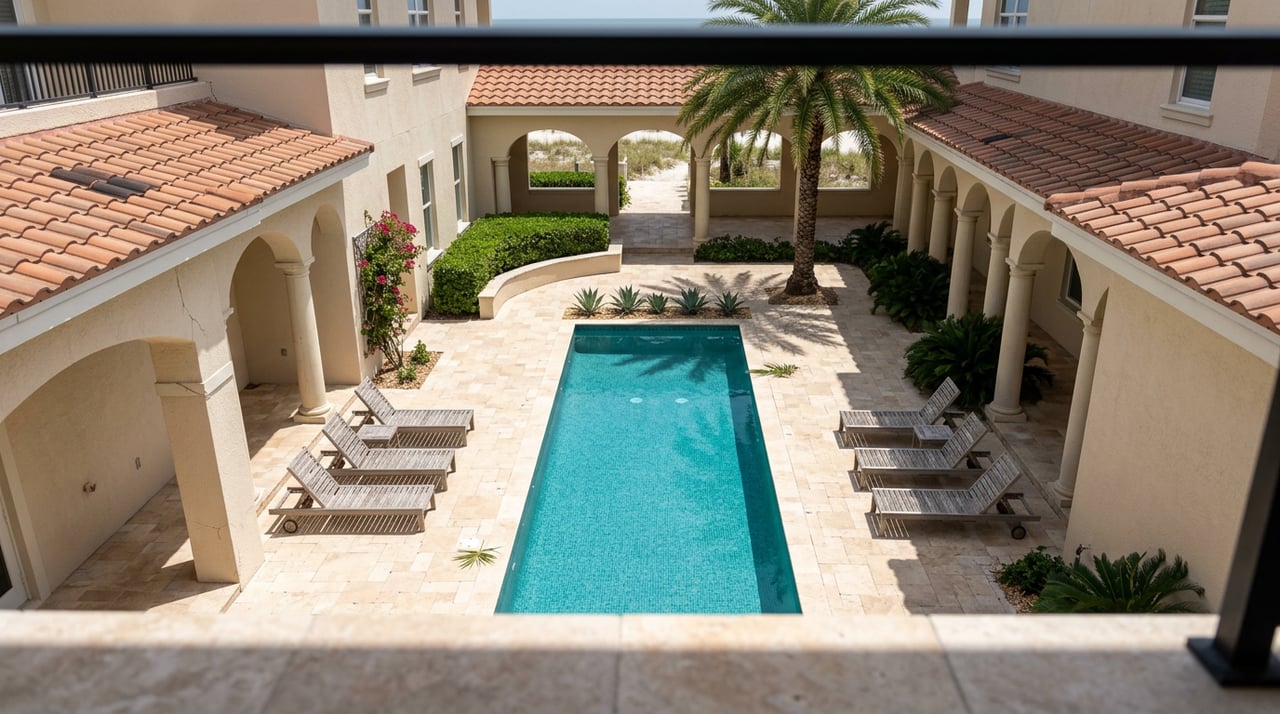
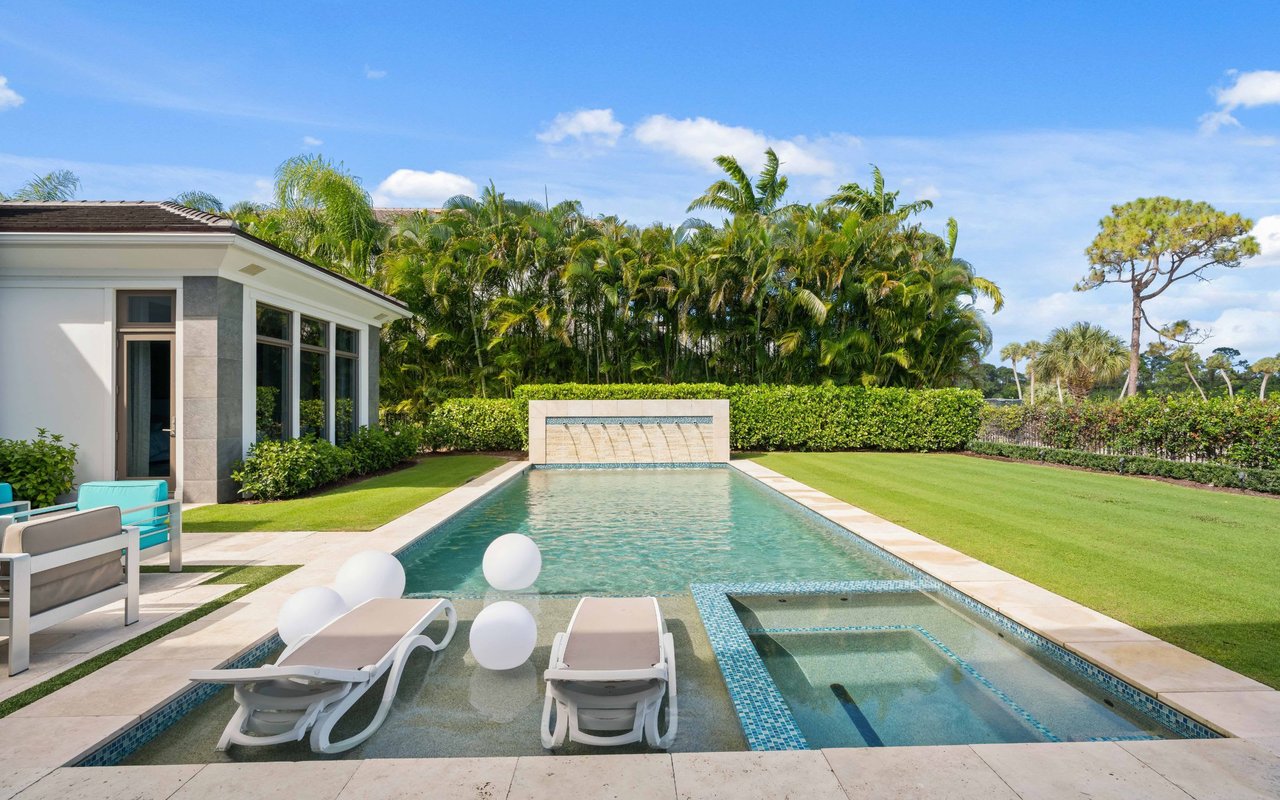
At Goodman Group Luxury Real Estate, Karla Goodman follows the oceanfront calendar along with the market, from the turtle patrol's busy summers to the winter whale sightings. If you own on this stretch of A1A and wonder how a year of ocean views like these shows up in your home's value, start with an instant home valuation and a conversation with Karla.
Stay up to date on the latest real estate trends.
My goal is to not only meet but exceed expectations, ensuring that each real estate journey is as rewarding and stress-free as possible. I am dedicated to providing top-notch service that goes above and beyond. Get in touch today to experience a seamless and fulfilling real estate journey.
4440 N Ocean Shore Blvd, Suite 101 Palm Coast, FL 32137